

Presented by The New Canaan Museum & Historical Society
Exhibition Dates: now through December 31, 2025
Location: 13 Oenoke Ridge Road, New Canaan
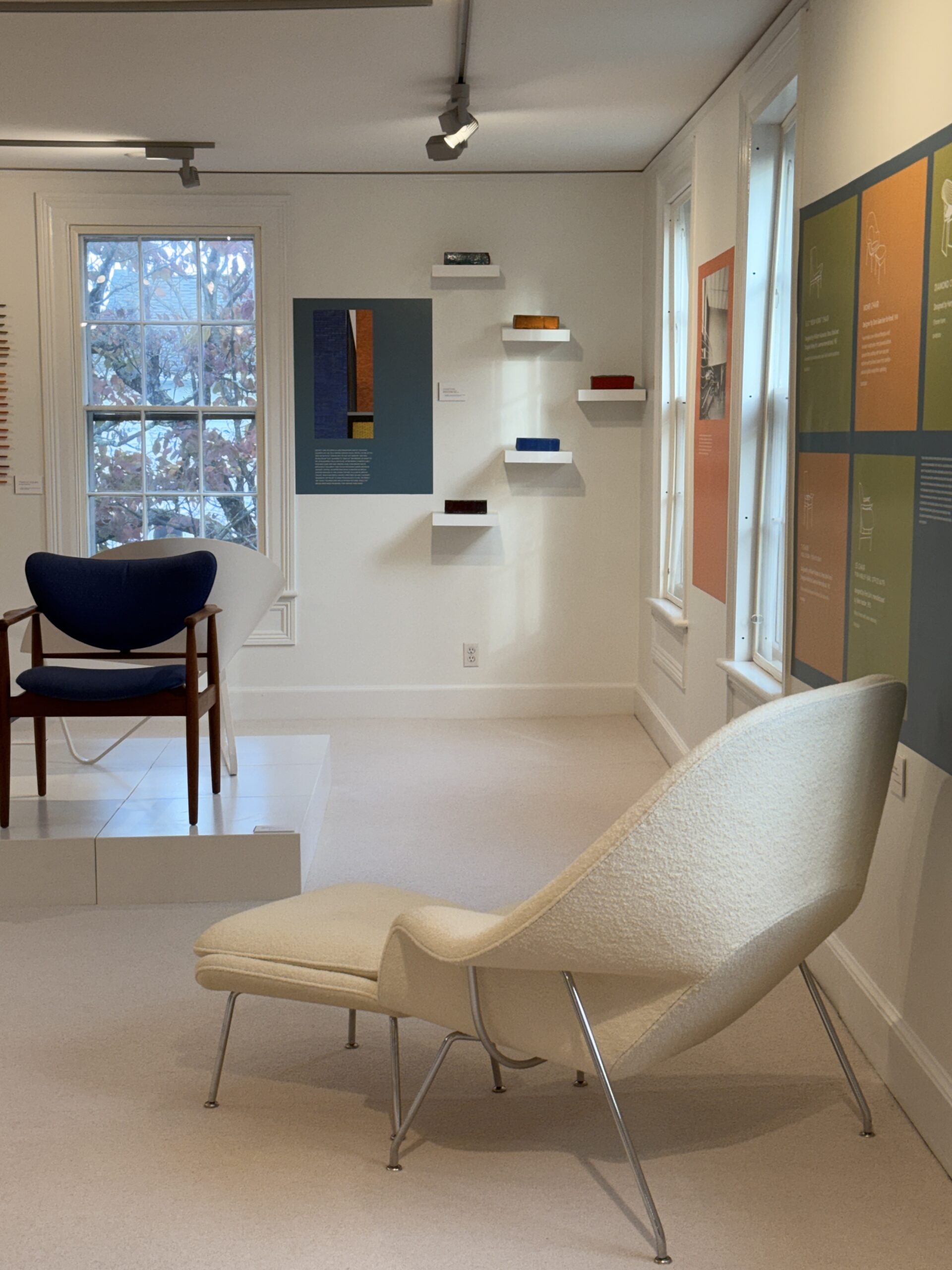
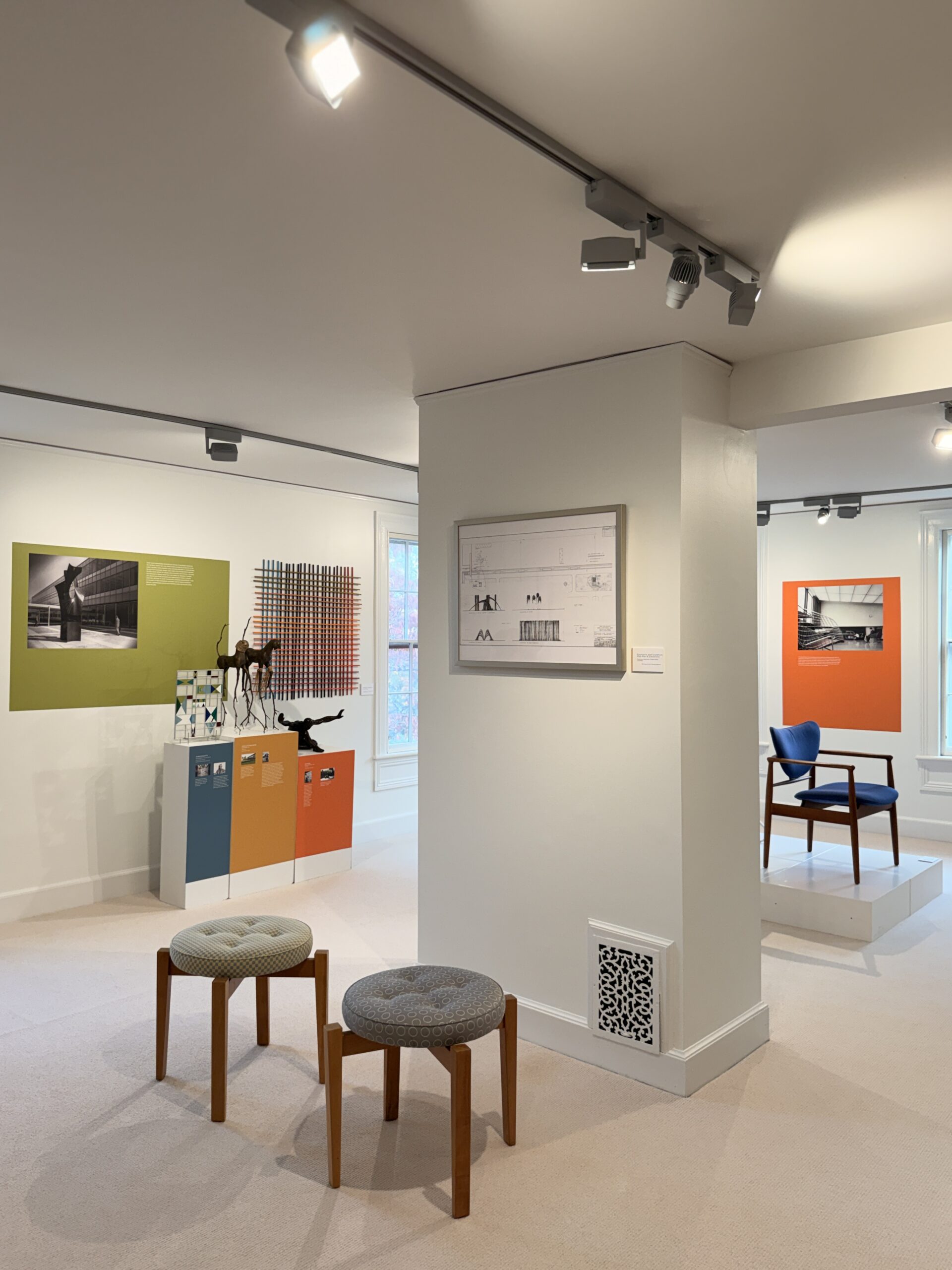
The New Canaan Museum & Historical Society is pleased to announce the opening of An American Versailles. The exhibition explores the General Motors Technical Center in Warren, Michigan, designed by celebrated architect Eero Saarinen. The exhibit, curated by GM’s Lead Curator and Archivist Natalie Morath, is the first time this material, which includes art, furniture, photographs, and video, has been shown beyond Detroit.
Eero Saarinen’s (1910–1961) first major architectural project was the GM Technical Center. Construction began in 1949, and the $125 million campus officially opened in May 1956 with an address by President Eisenhower. Saarinen wanted the center to be a symbol of future industrial design with buildings that were both beautiful and functional. With its steel-domed design building, the Technical Center campus was dubbed “The Industrial Versailles” by Life Magazine and “An American Versailles” by LOOK.
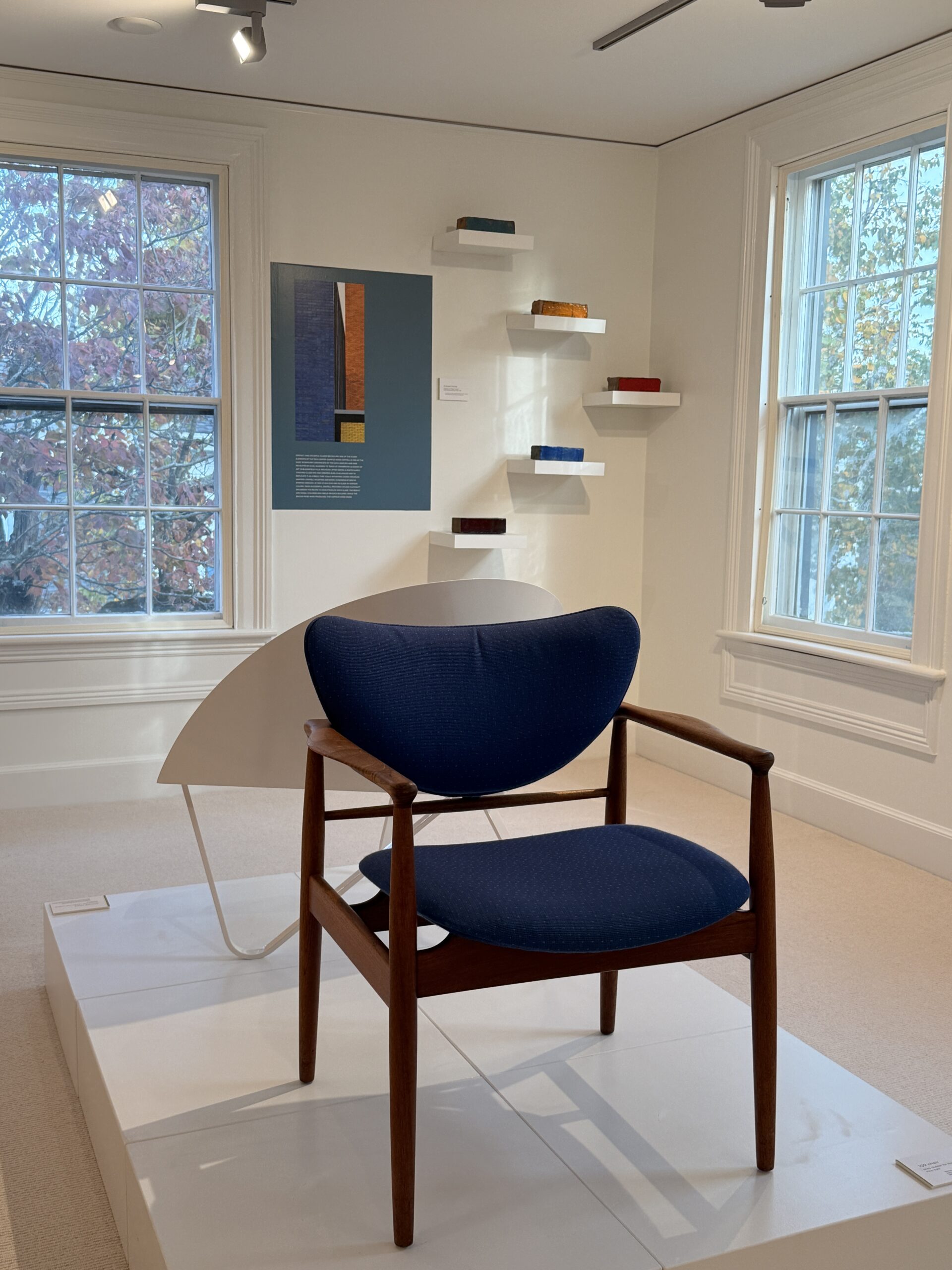
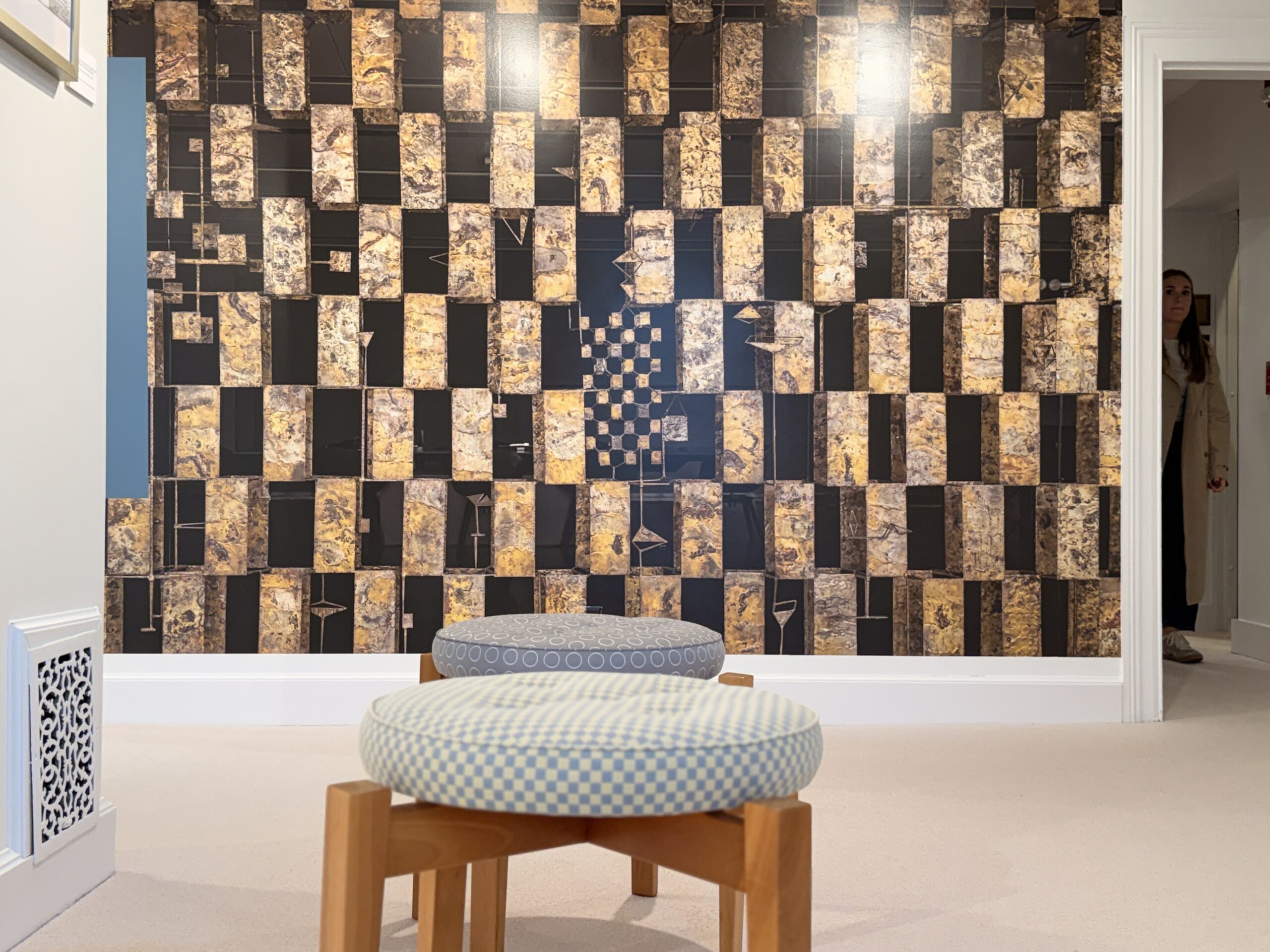
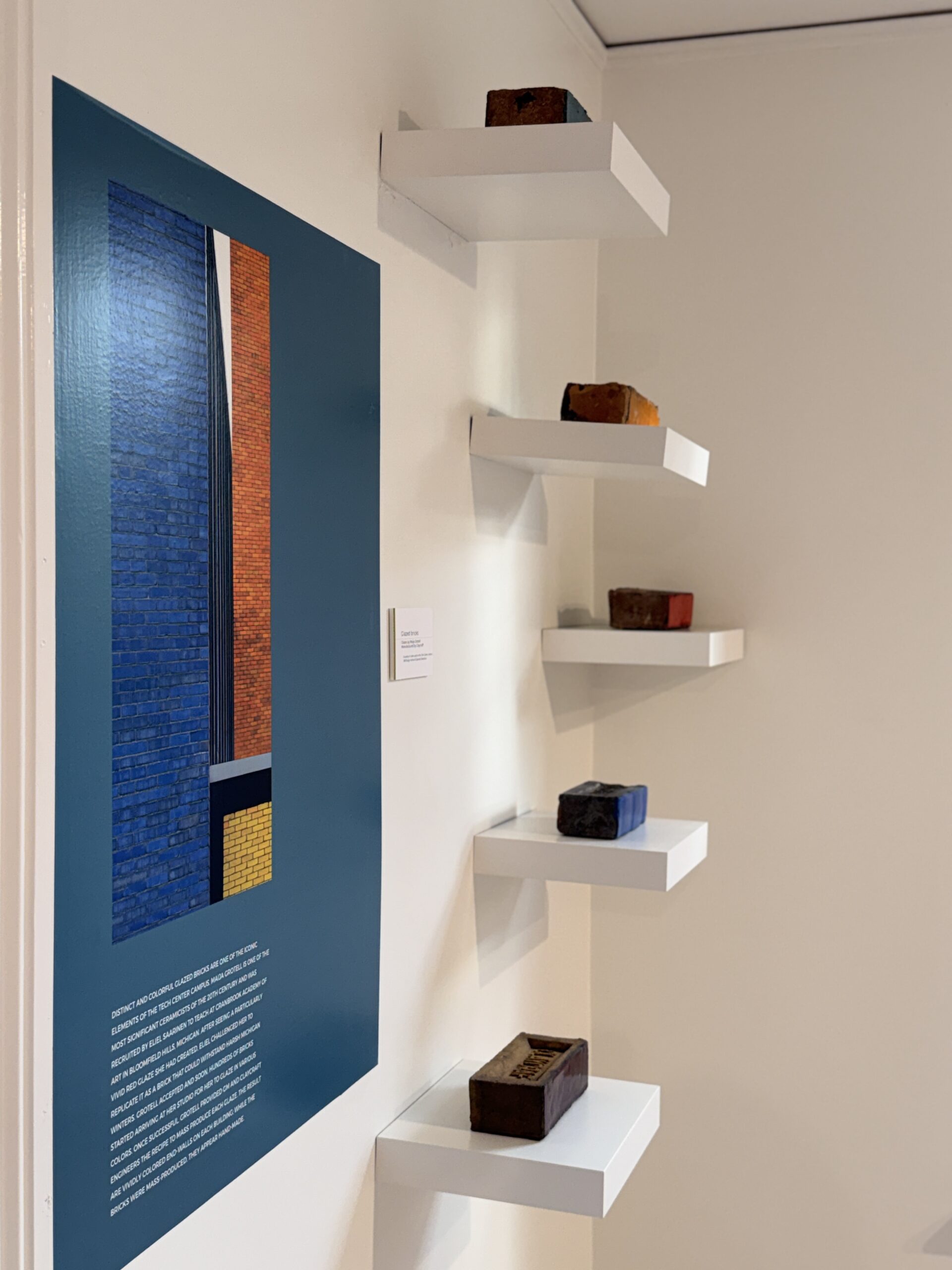
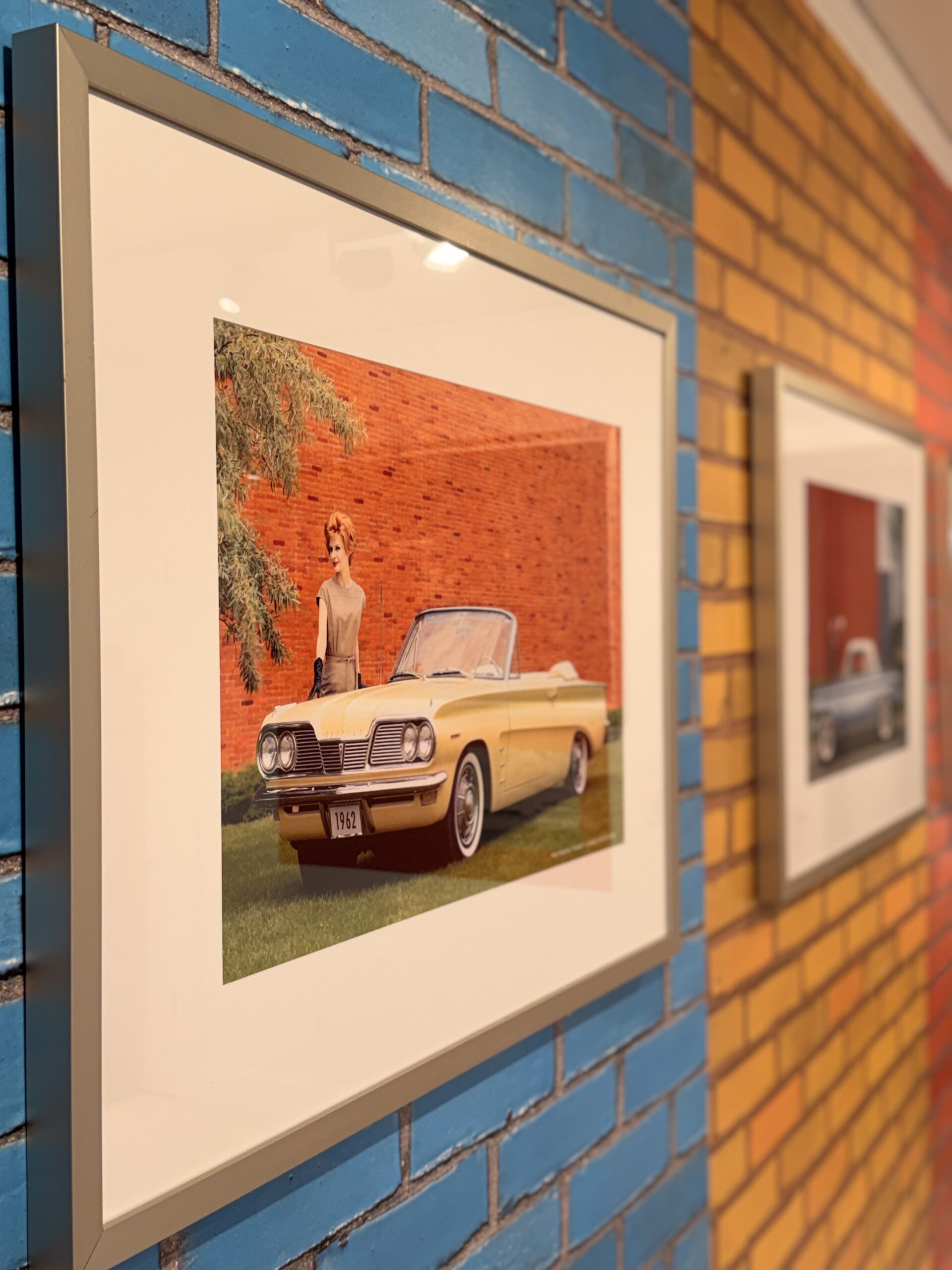
Saarinen convinced GM to fund a kiln to produce glazed bricks to “reflect the sun as autumnal leaves,” and commissioned sculptor Alexander Calder to create “Water Ballet” a fountain that features jets of water that rise, fall, and rotate in patterns, supplied by an enormous manmade lake in the center of the campus. The exhibition contains a replica of this brick wall, actual glazed bricks and video of the performing fountain in both daylight and darkness.
Saarinen’s work spanned many different areas of architectural practice, including the design of airports, corporate and academic campuses, churches and private residences and furniture. In 1948, his most famous project, the St. Louis arch (formally known as the Gateway Arch), was awarded first in a competition for design. At the time, the award was mistakenly addressed to his father, the architect Eliel Saarinen, who had entered the competition separately. This iconic arch—the gateway between the east and the west—would not be completed until 1965, four years after Eero’s death.
In addition to the General Motors Technical Center, his body of work includes such masterpieces as the sweeping concrete curves of the TWA Flight Terminal (1956–1962) at New York’s JFK Airport and the iconic Womb Chair and Ottoman (1946–1948), both classics of mid-century modernism.
Also on view at the Museum, in honor of Saarinen’s design of the TWA terminal, is a collection of TWA memorabilia, including flight attendant uniforms, luggage and accessories from the heyday of this now-defunct airline. For anyone old enough to have flown from this terminal, it is a reminder that today truly is tomorrow’s history.
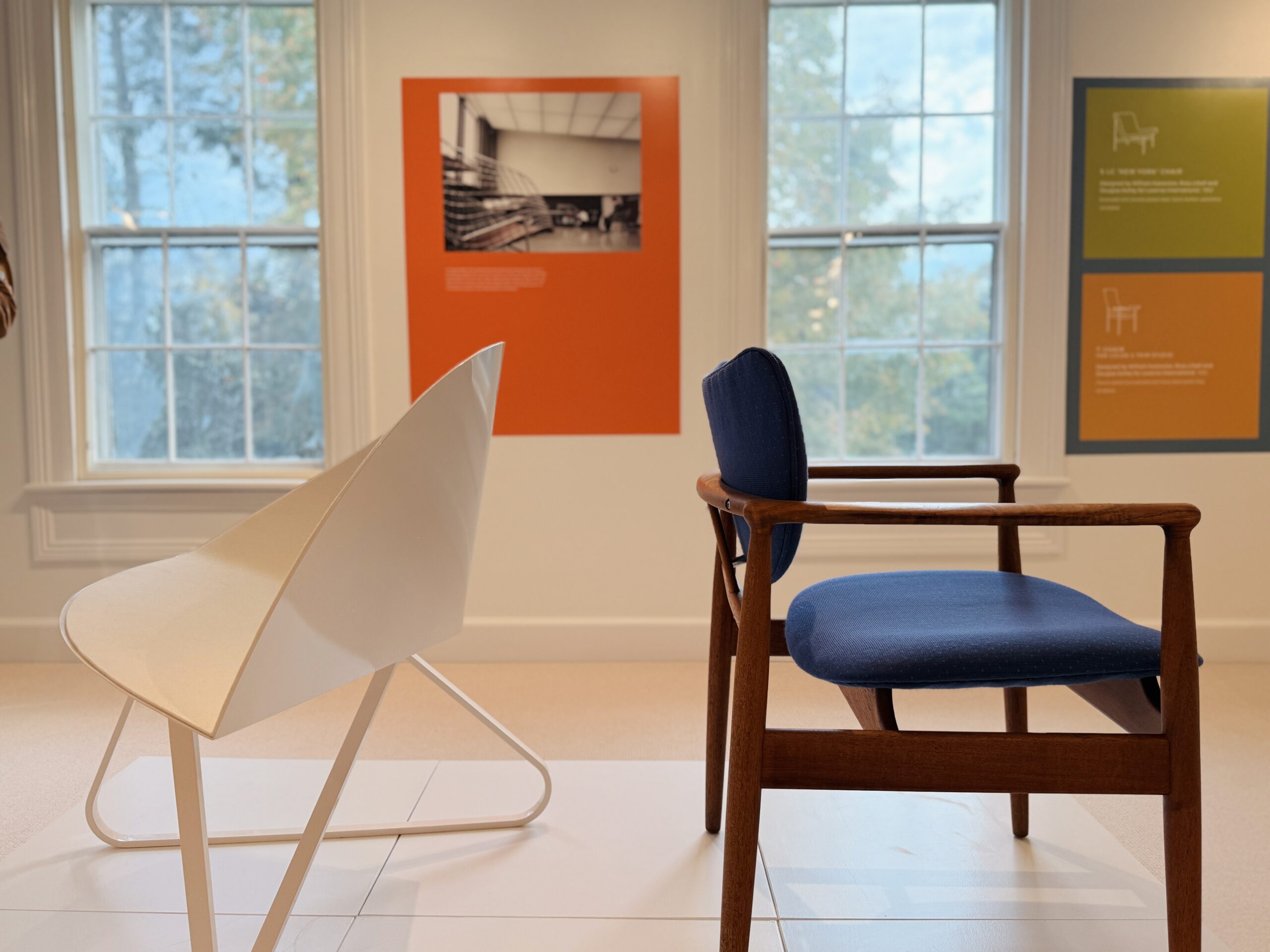
Saarinen’s career left its mark on the American landscape. Celebrated, unorthodox and sometimes controversial, he was in many ways the architect of what has been dubbed “the American century,” the post-World War II era when the United States emerged as an influential world superpower. His optimism and technical genius can be seen throughout this exhibition. Please visit nchistory.org for more information.