


From the White House briefing room to the 9 p.m. anchor desk, Kaitlan Collins has built a reputation for composure, precision and persistence. Now, as she takes the stage at Fairfield University, a campus brimming with the same curiosity and ambition that launched her own career, there’s a sense of a journey coming full-circle. You can feel the anticipation for a woman whose fearlessness has shaped some of the most memorable moments in recent political journalism.
Her visit to Fairfield University is part of the Quick Center’s Enduring Questions Series, where thinkers and changemakers are invited to wrestle with issues shaping public life. Collins’ lecture, Good Ethics for Bad News: The New Red Lines of Broadcast Journalism Today, comes at a moment when trust in the broader, mainstream media is being renegotiated in real time. For students and community members gathered on campus, it’s a chance to hear firsthand from a journalist who has covered the Biden and Trump presidencies up close, and has earned a reputation for engaging all sides of the political spectrum with clarity and fairness.
Now anchoring The Source at 9 p.m. on CNN and serving as the network’s chief White House correspondent, Collins brings to Fairfield a career defined by access, accuracy and the kind of tenacious reporting that has delivered headline-making interviews with global figures, from Hillary Clinton and JD Vance to Prime Minister Benjamin Netanyahu and President Volodymyr Zelenskyy. Her rise has not gone unnoticed: She’s been featured on the TIME100 Next list, named repeatedly among Mediaite’s most influential journalists, and highlighted by Variety as one of New York’s emerging power voices.
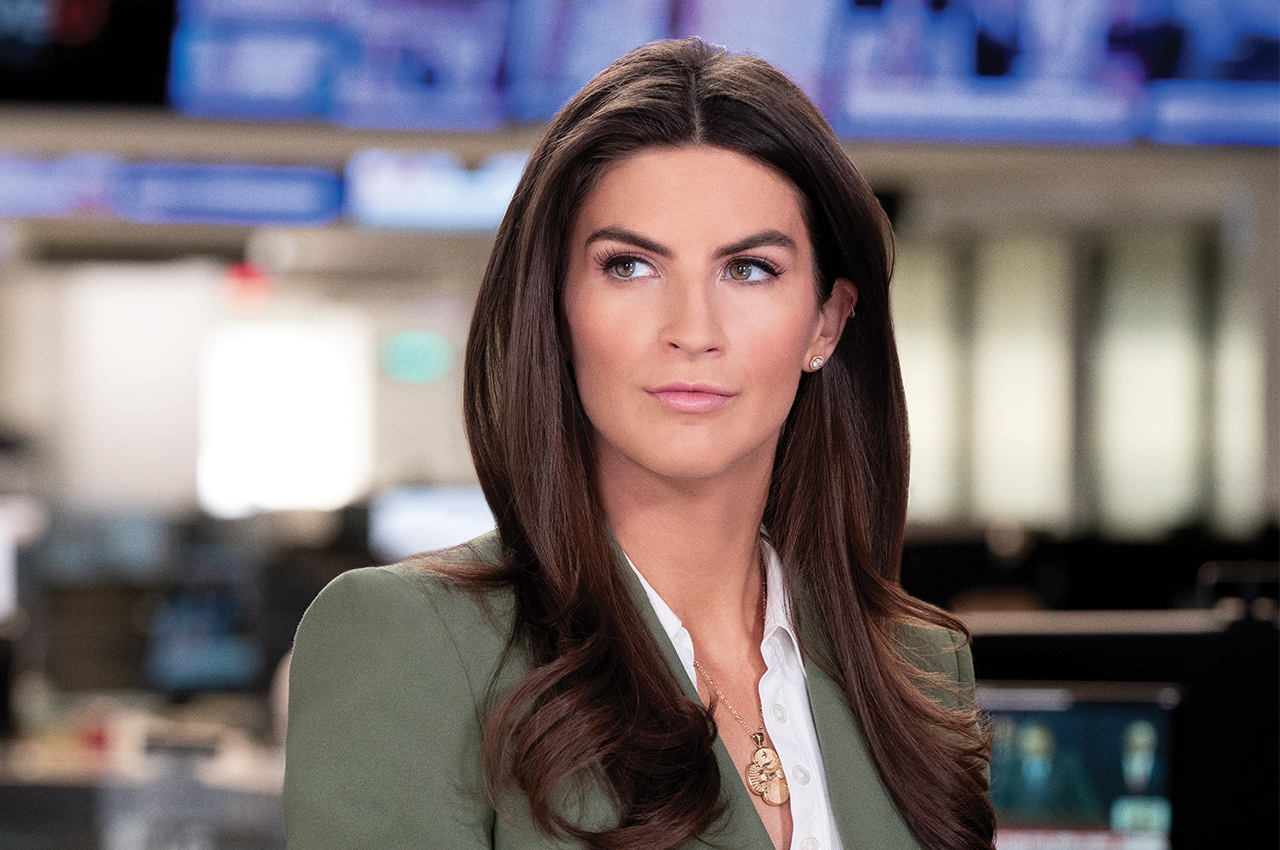
Kaitlan Collins, appearing at the Quick Center January 25, has covered the news at CNN since 2017.
For Fairfield Univeristy students, many just beginning to imagine their own paths in media, politics or public life, Collins’ appearance is more than a lecture: it’s a rare glimpse into the ethical fault lines shaping journalism today, and a chance to learn from someone who navigates them nightly, live and in real time.
Collins’ journey began far from Washington, in Alabama, where she grew up in a close-knit family and attended the University of Alabama. Journalism was not her predetermined path, but curiosity was. She’s often spoken about discovering political reporting not as a childhood dream but as a calling that emerged gradually, rooted in the desire to understand power, ask sharper questions and tell stories responsibly. It’s a message that resonates on a campus like Fairfield University, where so many students are still figuring out what sparks them.
Her first job, at The Daily Caller, placed her in the frenetic early days of the 2016 election cycle. Those who know her work now might be surprised to remember how quickly things accelerated. After a 2017 meeting with then–CNN President Jeff Zucker, Collins made the jump from a lean digital newsroom to one of the largest platforms in global media. It was a moment that would have daunted even seasoned reporters; CNN at that time was operating in what many call one of the most chaotic, defining periods in modern political reporting. For Collins, it became a proving ground.
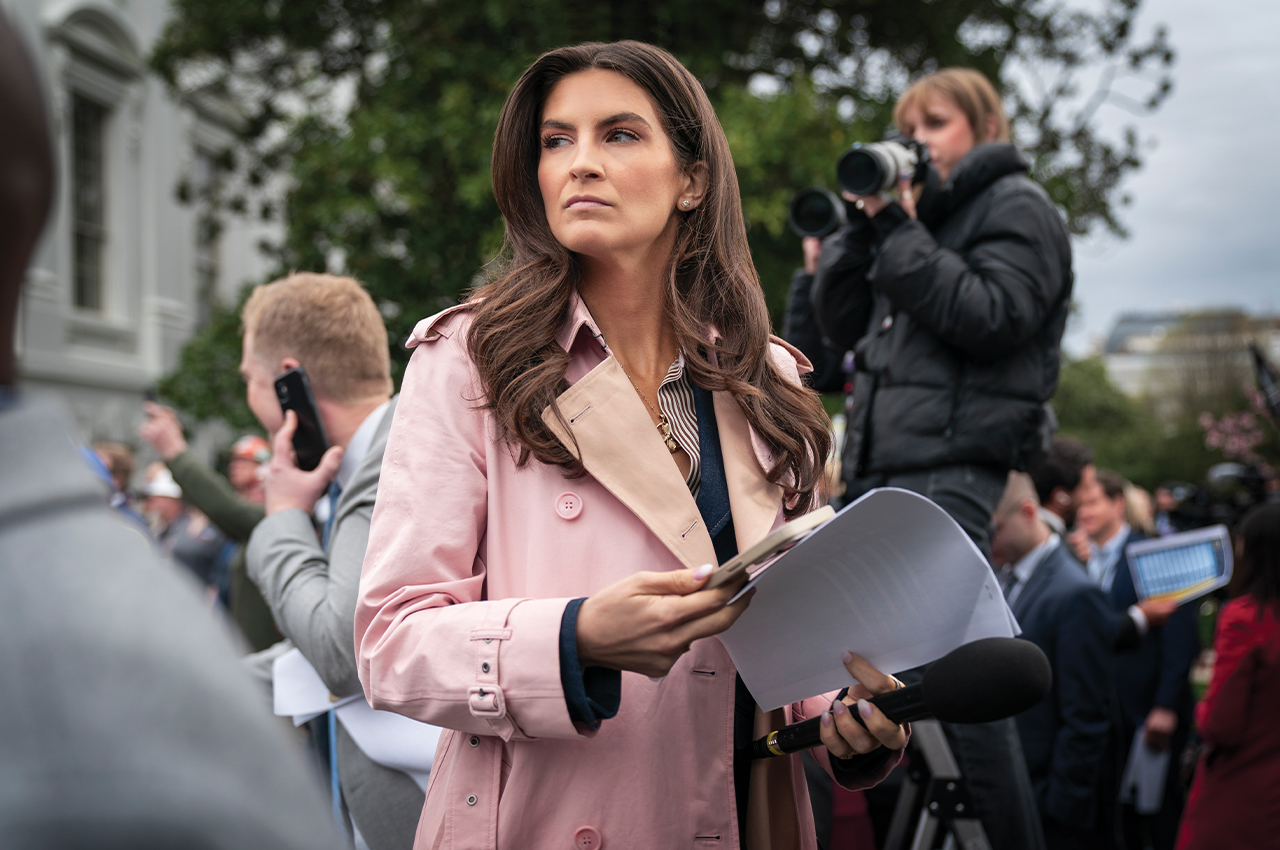
Her early months at CNN were famously intense. She entered a crowded field of veteran White House correspondents, people who had covered multiple administrations, weathered scandals and survived more than a few 3 a.m. call times. Yet Collins distinguished herself quickly. Her questions were concise, her delivery calm, and her determination unmistakable. Students watching her today may not realize that those moments were earned the hard way: long hours, steep learning curves and the kind of sink-or-swim culture that supplies the unofficial syllabus of every major newsroom.
By 2022, at just 30, Collins was named CNN’s chief White House correspondent, making history as one of the youngest journalists ever to hold that role at a major network. It was more than a promotion; it was recognition of how deftly she could balance speed and accuracy, urgency and restraint. She became known for her ability to hold powerful figures to account without theatrics, pressing when the moment demanded it, stepping back when it served the story.
There were moments, of course, when the story pressed back. In 2018, after a forceful line of questioning, Collins was barred from a White House event—a rare, highly public attempt to silence a reporter. Instead, the incident elevated her profile and underscored her commitment to objectivity. She became a symbol of the modern journalist: navigating not only the facts but also the politics of being on camera, in an era when social media can turn any exchange into a viral litmus test for truth.
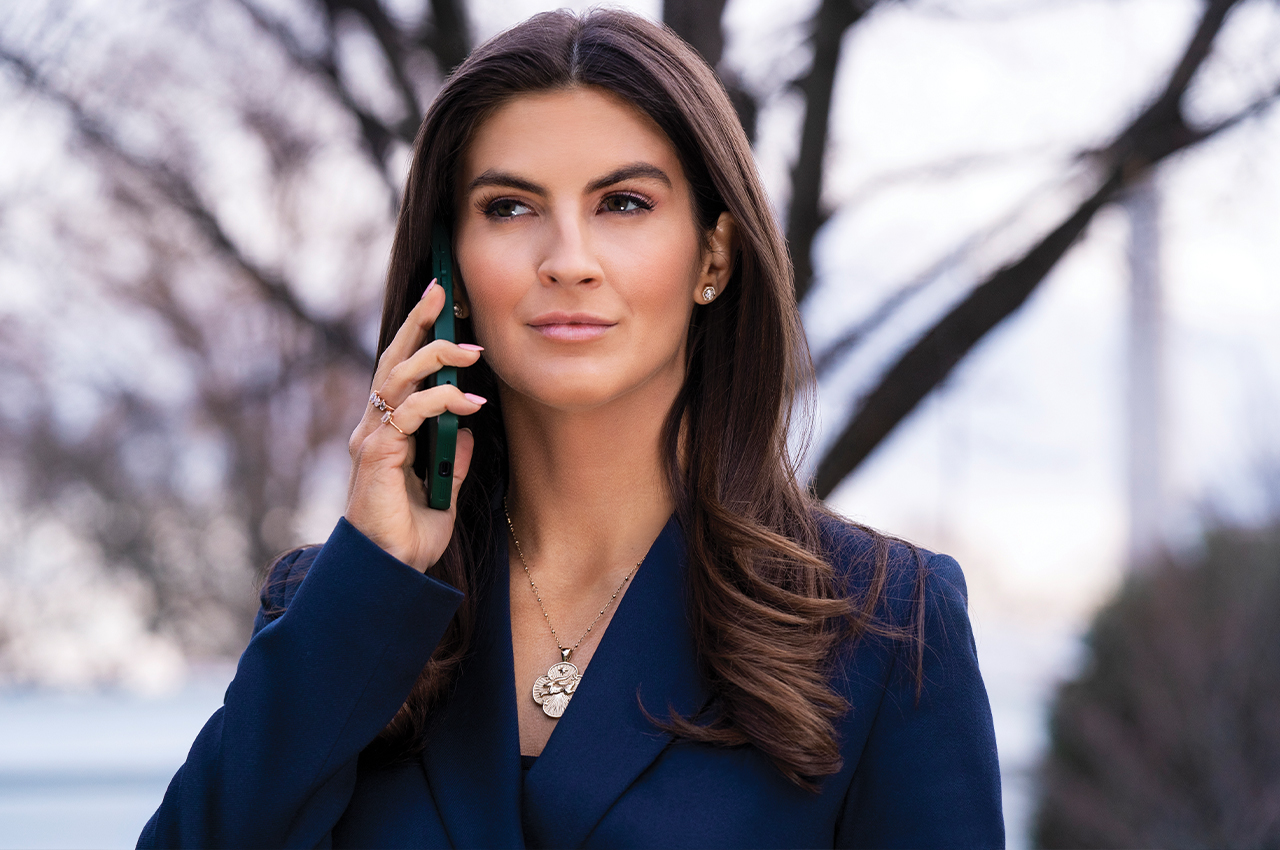
Her interviewing philosophy has evolved alongside her career. Now anchoring CNN’s 9 p.m. hour, The Source, Collins blends reporter’s instincts with a new kind of editorial leadership. The desk is no less demanding than the briefing room. Anchoring requires agility, moving from international crises to local stories that deserve national oxygen, deciding what the country needs to know and when it needs to hear it. It also demands emotional stamina. High-stakes political interviews aren’t just about what to ask, but how to prepare mentally for what the answers, or non-answers, might reveal.
In a time when trust in traditional media is under constant scrutiny, Collins embodies the rigor required to keep journalism credible. She knows the damage misinformation can do, and she understands the responsibility of meeting audiences where they are—on television, on social media, and increasingly, in fragmented digital spaces where nuance is often lost. Her approach is grounded in something deceptively simple: clarity, context and accountability.
At Fairfield Univerity, Collins will address what people really want to know: How do you break in? How do you earn respect? How do you find your voice when so many people tell you you’re too young, too untested, too… something? She herself has displayed that confidence grows from preparation. That curiosity is a strength. That women in journalism sometimes have to claim space before anyone offers it. And that the best questions, the ones that matter, are the ones asked without fear of the answer.
Collins’ career, still remarkably young, has spanned turbulent administrations, historic hearings, global crises and more than a few viral exchanges. Yet in person, she radiates something less dramatic and far more instructive: steadiness.
Her story is a blueprint for aspiring journalists in a rapidly shifting landscape. The message she brings to Fairfield University is not about being fearless, but about being ready. Ready to learn, ready to adapt, ready to hold the line. Ready to ask the next question, even when the room is watching.
Because if there is one thread running through Kaitlan Collins’ journey, it is this: every breakthrough began with a question. And every step of the way, she kept asking.
Kaitlan Collins
“Good Ethics for Bad News:
The New Red Lines of Broadcast Journalism Today”
Sunday, January 25, 2026 3:00 p.m. ET
Philip I. Eliasoph Open VISIONS Forum
Regina A. Quick Center for the Arts
$35 | $5 Fairfield University student
$25 Quick Member