







The Case for Teaching Focus and Presence
by Beth Coyne, Head of School, Lauralton Hall
I recently came across a concept called “single tasking,” the practice of giving your complete, undivided attention to one thing at a time. The idea seems almost radical in a world that rewards busyness and praises those who can juggle 10 tasks. But the research is clear: When we try to do two things at once, we rarely do either well.
It made me wonder: Are we teaching this skill to students?
With information and entertainment always within reach, just a search or scroll away, the ability to focus has become one of the most valuable and underrated skills a young person can develop. I want our students to experience the deep satisfaction of devoting themselves fully to one thing, training their minds to focus, and building the self-discipline needed to succeed as students, athletes, and friends.
WHAT HAPPENS WHEN WE PUT THE PHONES DOWN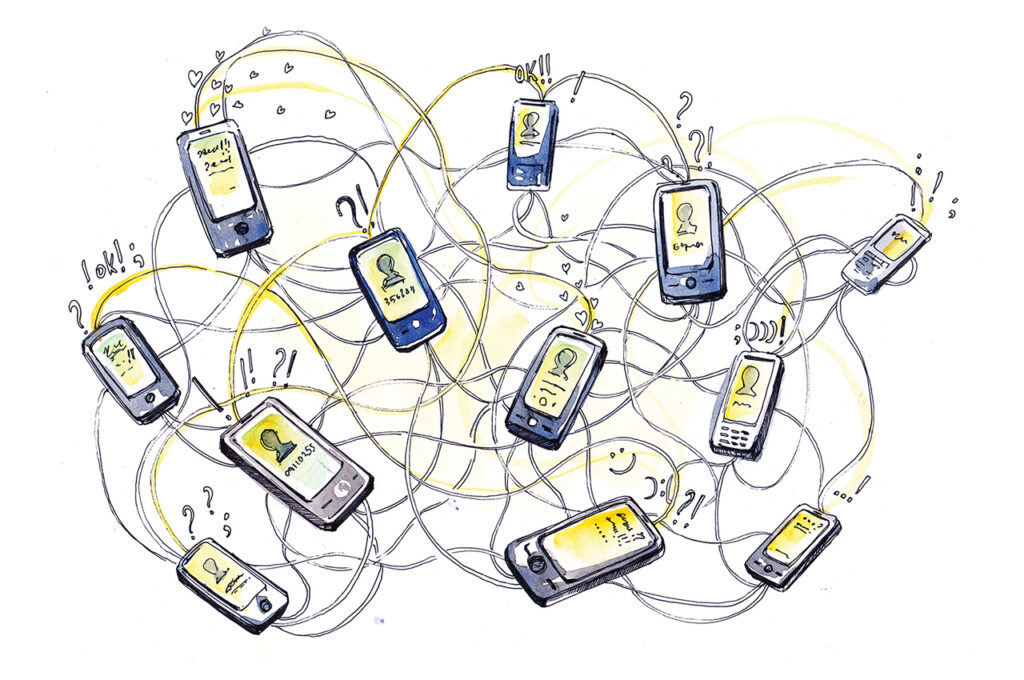
At the end of February, I had the pleasure of attending a student retreat, and one of the very first instructions we received was simple: Leave your phones at home and fully engage in the experience.
What a gift that turned out to be.
In the dining room at breakfast, lunch, and dinner, groups of students sat together talking face to face, eyes bright, smiles wide, fully present with one another. That simple act, being here, now, with the people in front of you, became a defining element of the experience. By the end of the retreat, the students left with stronger bonds, deeper connections, and a renewed sense of what it feels like to truly belong.
It was a reminder of something we can easily forget—presence is a practice. And it is one our students can learn.
THE REAL COST OF DISTRACTION
Think about your son or daughter sitting down to do homework. Phone nearby. Notifications on. Entertainment available at their fingertips. Now imagine the same assignment completed with total focus, screens off, the phone in another room, full attention on the work in front of them.
The difference is not just efficiency. It is depth of attention, thought, and retention.
I know this from my own experience. When I am writing and an email notification pops up, I often lose my train of thought. Sometimes I pause to respond, and the work that could have taken 20 minutes stretches to an hour. Fractured attention produces fractured results, for adults and teenagers alike.
Researchers call this attention residue, the mental cost of switching between tasks. Even briefly checking a phone between studying leaves cognitive traces that slow thinking, reduce comprehension, and increase errors. For students navigating complex coursework, the stakes are real.
HOW WE TEACH FOCUS IN SCHOOL
We can work intentionally to help students develop what I call the “quiet skill,” the ability to settle the mind, resist distraction, and bring their full selves to the task at hand.
At our school, we approach this through experiences that build both mental and physical discipline, and by giving students structured opportunities to practice presence.
Recently, our seniors were invited to participate in a yoga experience designed to build both physical and mental strength, practicing focus, breath, and presence in real time. Through our Mercy grounded religion program, we also explore how contemplative practice and inner peace can steady a student during periods of stress, transition, and uncertainty.
This is what it means to educate the whole student. Academic rigor matters enormously here. But so does the capacity to be fully present, as a student, an athlete, a friend, and eventually a leader.
WHAT PARENTS CAN DO AT HOME
Here’s the good news: Single tasking is a skill that can be practiced anywhere, including at home. Here are a few places to start.
CREATE PHONE-FREE ZONES
Designate mealtimes, homework blocks, or even a corner of the home as phone-free. Model it yourself.
NAME THE PRACTICE
When your child sits down to study, invite them to single task it, one subject, one window, one goal. Give it a name and make it feel intentional.
TALK ABOUT PRESENCE
Ask your child what they noticed when they were truly present in a conversation, a practice, or a focused moment. Help them connect to how they actually feel, calmer, more capable, and more connected.
THE GIFT OF FULL ATTENTION
We all multitask. It is part of modern life, and it is not going away. But perhaps the greatest gift we can give young people is helping them recognize when to put multitasking aside and give something, or someone, their full, undivided attention.
In doing so, they may find themselves more centered, more confident, and more successful, not just as students, but as the thoughtful, present, and capable young people they are becoming.
That is the kind of preparation that lasts well beyond school.
« Education Guide