


PORTRAITS BY KATHARINE CALDERWOOD
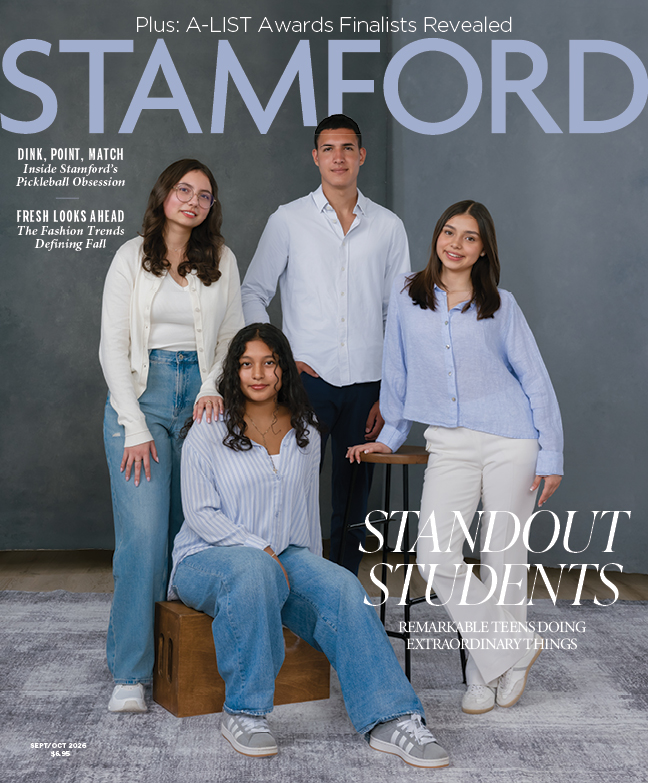
FORGET THE STEREOTYPES. Today’s teens aren’t waiting for adulthood to make a difference—they’re leading with clarity, creativity and conscience right now. In Stamford, these young leaders are coding cleaner futures, researching lifesaving breakthroughs, amplifying unheard voices and mentoring the next generation. They navigate complexity with grace, resilience and relentless curiosity—balancing late-night studying with early-morning swim practices, or scientific discoveries with classical dance. WHAT UNITES THEM ISN’T JUST AMBITION-IT’S CARE. For each other, for their communities and for the world they’re inheriting.
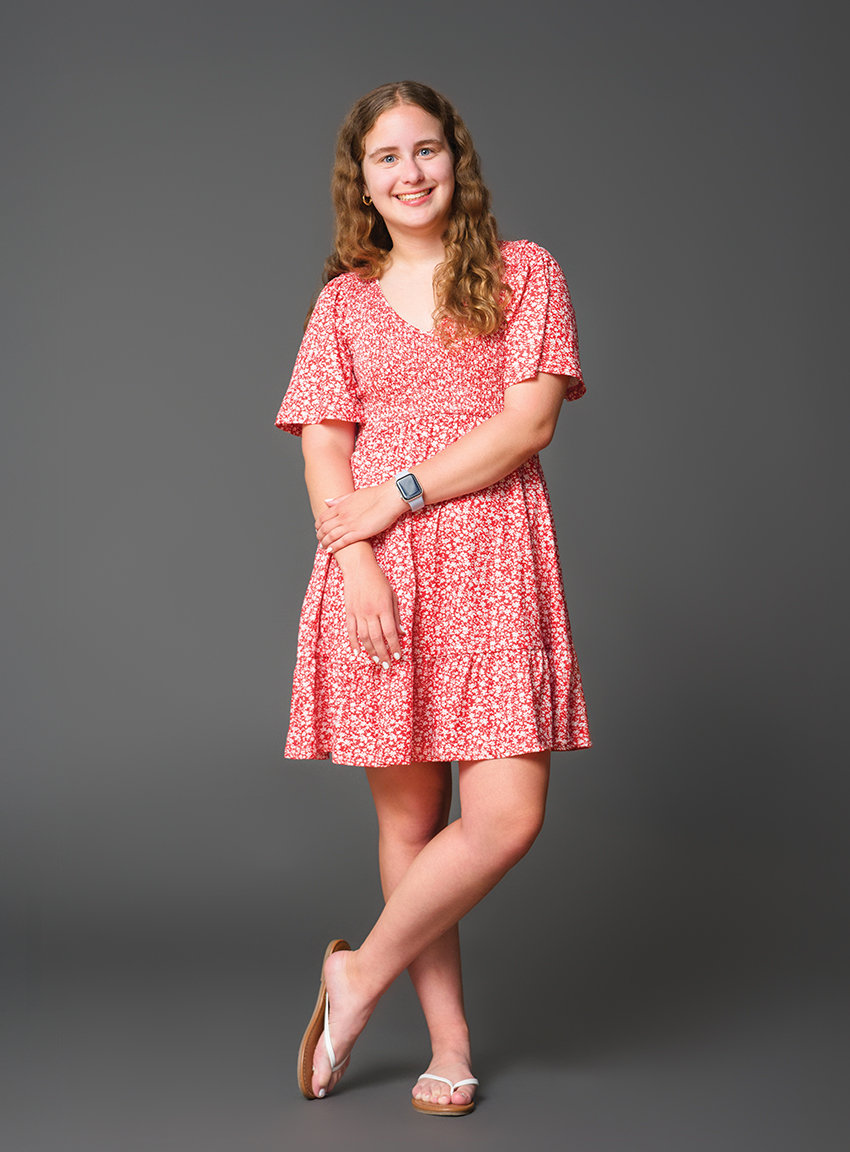
CHRISTINA DEMATT
ST. JOSEPH HIGH SCHOOL
11th Grade / Competitive Swimming, Youth Mentorship, Community Service, Yearbook
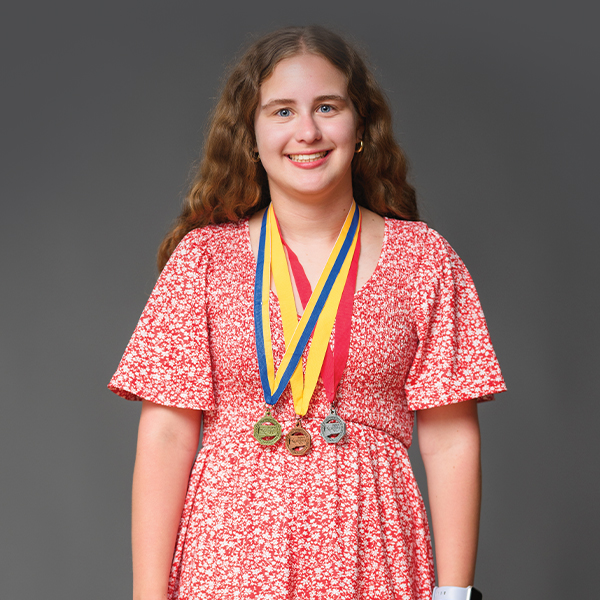
From early mornings at swim practice to late nights designing her school’s yearbook, Christina moves through her days with quiet purpose. She knows that making a difference isn’t always about grand gestures—it’s about showing up for others, especially kids who need a little extra support. Whether she’s leading activities as a camp counselor or assembling food bags for children facing hunger, Christina finds meaning in the small moments that build confidence, joy and hope. Balancing academics and athletics, she carries the same determination into every role she takes on. Her passion for helping young children grows from personal experience and a desire to make kindness a ripple that reaches far beyond her community. Through empathy and steady commitment, Christina is proving that even the smallest acts can spark big change.
Between your MVP swim season and various community service groups, how do you balance creativity, athletics and academics—and what keeps you motivated?
Balancing creativity, athletics and academics can be challenging, especially with big assignments and competitions, but prioritizing is key. For me, school always comes first, even if I don’t want it to. As much as I love swimming and yearbook, my studying usually takes over and has to be done before anything else. Swimming is the part of my day I look forward to the most, and even when I don’t feel like going, I know I’ll be glad I did once I get there. My motivation comes from thinking about the payoff—hard tests or swim meets. I don’t always want to study or push through practice, but when I try my hardest and get good results, it’s worth it.
You’ve volunteered both as a camp counselor and with Filling in the Blanks—what do you love most about working with kids and giving back to your community?
As a counselor, I love seeing the kidsevery day and spending time with them. I remember how much fun I had with my counselors growing up and try to give that experience to the kids now. Counselors can make all the difference at camp. With Filling in the Blanks, even though we don’t directly interact with kids, making food bags to help children in Fairfield County means a lot. Taking a couple hours to help may seem small, but it really makes a difference. Knowing I’m helping so many kids is the best feeling.
What draws you to working with young children in the future, and how have your experiences so far shaped that goal?
Having younger siblings, and being around kids as a counselor, has shown me how much I love working with them. They brighten my day even if they’re not always happy. These experiences deepened my passion, and I can’t imagine doing anything without children in my life.
Who’s someone you admire—and what do you admire about them?
I admire my friends and family for their hard work and dedication. Whether in school or their dream jobs, they persevere and always support and encourage me to be my best.
What’s your dream job—or dream impact?
I want to help kids feel confident and loved, and show them what they’re capable of. Whatever job I have, I hope to help children grow into better versions of themselves and make positive changes.
What’s a song/movie/show/book you can’t stop thinking about lately?
Taylor Swift, Dear Evan Hansen, Manifest, The Summer I Turned Pretty.
What’s your go-to comfort snack or meal?
Dark chocolate.
Where do you hope to be in 10 years?
Graduated from college with a job I love, still swimming, proud of my life, with a dog near the beach.
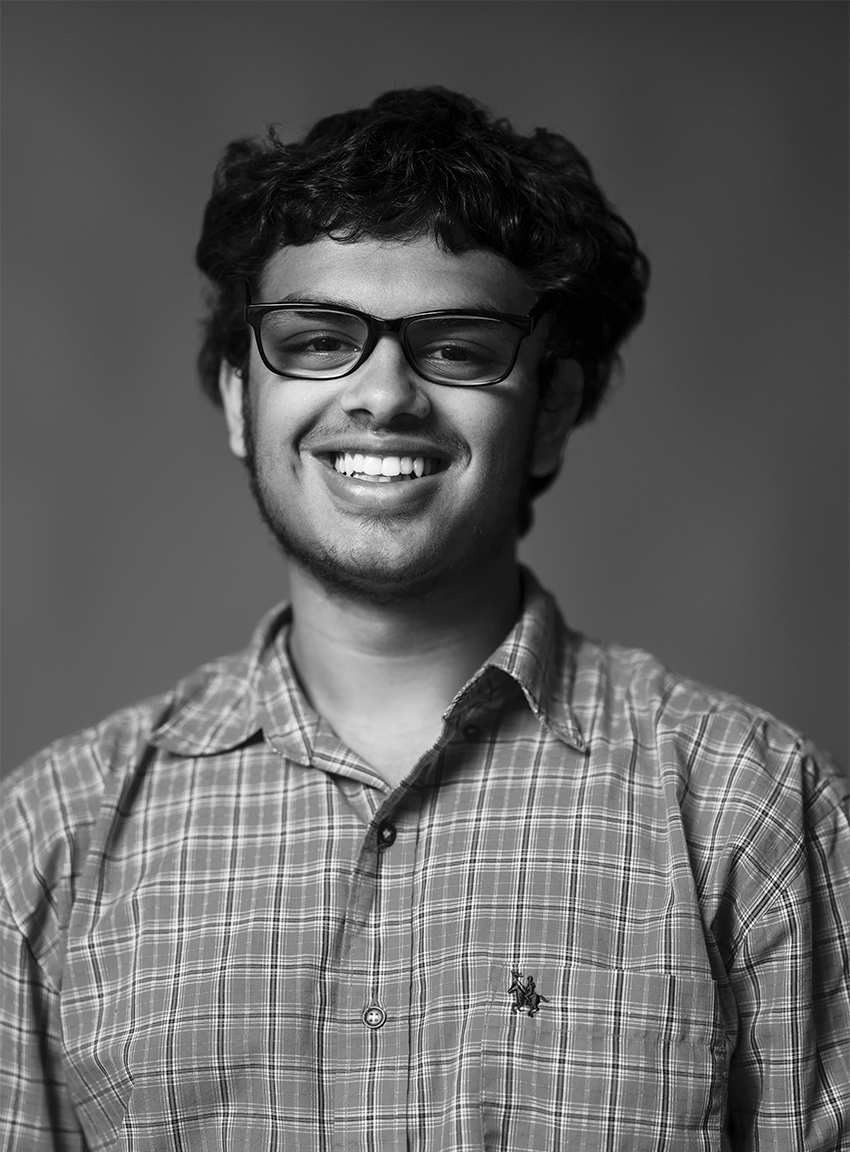
SAZID ROB
ACADEMY OF INFORMATION TECHNOLOGY & ENGINEERING
12th Grade / AI and Biotechnology, Debate, Community Leadership
At his school, Sazid Rob is a changemaker in every sense— quietly confident, driven by purpose and always thinking ahead. Whether he’s leading conversations on mental health with the Mayor’s Leadership Council, mentoring peers through Future 5, or competing in debate, he approaches every effort with a clear mission: to better the world around him. Fascinated by AI and biotechnology, Sazid hopes to use future innovations to create a more just and compassionate society. His leadership style isn’t about the spotlight—it’s about showing up, speaking up and lifting others along the way. With Sazid, it’s not just about potential—it’s about progress already in motion.
You’ve been a voice for activism at school. How do you find the courage to lead on issues that matter to you?
I didn’t really “find” courage— it came through action. What I did find was the understanding that if no one speaks up, nothing changes. That quote, “You miss 100% of the shots you don’t take,” stuck with me. I realized I had to step outside my comfort zone if I truly cared. That mindset—of action over comfort—continues to guide me.
You’ve talked about using AI and biotech to make the world a better place. What’s one problem you dream of helping to solve—and how would you start?
We’ve made major strides in science and tech, but one of the biggest issues still holding us back is bias—especially in AI. My dream is to create collaborative AI tools that help accelerate research in medicine and tech without reinforcing harmful systems. I want to use AI to support— not replace—human problem-solving, specially in areas like accessible healthcare and under-resourced education. Whether it’s mentoring, debate or Future 5, you spend a lot of time helping others grow. What’s one lesson you’ve learned about yourself while supporting others? Helping others has shown me the real power of guidance and collaboration. It’s not just about solving problems—it’s about creating an environment where people feel seen and supported. I’ve learned how much happiness and motivation I draw from that. It keeps me grounded, and it reminds me how grateful I am for the people who’ve supported me, too.
What’s one passion or cause that drives you?
Right guidance, love and compassion. When people are met with those values, they can achieve incredible things. I’ve seen how they lead to real change—justice, peace, personal growth—and those are the outcomes I want to be part of.
What’s your favorite way to express yourself?
Through positive, constructive interaction. That might mean a good conversation, helping with a project, debating respectfully, or even just collaborating on something creative. I enjoy hands-on connection—it helps me grow and understand others better.
What’s a book you can’t stop thinking about lately?
Restart by Gordon Korman. It’s about a boy who gets a second chance at life after memory loss, and he changes from a bully into someone with purpose. That transformation really stuck with me—it showed how change is always possible.
If you could create one new school subject, what would it be?
Principles of Emotional Intelligence. With everything going on—technology, social pressure—we’re losing our ability to connect emotionally. This class would help students build self-awareness and empathy, skills that are just as important as academics in today’s world.
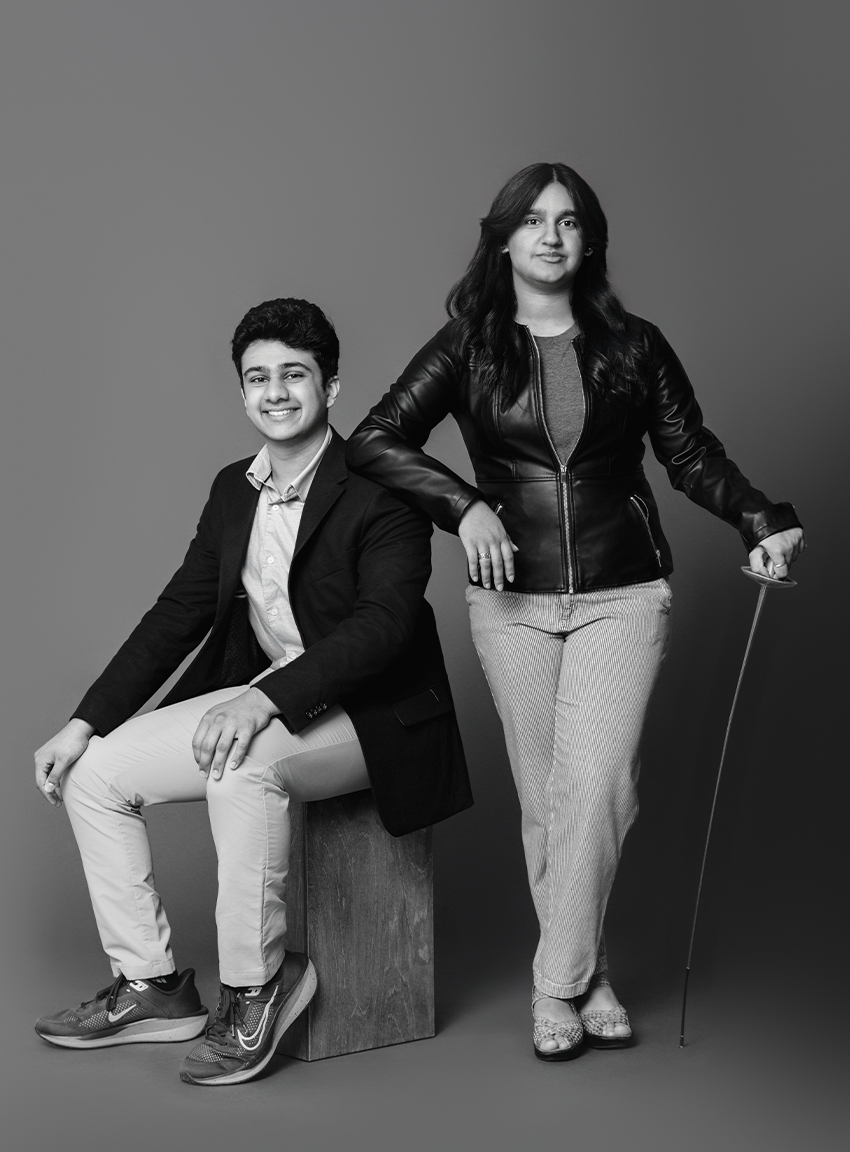
CHAARANATH BADRINATH
RYE COUNTRY DAY
12th Grade / Mathematical Oncology, Robotics, Origami, STEM Mentorship
ISHANA KUMAR
RYE COUNTRY DAY
12th Grade / Music, STEM Research, Invention, Fencing, Cross-Cultural Leadership
CHAARANATH BADRINATH
When Chaaranath folds a sheet of paper, he’s not just creating art—he’s solving puzzles that blend math and creativity. His passion reflects a scientific approach—precise, innovative and curious. At Rye, he combines robotics, physics, and origami with cutting-edge cancer research. Whether designing intricate paper models or building mathematical frameworks at Moffitt Cancer Center, he uses creativity and science to tackle real-world problems. As a leader, he fosters collaboration—doubling club attendance through cultural partnerships and mentoring younger students. Driven to transform cancer care with machine learning, Chaaranath inspires curiosity and innovation across disciplines.
You’ve explored the intersection of math and cancer biology through research at Moffitt Cancer Center—what inspired that focus?
My interest in mathematical oncology started by accident through my school’s Science Research Program, where I developed skills in reading and explaining scientific papers. I became fascinated by mathematical oncology, where models help understand cancer cell microenvironments. I found a program at Moffitt Cancer Center that combined math and oncology, and I was fortunate to be accepted. There, I worked on tumor growth models using approaches like differential equations and network theory. These models provided insights that could directly influence patient care, not just cancer understanding. The experience was transformative, inspiring me to focus on translational research to have real-world impact on patients.
How have your leadership roles shaped the way you think?
Leading robotics and co-presiding over the physics and origami clubs reshaped how I understand collaboration and creativity. Innovation comes from unexpected places. I include new team members early to hear their ideas and help them grow. Leadership requires creativity—not just technical, but solving issues like boosting origami
club attendance. I partnered with APIDA to co-host origami sessions during cultural holidays, doubling attendance and creating meaningful connections. This taught me that creative solutions come from looking beyond boundaries. I now focus less on having all the answers and more on enabling others to discover solutions together.
What impact do you hope to make?
I want to create ripple effects of curiosity and collaboration. Inspired by Sal Khan’s Khan Academy, I aim to open doors for others to discover their interests. When mentoring origami, I hope to spark wonder and math appreciation, so students explore independently. In math competitions, sharing diverse approaches strengthens everyone. Ultimately, I want to build a culture where knowledge flows freely, and curiosity is contagious, equipping others to solve problems beyond my own reach.
What’s one passion thatdrives you?
Bridging mathematical cancer research and patient care drives me. After Moffitt, I developed a machine learning project for adaptive treatment frameworks, aiming to translate life-saving insights from computer models to patients’ bedsides. I’m excited that math can save lives not just in theory, but in practice.
What’s your dream job?
I want to transform cancer treatment with personalized medicine that evolves in real-time through math and machine learning, combined with technology to monitor tumors continuously. The goal is a new paradigm where math and AI are integral to healing, and care is as unique as biology.
ISHANA KUMAR
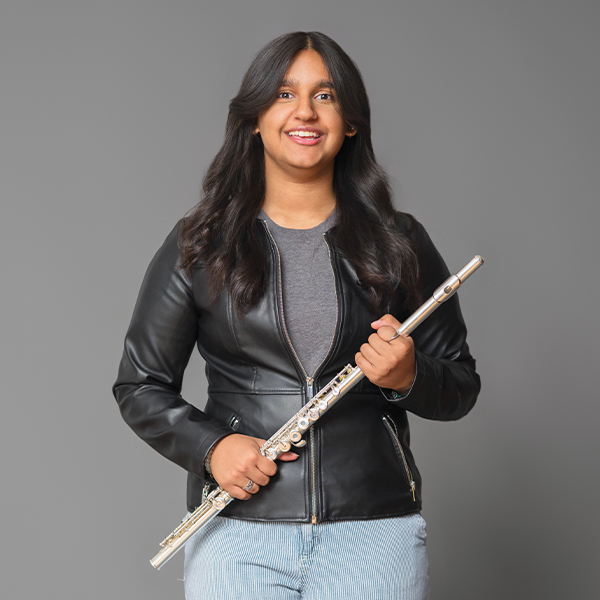
Ishana Kumar’s world is where melodies meet mathematics, and compassion drives invention. A musician, she blends Indian bhajans with jazz flute, creating a unique fusion she now teaches to immigrant youth. Offstage, Ishana’s curiosity pushes boundaries in science and innovation: She researches health disparities in breast cancer care and co-invented a patent-pending technology aiming to reduce environmental impact in shipping. As fencing captain and student leader, she balances precision with empathy, inspiring peers and advocating for equity. Whether composing a new jazz arrangement or developing tools for accessible healthcare, Ishana weaves creativity, intellect and heart into every challenge she embraces.
You’re blending Indian bhajans with jazz and teaching cross-cultural music to others—what sparked that idea, and how has it evolved?
I’ve always loved how music tells stories. Though I trained in classical piano and flute, I was drawn to the Indian bhajans I heard at family gatherings. One day, I brought my flute to a devotional session and tried playing along—it was hard at first, with no sheet music and shifting keys. But over time, I learned to let go of structure and play by feel. When I later joined jazz band, I noticed the same kind of fluidity. Jazz and bhajans both embrace imperfection and improvisation, which made me fall in love with jazz. Now I blend the two and even teach jazz to immigrant students at a local nonprofit—helping others see how music connects cultures and unlocks self-expression.
From fencing captain to a patent-pending inventor and public health researcher, how do you stay grounded while balancing so many roles?
Weekly Dunkin’ runs, Bananagrams with my family, and noodling on the flute help me stay grounded. I’m endlessly curious, and everything I do started with wanting to try something new. Even after practicing my fencing parry-riposte for the hundredth time, I still feel like I’m discovering something.
What does “equity” mean to you—whether in healthcare, music, or your broader vision for the future?
To me, equity means meeting people where they are. That might look like tailoring a health plan or simply playing a student’s favorite song in jazz class to build confidence. Everyone deserves a path to what makes life special.
What’s one passion or cause that drives you?
Health equity for underserved women. It’s not just about services—it’s about making sure those services work for real people. That means early intervention, accessible resources, and empowering women to make informed decisions.
What’s something about your generation that makes you proud?
I’m really proud to be in the same generation as Malala Yousafzai and Greta Thunberg—activists who have kept fighting for what they believe in despite setbacks. I really admire their resilience and how they have brought about meaningful change.
What’s your favorite way to express yourself?
I love using my hands to craft with clay. I enjoy designing pieces that are both aesthetically pleasing and practical—like a stack of pancakes that also serves as a ring box. When I make animals, I enjoy coming up with whimsical background stories for each one of them with my brother. Ducks are my favorite!
What’s a song/movie/show/book you can’t stop thinking about lately?
Law & Order. I love how it shows the complexity of justice from all sides.
What’s your go-to comfort snack or meal?
My mom’s pasta carbonara—it blends her time in India and Italy and always reminds me of home.
TANISHA ALILAIKANNAN
ACADEMY OF INFORMATION TECHNOLOGY & ENGINEERING
12th Grade / STEM, Community Advocacy, Civil Air Patrol, Dance
Tanisha Alilaikannan is a powerhouse of empathy, intellect and initiative. A trilingual STEM scholar and passionate performing artist, she’s also a devoted caregiver at home and a Cadet Commander for the Civil Air Patrol, leading a squadron of more than 70. Inspired by her father’s rare genetic disease, she has raised thousands of dollars for medical research and women’s health, founded a Junior Leadership Board, and interned at Stamford Health’s Interventional Radiology Department. Last spring, she had an internship with a UCONN science professor in a chemical laboratory doing research in molecular networking. Whether she’s debating, dancing, fundraising or mentoring, Tanisha’s work is rooted in compassion and her vision for the future is nothing short of life-changing, from gene editing breakthroughs to community service.
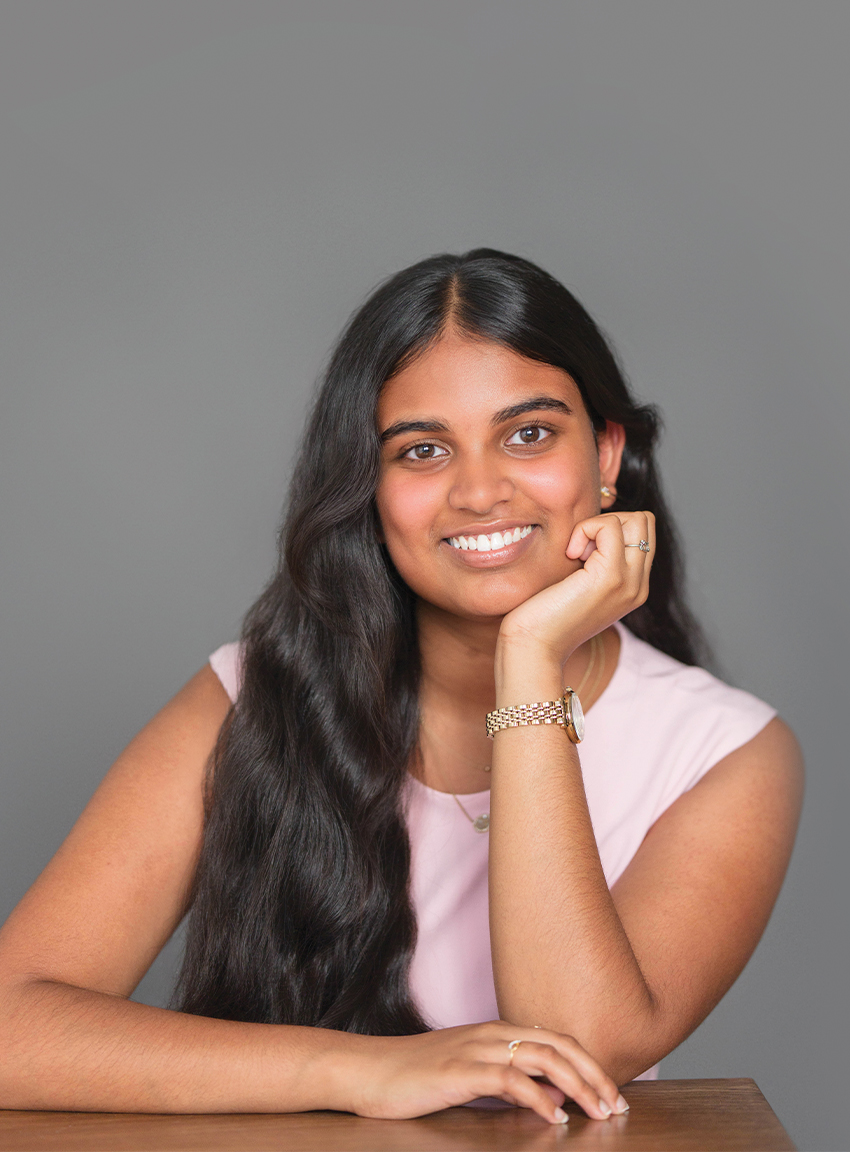
You’ve raised thousands of dollars for causes close to your heart—including one inspired by your father’s health. What’s one lesson your fundraising work has taught you about strength or community?
I used to think success came from how much effort I put in—designing fliers, promoting events, setting up tables. But what surprised me was how many people stepped up to help. Some I barely knew hung fliers, helped run my stand, and spread the word. That’s when I realized true community strength comes from people lifting each other up.
Your interests are wide and deep. How do you stay grounded while doing so much?
It’s not always easy, but music and reading keep me grounded. Fantasy books have been my go-to since I was little. They give my mind space to reset and reconnect with the sense of wonder that fuels everything I do.
You’ve turned empathy into action, launching a Junior Leadership Board and organizing a supply drive. What advice would you give another student who wants to start something but doesn’t know where to begin?
Trust that a community exists around you—even if it doesn’t feel like it. Start by identifying what you want to accomplish, and go from there. Cold-email that person. Walk up to that stranger. It might feel awkward, but discomfort usually means you’re growing.
Who’s someone you admire—and what do you admire about them?
My mom. Her strength comes from enduring so much, but never letting anything wear her down. She’s taught me to move forward no matter the hardship—and I carry that lesson every day.
What does being a leader mean to you?
Leadership means being the driving force behind a team—knowing people’s strengths, helping them grow and creating synergy. As Cadet Commander, I’ve had to shift from taking direction to giving it—and being the person others turn to. A strong leader makes others stronger too.
What’s your dream job—or dream impact?
I want to work in gene editing and help remove multi-generational diseases. It’s not just about science—it’s about giving people a chance to reclaim their lives. That would be my dream impact.
What’s a “life hack” or piece of advice you swear by?
Email etiquette! A simple “Good morning” and a kind sign-off go a long way. It shows profession-alism, earns respect and builds connections.
What’s your favorite comfort snack or meal?
Curd rice. It’s simple—cooked rice mixed with yogurt—and I could eat it every day. It’s comfort food in the truest sense.
MICHAEL FAHERTY
STAMFORD HIGH SCHOOL
2025 Graduate / Student Government, Journalism, Theater, Eagle Scouts, Community Service
Michael doesn’t wait for opportunity—he builds it. At Stamford High School, he led as Class President and Editor-in-Chief, shaping senior milestones and headline stories with equal parts vision and drive. He spent weekends restoring a trail railing at the Bartlett Arboretum for his Eagle Scout project, and brought that same commitment to the stage as a four-year member and senior board leader of the Strawberry Hill Players, his school’s drama club. Last spring, he was honored to serve as a student reporter at the Stephen Sondheim Awards—Connecticut’s top celebration of high school musical theater and a gateway to the national Jimmy Awards. Michael’s leadership thrives at the intersection of service, creativity and conviction. Now a first-year student at Northwestern University studying journalism and political science, he continues his mission to inform, empower and lead.
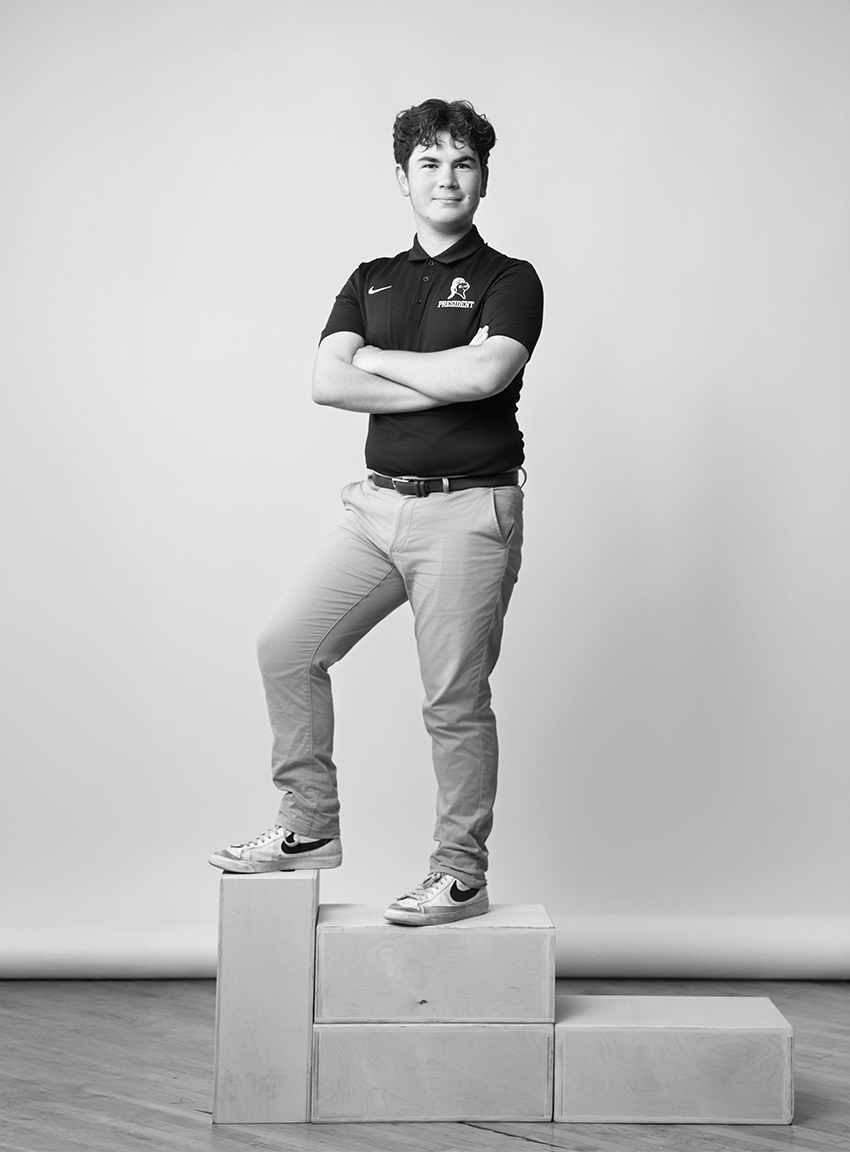
As Senior Class President and Editor-in-Chief of your school newspaper, how do you balance leadership and academics?
It’s easy to want to work hard when I love what I do. Leading my class means being part of some truly big moments—prom, senior sunsets, graduation—and I find a lot of joy in helping make those memories special for my 490 classmates. There have been plenty of late nights, but I don’t see these roles as tiring obligations—they’re exciting opportunities. What keeps me going is the passion behind it and the people I get to work with.
You’ve used your Eagle Scout project to give back to the Stamford community by building a walking trail at the Bartlett Arboretum—what inspired you to choose this project, and what impact do you hope it has on the community?
I grew up going to the Bartlett for field trips, and always loved its role as a sanctuary in our busy city. When it came time for my Eagle Scout Project, I knew I wanted to give back there. After meeting with the CEO, we decided to restore the Native Shade Garden. After 125+ hours of volunteer work, we rebuilt the rotted wooden railings. Thousands walk those trails each month, and I hope the new railings help them do so safely.
With plans to double major in journalism and political science at Northwestern, what are your aspirations in those fields, and how do you hope to use your platform to make a difference?
Being Editor-in-Chief of The Round Table confirmed my journalism path, but my D.C. trip as an Al Neuharth Free Spirit Scholar sparked a passion for politics. I’d love to write political columns—or maybe even represent Connecticut’s 4th District in Congress. Whether I’m writing or legislating, I want to give voice to those who need one. My leadership experiences in high school are the foundation for wherever that path takes me.
What’s one passion or cause that drives you?
Protecting the 1st Amendment. As a future journalism major, it’s vital to me that stories can be published freely. Censorship is, in my opinion, one of our nation’s greatest internal threats.
What’s something about your generation that makes you proud?
Our ambition. In Stamford Public Schools, I’ve seen students head to Top 20 schools, the military and the workforce. As class president, I’ve watched these achievements unfold, and I’m hopeful because of the people building our future.
What’s your favorite way toexpress yourself?
Onstage. I am a proud alumni of Stamford High’s drama club The Strawberry Hill Players, where I served as a board member during my senior year. I participated in four spring musicals, a fall play, and directed my own scene when I had the opportunity to direct underclassmen in my adaptation of Tony Kushner’s Angels in America.
What’s a song/movie/show/book you can’t stop thinking about lately?
I’m a really huge Beyoncé fan; I just saw her on tour this past May and have her most recent album Cowboy Carter on repeat.
KATELYN LAUREANO-RIKARDSEN
STAMFORD HIGH SCHOOL
2025 Graduate / Student Government, Journalism, Theater, Eagle Scouts, Community Service
When a torn ACL sidelined Katelyn her freshman year, she turned that setback into purpose—founding Stamford High’s chapter of Morgan’s Message to support student-athlete mental health. Under her leadership, the initiative expanded across three schools, hosting 15+ dedication games and reaching athletes, coaches and families. As Varsity Lacrosse captain and a member of the Dominican Republic Women’s National Team, Katelyn led with grit on and off the field. She also helped revise Stamford’s student suicide prevention policy through the Mayor’s Youth Leadership Program and launched the school’s AI in Business Club. A National Honor Society member and IB Diploma recipient, she blends data-driven thinking with deep empathy. This fall, she heads to Northwestern University to pursue a dual degree in economics and data science—ready to lead, uplift and prove that she’s just getting warmed up.
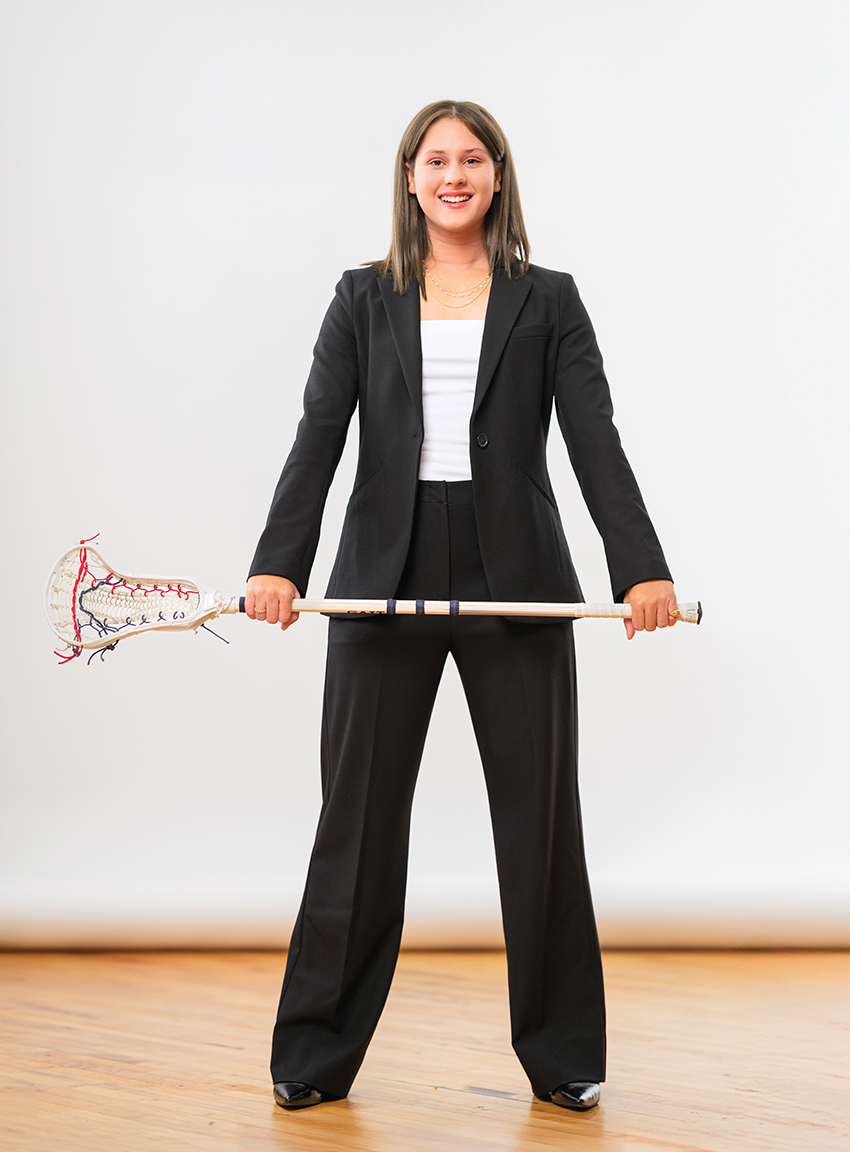
As a leader in both athletics and advocacy, how did you balance founding Morgan’s Message at SHS and expanding its reach across multiple schools, and what impact do you hope it has on student-athlete mental health?
Morgan’s Message came at a pivotal time in my life. My goals were almost instantly derailed by a torn ACL my freshman year, and Morgan’s Message and the lacrosse community picked up the pieces. I hope the impact we’ve had on Stamford has reached a wide group of student athletes, coaches, family and others—helping them recognize the importance of mental health awareness.
How do you plan to integrate your passion for sports with your career goals in private equity and data analytics?
Every time I step onto a lacrosse field, I feel renewed. That passion can carry over into financial services, where team building, grit, and endurance matter. I love analyzing games—each strategy is like a puzzle, and no one approach works every time. That ability to adapt and outsmart an opponent is what makes sports so special. I hope to bring that same mindset to private equity and data analytics—whether reshaping companies or studying network patterns.
Through your work with the Mayor’s Youth Leadership Program, what changes or improvements do you think are essential for supporting student well-being in schools?
More than anything, attention, awareness and resources. We need to pay attention to student well-being, facilitate more in-depth check-ins and provide our administrators and teachers with uniform response plans as well as resources to support these efforts.
Who’s someone you admire—and what do you admire about them?
Coco Gauff—for her drive, kindness and poise under pressure. And Rio Ferdinand, from Manchester United, who inspired me as a leader and defender. I continue to wear his number 5 for both Stamford High and the Dominican Republic Women’s National Team.
What does being a leadermean to you?
Being a conduit for your peers, a motivator, and a listener. My advice: Listen with empathy, never turn a blind eye and trust your gut. I live by “focus on the solution, not the problem.”
What’s your favorite way to express yourself?
Writing short stories—from tailored gentlemen to chunky chipmunks—everyone has a story.
What’s a song/movie/show/book you can’t stop thinking about lately?
“Non-Stop” from Hamilton and Ted Lasso—especially the “Believe” sign moment. It really resonated with our team.
What’s one thing you want to be remembered for?
My positivity—an infectious energy I hope inspires others.
LEON WANG
KING SCHOOL
12th Grade / Biomedical Research, Debate, Community Service, Nonprofit Leadership
Leon Wang isn’t just curious—he’s committed. A junior at King School and Stamford resident, Leon blends biomedical research with community service and award-winning debate. After his grandfather’s Alzheimer’s diagnosis, Leon joined the Blanchard Lab at Mount Sinai to study FDA-approved drugs as potential treatments, earning top honors at CT STEM and Science Fairs. Whether leading King’s debate team, helping immigrant families through Building One Community, or co-founding a nonprofit, Leon leads with intellect and empathy. Co-captain of debate and co-leader of numerous clubs, he brings focus and heart everywhere. With goals to study biomedical research and become a surgeon, he is already making a meaningful impact in both science and his community.
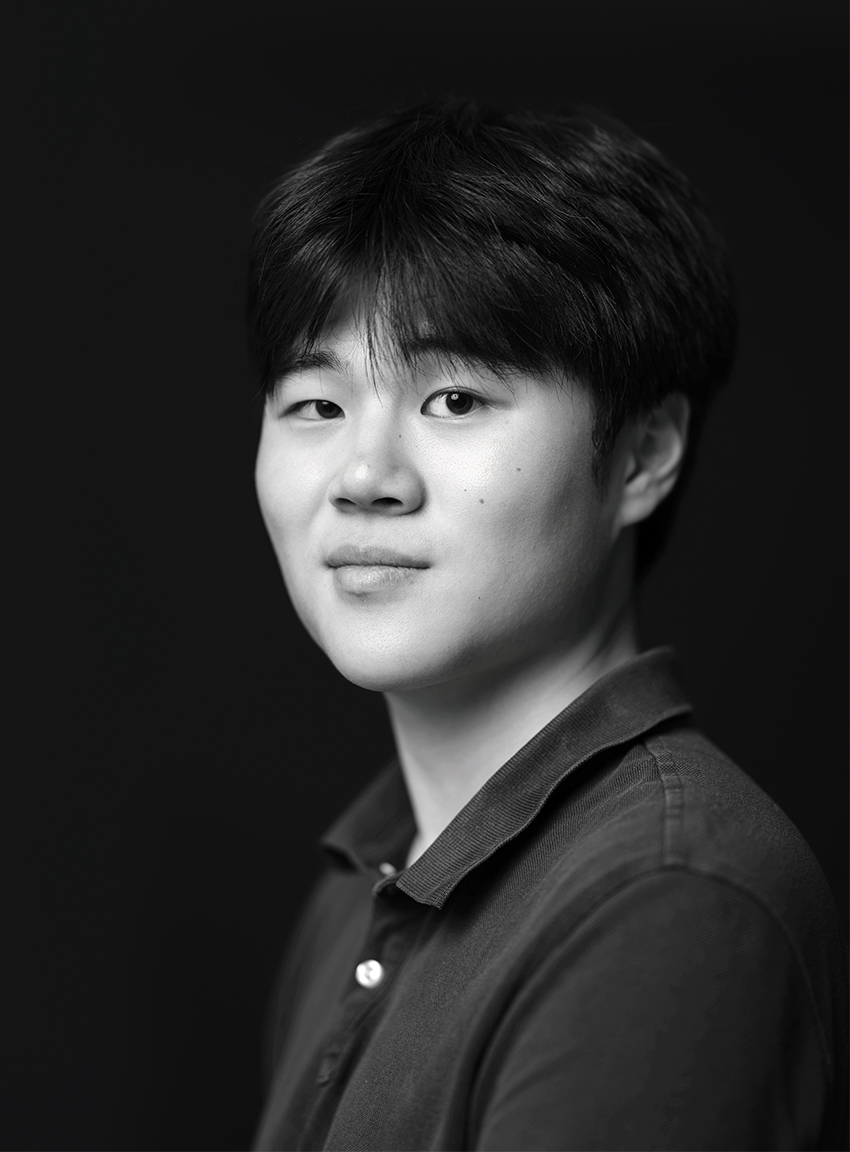
What inspired your interest in biomedical research, particularly in Alzheimer’s disease?
When my grandfather was diagnosed with Alzheimer’s, watching him slowly lose his memory—and eventually his own name—was heartbreaking. I joined my school’s Advanced Science Research program with one goal: to work on Alzheimer’s. At the Blanchard Lab at Mount Sinai, I’ve been testing FDA-approved drugs for new use in treating the disease. I hope this work can lead to better, more accessible treatments for patients like my grandfather.
Debate, research and leadership all require different types of thinking—how do they complement each other in your daily life?
Research taught me to ask better questions. Debate gave me the confidence to advocate for ideas. Together, they’ve helped me think critically, speak persuasively and lead effectively—whether that’s running a club or proposing a project in the lab.
What does “impact” mean to you—and how do you measure it in your work so far?
Impact means improving someone’s life—whether that’s a smile on the subway or progress in Alzheimer’s research. Right now, it means pushing my project one step closer to the goal. Some of my recent results are promising: the drugs I’m testing may help regenerate healthy brain cells. I hope to publish this work so it can inspire further research—and maybe one day, help patients directly.
What’s one passion or cause that drives you?
Closing healthcare access gaps. Repurposed drugs are about 160 times cheaper to bring to market than new ones, which can make treatments more affordable. That’s especially important in Alzheimer’s, where low income is a top risk factor. I want to help make cutting-edge care accessible—through advocacy or research.
What’s something about your generation that makes you proud?
Gen Z is resilient. From COVID to AI, we’ve had to adapt quickly—and I think that flexibility will serve us well going forward.
What’s your favorite way to express yourself?
The piano. I’ve been playing for 12 years, and it’s how I decompress and reset.
What’s a song/movie/show/book you can’t stop thinking about lately?
Succession is my current obsession, but Grey’s Anatomy is still my comfort show.
Where do you hope to be in 10 years?
I hope to be making a meaningful impact in healthcare—whether as a doctor, researcher, policymaker, or in biotech. I’m looking forward to narrowing my path in college and grad school.
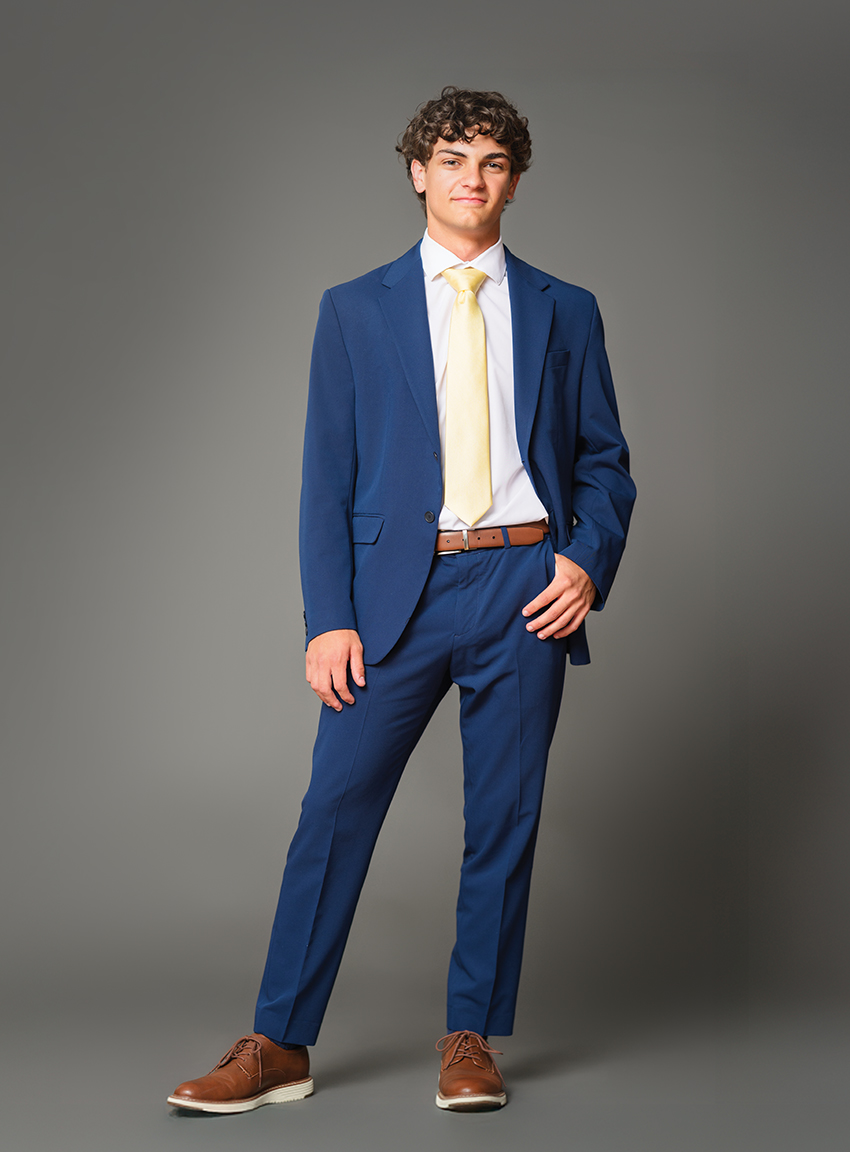
AIDAN MULCAHEY
WESTHILL HIGH SCHOOL
12th Grade / Baseball, Coding, Volunteering, Engineering, Community Service
Aidan Mulcahey steps up to the plate with a rare blend of grit, brains and heart. As a senior at Westhill High School, he’s not just swinging for the fences in baseball and golf—he’s also knocking it out of the park academically with a 4.0 GPA and a rigorous load of Honors and AP courses. Off the field, Aidan coaches the next generation of coders at Code Ninjas and volunteers tirelessly, umpiring Stamford Little League and mentoring at EST Baseball Camp. His passion for problem-solving drives his dream of becoming an engineer focused on sustainable energy and cutting-edge technology. With awards like the Mickey Lione Jr. Fund Youth Excellence and a black belt in Tang Soo Do, Aidan’s leadership hits every base—from community service to academic excellence—setting him up to engineer solutions that could change the world.
You’re involved in so many activities, from teaching coding at Code Ninjas to volunteering at EST Baseball Camp—how do you manage to balance your rigorous academics with all your extracurriculars, and how has this experience shaped your leadership skills?
Finding balance comes easily because I enjoy everything I do. From baseball to volunteering to AP Physics, each one is something I love. Of course, doing what you love brings pressure, but those moments build character. Learning to handle stress and diversify my interests help me understand myself—and bring out the best in others. Helping others also means learning from their experiences, shaping me into a better leader.
With your interest in engineering and passion for problem-solving, what area of technology or innovation are you most excited to explore, and what kind of impact do you hope to make in that field?
Presented with a world riddled with waste and pollution, I am most excited to innovate in the field of energy—especially nuclear. It’s one of the cleanest, safest forms of energy, yet only 20% of U.S. energy comes from nuclear power. I believe it’s the future for both cities and rural areas. While the industry faces challenges, I see them as problems to solve. I hope to make nuclear energy more efficient and raise awareness of its benefits.
As a dedicated volunteer and mentor, how do you think giving back to the community has shaped your personal growth and influenced your future aspirations?
Volunteering has taught me a lot about values—especially community, health and education. At the Stamford Little League Challenger Division, I’ve helped bring baseball to kids with mental and physical disabilities. I’ve also mentored at EST Baseball Camp and Code Ninjas. The baseball community shaped me, and I want others to have the same chance. Inclusion and support are key—and I hope to keep giving back as I grow.
What’s one passion or cause that drives you?
My biggest passion is my thirst for knowledge. I love learning—in class and on my own—and want to absorb as much as I can from everyone and everything.
What’s something about your generation that makes you proud?
When I look at my generation, I would say that our ability to innovate and adapt to technology stands tall as our best feature. We understand its power and use it to create life-changing ideas.
What’s your favorite way to express yourself?
Through clothing—especially things that show what I love, like baseball, golf, or my favorite artists and shows.
What’s a song/movie/show/book you can’t stop thinking about lately?
Succession. The concept of splitting work and personal life is fascinating—and full of symbolism and foreshadowing.
What’s your go-to comfort snack or meal?
Super easy microwave nachos. They’ve been a favorite for years!
ANYA ANDERSON
KING SCHOOL
2025 Graduate / Track & Field, Ninja Warrior, Medicine, Youth Leadership, Women in STEM, Environmental Conservation
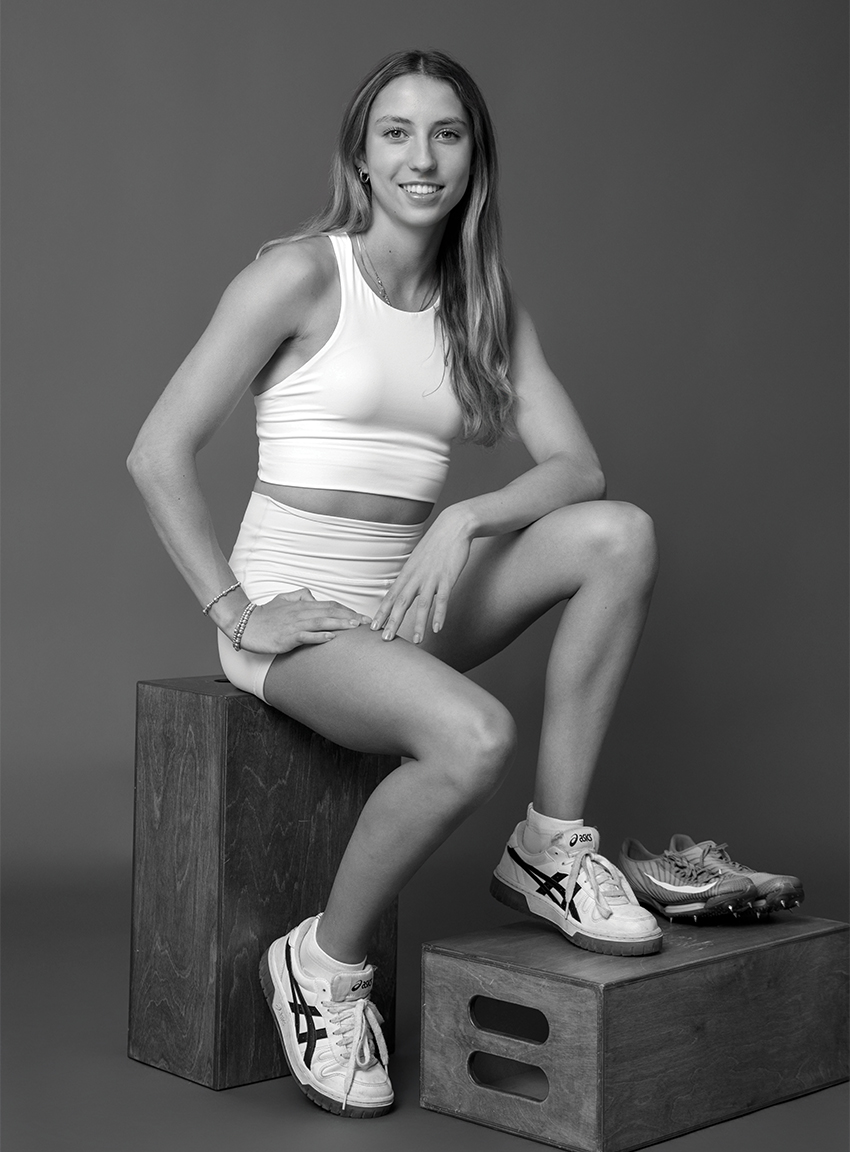
Leaping past limits is second nature to Anya Anderson. A senior at King School, Anya is a nationally ranked track star, elite Ninja Warrior competitor and aspiring emergency room doctor who thrives in high-pressure moments—both on and off the course. Whether she’s vaulting over hurdles or leading younger girls through faith-based mentorship, she pushes herself for something greater. From her leadership in King’s Future Medical Professionals and Girls Advancing in STEM clubs to her work conserving endangered frogs and empowering girls in science, Anya brings bold energy and deep care to every challenge. With plans to compete on American Ninja Warrior and pursue a career in medicine, she’s training to make an impact in every arena.
What drives you to keep pushing your physical and mental limits?
What drives me is the pursuit of growth—physically, mentally and emotionally. Competing at a national level demands focus, discipline and resilience, but I thrive in the process of learning what I’m capable of. I find purpose in challenges that push me beyond my comfort zone. I’m also deeply motivated by the community around me. The friendships I’ve built through both track and Ninja Warrior are a constant source of encouragement and inspiration. Knowing that I’m not pushing limits alone—but alongside people who believe in me—makes every challenge more meaningful.
How have your experiences in youth group leadership shaped how you want to help others, both now and in your future career?
In youth group, I learned that real leadership isn’t about being the loudest voice—it’s about listening, building trust, and showing up for people. Whether I was leading a service project or mentoring younger students, I saw how small actions could make someone feel seen and valued. In medicine, I want to carry that same sense of empathy and connection—treating patients as whole people, not just cases. Helping others starts with understanding them.
From frog conservation to empowering girls in STEM—what connects all these passions for you?
At first glance, these interests might seem unrelated, but they’re all rooted in a deep desire to protect and uplift life—whether it’s endangered species or underrepresented voices. I care about what’s overlooked: the fragile ecosystems that need advocates, the young girls who need someone to tell them they belong in science. For me, it’s all about creating a better future—one where every life, big or small, has a chance to thrive.
Who’s someone you admire—and what do you admire about them?
My track and field coach, Avi Thomas, is someone I really admire. He’s incredibly dedicated to our team—not just in the way he pushes us to improve, but in how much he genuinely cares about us as people. He always goes the extra mile, whether it’s staying late after practice to talk or helping us navigate school-life balance. That kind of support and consistency really sticks with you.
What’s your dream job—or dream impact?
I want to be a doctor, and right now, I’m leaning toward emergency medicine. I like the fast pace and how every day brings something new. But more than that, I want to be someone people can rely on in a crisis, who brings calm and confidence when things feel out of control.
What’s your favorite way to express yourself?
Working out is 100% my favorite way to express myself. Whether it’s on the track, Ninja Warrior, or just moving my body—it helps me process everything and feel more grounded. Also, I have “Runaway by Galantis” on repeat—it’s the kind of song that makes you feel like you can do anything.
What’s a song/movie/show/book you can’t stop thinking about lately?
The OC.
If you could make one new school subject, what would it be?
I’d create a class on sports science. I think athletes (and honestly, everyone) would benefit from learning how our bodies and minds actually work when we move.
THE FUTURE ACCORDING TO US
OUR TEENS SHARE THEIR HOPES, FEARS AND WILDEST DREAMS FOR THE WORLD IN 10 YEARS
ISHANA KUMAR
Closing the Gap Between Innovation and Access
Ishana’s hope is that medical tech breakthroughs reach those who need them most, shrinking healthcare disparities. Her invention wish? Clean-energy personal jetpacks to travel freely and reconnect with loved ones. And she admires activists’ relentless drive to make a difference—hoping their fire never burns out.
CHRISTINA DEMATT
Dreaming Big, Hoping for Heart
Flying cars are Christina’s pick for the next big invention, but she’s most hopeful that human love and hard work never fade. “I hope love and the drive to achieve our goals never go away,” she says. While concerned about climate change, Christina believes it’s our support for each other that will help us face the future.
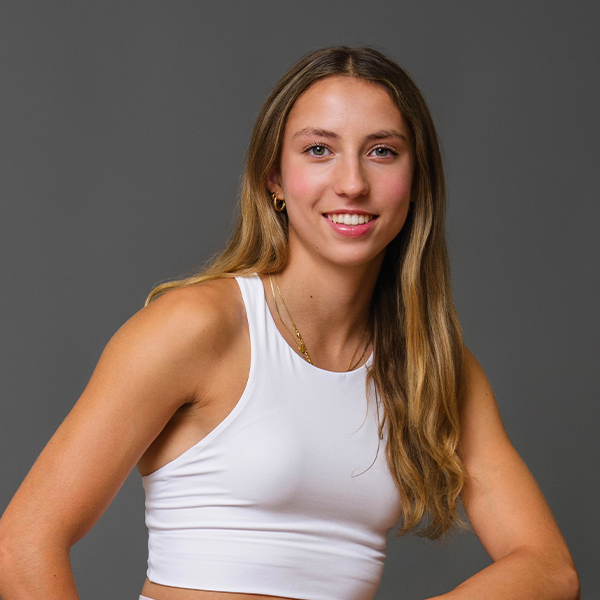
ANYA ANDERSON
The Human Side of a Tech-Heavy Future
Anya imagines a future where self-driving cars are everywhere, and AI is more than a tool—it’s a daily companion. “The job market will be unrecognizable,” she predicts, “and we’ll all need to learn how to work with technology, not around it.” But for all the tech advances, she values one thing above all else: in-person connection. “Nothing beats a late-night hang with friends, laughing and being present. I hope tech never replaces that magic.” Anya also dreams of a life-organizing AI that’s part personal trainer, therapist, and calendar—a little help to keep the chaos of school, sports, and life in check.
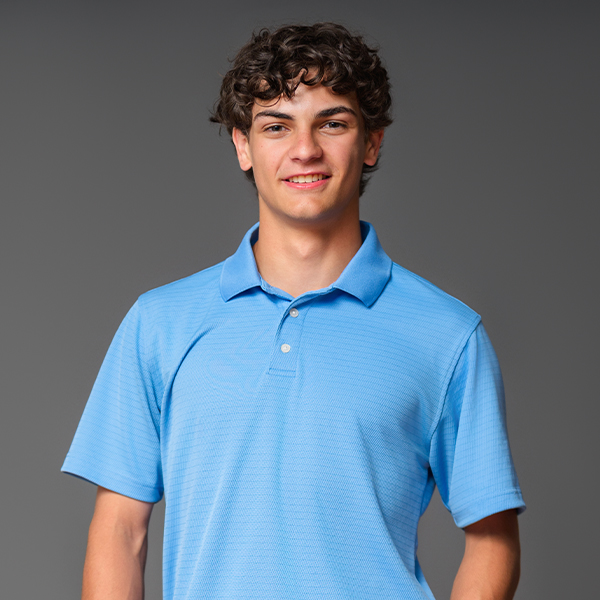
AIDAN MULCAHEY
Balancing Innovation with Responsibility
As a 12th grader who’s equally at home on the baseball field and behind a computer screen, Aidan sees the next ten years as a high-stakes game. “AI will power everything—from healthcare to transportation—making life faster and more efficient,” he says. Like a curveball that can trick even the best batter, AI carries risks. “It could replace jobs or raise ethical questions that we’re not ready for yet.” Aidan believes two conversations must happen soon: how far we let AI shape our world, and how seriously we respond to climate change. “Ignoring it won’t make it go away.” His dream invention? Controlled nuclear fusion—a clean, near-limitless energy source that could rewrite the planet’s future. Aidan hopes this remains a constant: his insatiable love for learning. “It’s what drives me and connects me with others.”
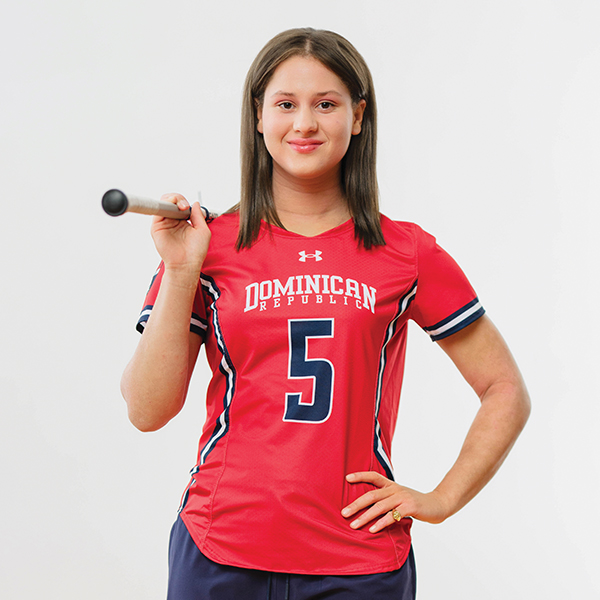
KATELYN LAUREANO-RIKARDSEN
Cultivating Curiosity and Connection
For Katelyn, the future is about appreciating both people and places more deeply. She envisions a “Cultural Adapter,” a machine helping people understand and celebrate differences. And she holds tight to the simple beauty of West Beach sunsets—something she hopes never changes.
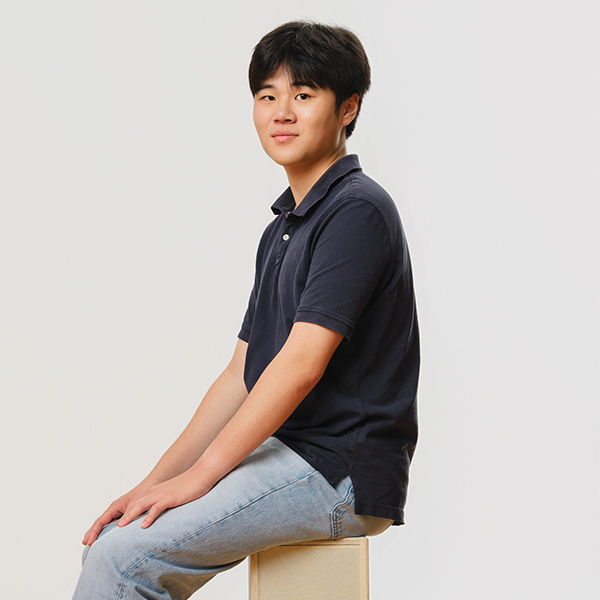
LEON WANG
Guarding Truth in the Age of AI
Leon sees AI transforming how we study, work and communicate but urges caution. “Humans won’t be replaced, but AI should help us work smarter.” What worries him most is misinformation. “We need tools that can detect fake news and AI-generated content to protect our ability to make informed decisions.” His hope? That life’s simple joys—picnics, books, quiet moments—never lose their charm, no matter how much technology advances.
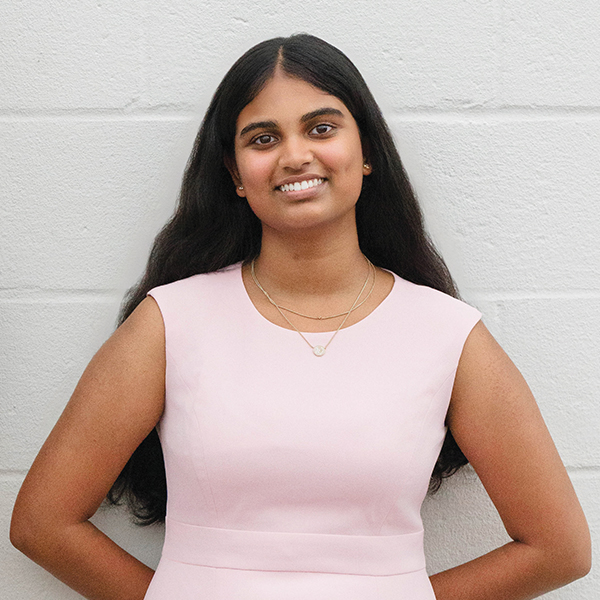
TANISHA ALILAIKANNAN
Celebrating Connection and Culture
From pioneering gene editing to virtual reality classrooms, Tanisha envisions a tech-heavy, health-focused future. But she also wants a device that bridges divides—an inclusive language translator that could help erase prejudice embedded in everyday speech. “Language shapes belonging and productivity,” she explains. And what does she hope lasts forever? Family game nights around the board. “There’s nothing like moving pieces, reading faces, and sharing laughter that no video game can match.”
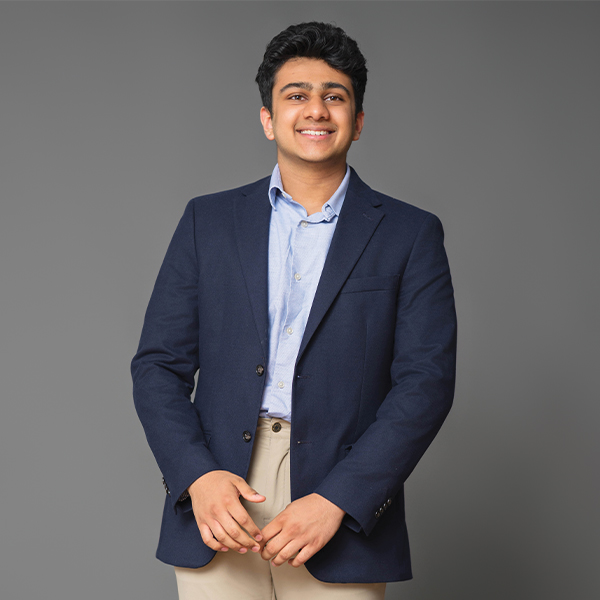
CHAARANATH BADRINATH
The Microsurgeon of Tomorrow
Chaaranath’s vision of 2035 is a world where AI blends into daily life like electricity—almost invisible but indispensable. He dreams of intelligent microsurgeons: tiny robots patrolling our bodies, stopping diseases before symptoms appear. “This could transform medicine from reactive to preventive care,” he says. Above all, he hopes human curiosity—the drive to ask “why” and imagine new possibilities—never fades. “Our hunger for understanding is what makes us beautifully human.”
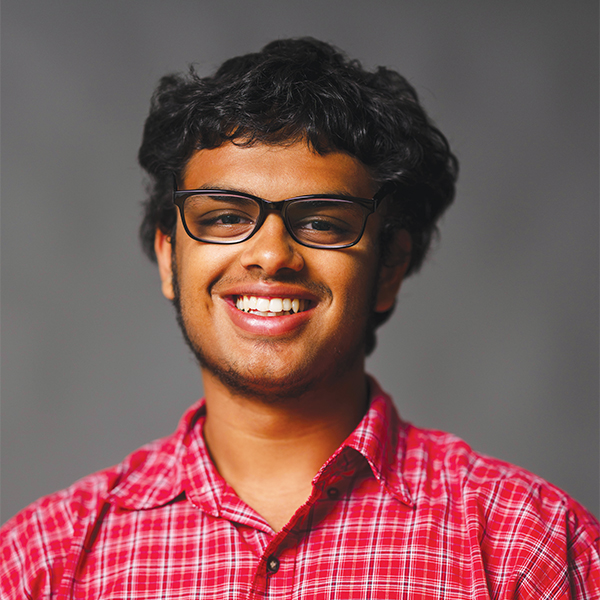
SAZID ROB
Bridging Divides with Openness
Sazid senses a future of intense technological growth but hopes we don’t lose our capacity to love and stay open-minded. “These qualities make us human and help us grow,” he says, even as logic and emotion dance a delicate dance in a tech-driven world.
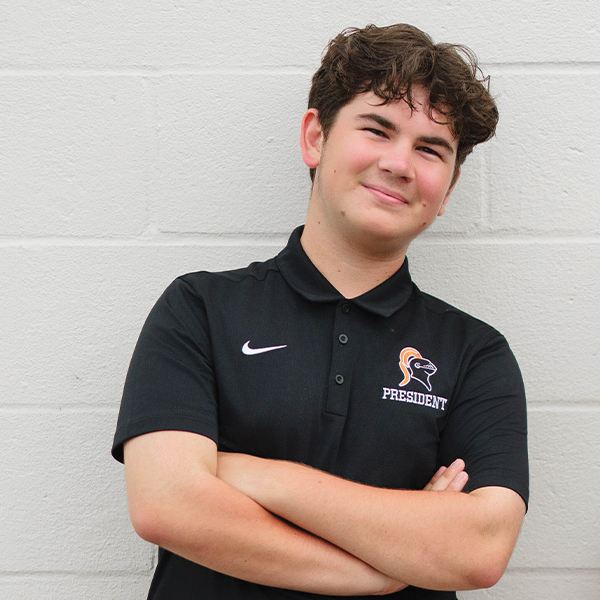
MICHAEL FAHERTY
Community and Progress Hand in Hand
Michael balances hope and caution about the future’s tech advances, wanting AI to serve global peace and progress. His invention wish? A compact water filtering generator to bring clean water to underserved communities. And he cherishes Stamford’s close-knit culture—hoping its warmth and opportunities endure.