






above: Brian and Karen Cohn have set out on a mission to help prevent the tragedy of losing a child to drowning.
Photographs: courtesy of The Zac Foundation
In July 2007, Karen and Brian Cohn’s worlds forever changed when their six-year-old son, Zachary, drowned in a pool drain entrapment in their backyard swimming pool.
From the depths of their despair, the couple knew they had to do something to honor their son while exploring ways to keep their other three children safe. As they began to study water safety, they soon realized they had the ability to make a difference in the lives of others. A year later, they created the ZAC Foundation to prepare children and families for a lifetime of safety around water. The organization funds education and program-ming about water safety and also works to strengthen pool-safety legislation.
“Zachary was such a great swimmer. We never knew about drain entrapment [when the suction power of the drain traps a person underwater]. As a parent, you want to do everything you can to protect your kids,” says Karen. “Zachary’s memory is the inspiration for everything we do at the foundation. I work for him.”
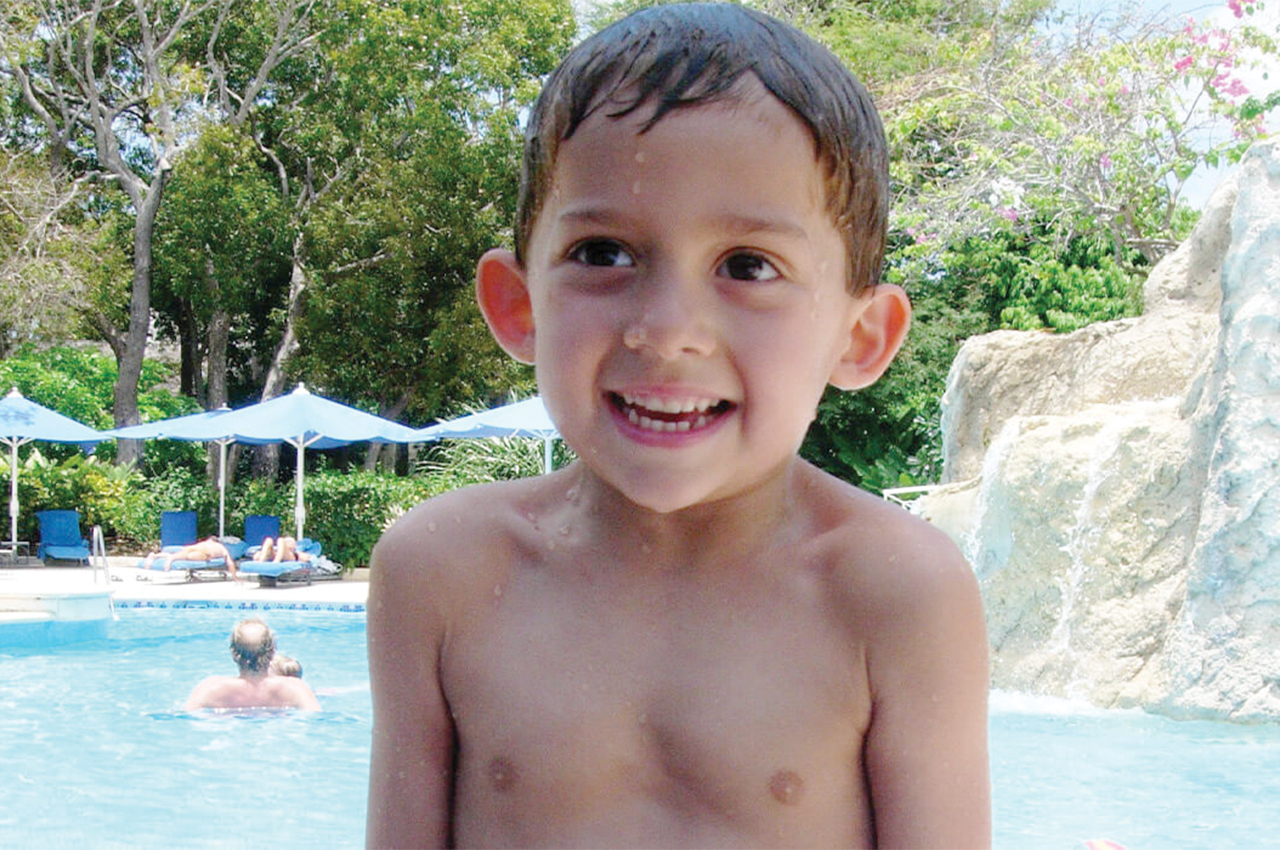
Drowning is the leading cause of unintentional death for children younger than four and the second cause of unintentional death for children younger than 14. “We knew if we could just keep one child from drowning and one parent from going through what we did, we will have done our job,” says Karen. “We also understand that drowning is preventable with the right information and training.”
But how to get the word out? They began at school systems, offering assemblies on water safety. After a few no’s, they pitched the idea of a camp to the Boys & Girls Club of Greenwich, an organization that was familiar with Zachary’s tragedy. The couple agreed to run a pilot program of the first ZAC Camp, an endeavor so successful it began to spread. The Zac Foundation has now hosted 150 camps at more than 50 Boys & Girls Clubs across 28 states, kick-starting water safety skills to more than 20,000 children.
Megan Ferraro, who began working with the Cohns, first as a consultant and now as executive director of the foundation, explains that each Boys & Girls Club camp site receives a monetary grant from the foundation to offset all costs. In addition, each camper receives a copy of the ZAC Foundation’s children’s book, The Polar Bear Who Couldn’t, Wouldn’t Swim, a tote bag, lanyards, T-shirts, wristbands and swim caps, if needed.
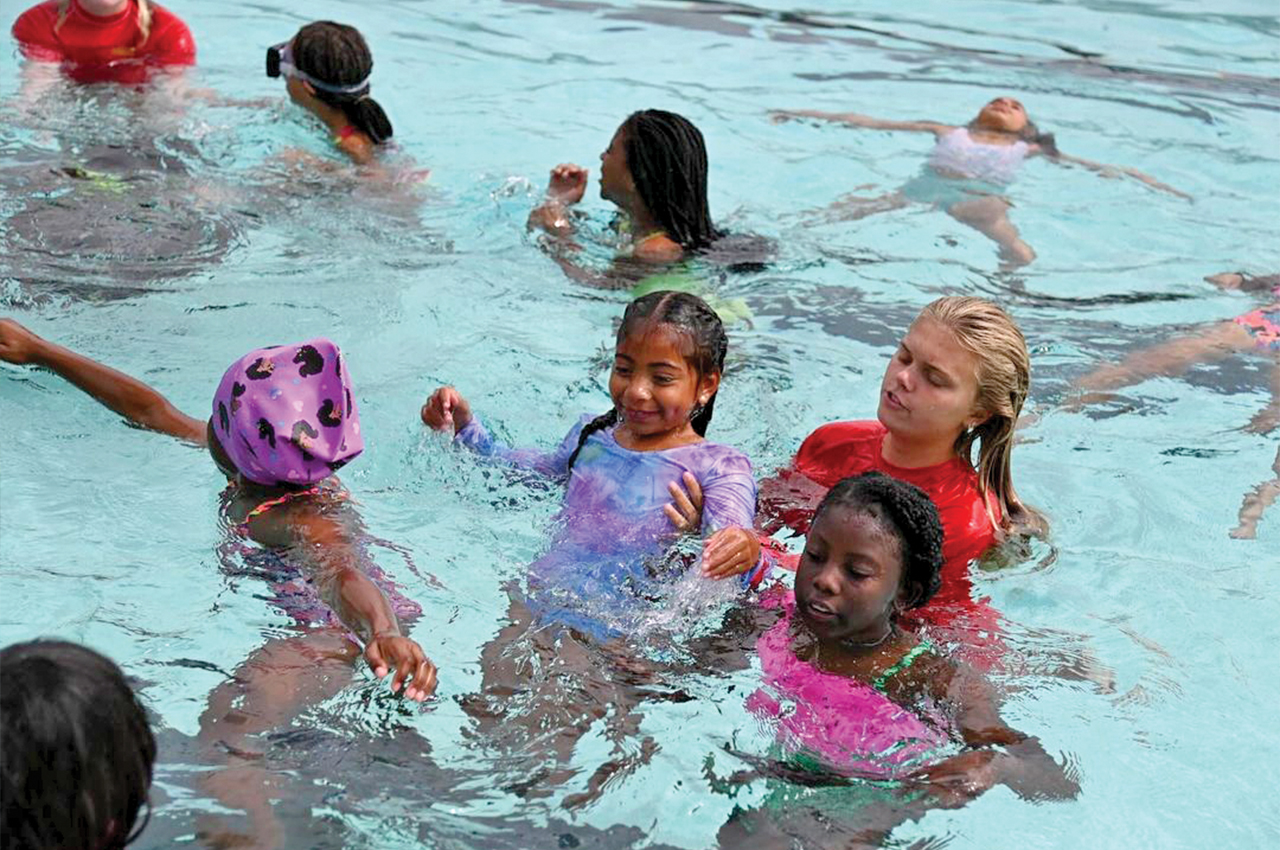
Ferraro explains that camp days are divided into three stations: in-water swim lessons, classroom activities and meet-and-greets with local first responders. ZAC Foundation staff lead the camps.
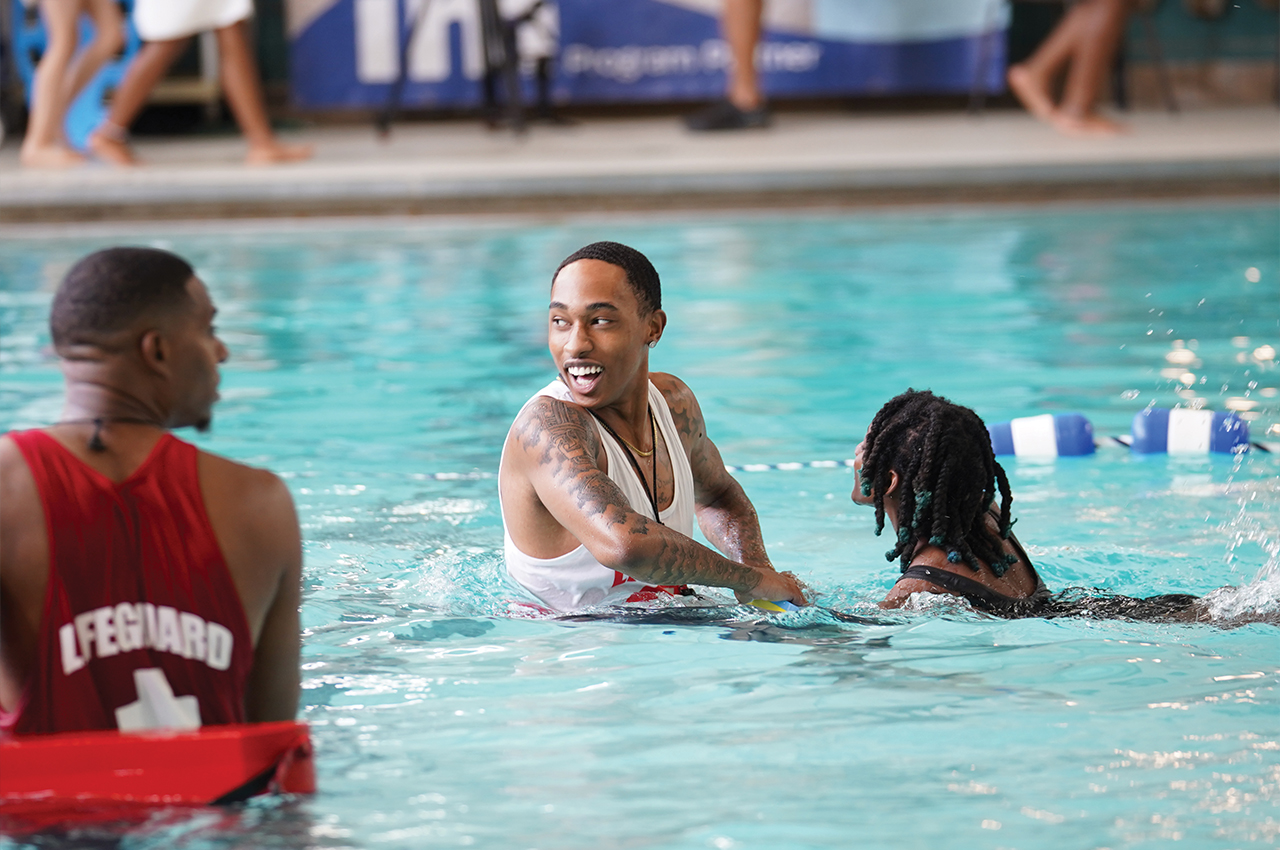
Boys & Girls Clubs reach many children in urban areas, some of whom are afraid of first responders. “Many of them have had bad experiences, because the situation was an emergency,” Karen explains. “By bringing the first responders into the camp, they can experience positive interactions in a non-emergency situation.”
The campers learn not only about pool safety, but safety around any body of water, including rivers, ponds and canals. The foundation also involves local media in order to spread the message of water safety to the community.
“With the camps running smoothly, we wanted to do more, and began working with communities to develop prevention action plans,” Karen explains.
One example is their partnership with the Ben Carlson Memorial & Scholarship Foundation in Newport Beach, California, which promotes beach and ocean safety and higher education for lifeguards. Together, they created the California Water Safety Coalition to fill a leadership gap in the state’s water safety sector and lead statewide strategy in the development, implementation and evaluation of water safety policy and education programs.
As the foundation has grown, Karen now finds herself traveling throughout the United States, participating in conferences, including the National Water Safety Conference and the California Water Safety Summit. Additionally, she was one of a handful of Americans who spoke at the World Conference on Drowning Prevention in Australia.
“We will never stop,” she adds. “There is still so much to be done. This work provides so much healing for me. When you lose a child, it becomes part of your life story that stays with you forever. Through this work, I am raising Zachary without physically raising him.”
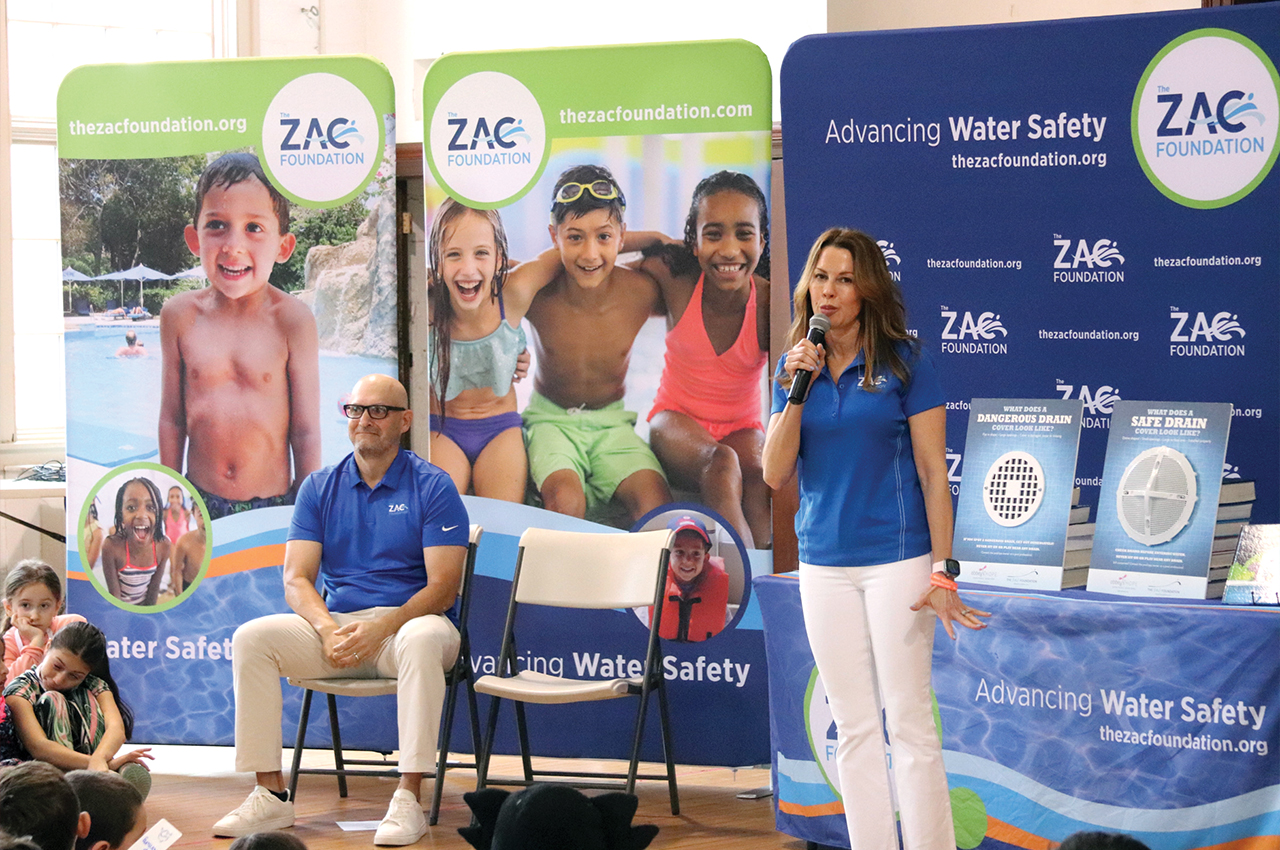
WHAT IS POOL AND SPA DRAIN ENTRAPMENT?
Drains are one of the most dangerous components of a pool or spa. Entrapment occurs when a person is trapped by the suction power of the drain, which is equivalent to hundreds of pounds of force (300 pounds per square inch). Such force is too strong for a child or even an adult to escape.
President George W. Bush signed the Virginia Graeme Baker Pool and Spa Safety Act in 2007, requiring pools and spas to have anti-entrapment drain covers, which are dome shaped instead of the old flat shape. Since the law went into effect, there have been no reported fatalities involving a child being entrapped on a suction outlet cover in a public pool or spa. The legislation was passed soon after Zachary Cohn’s July 2007 death in the backyard pool.
Karen Cohn says that pool service companies know the correct type of drain covers, but if the pool is serviced by the homeowner, there might be some older, dangerous models still in use. It is also important to know that the new drain covers come with expiration dates.
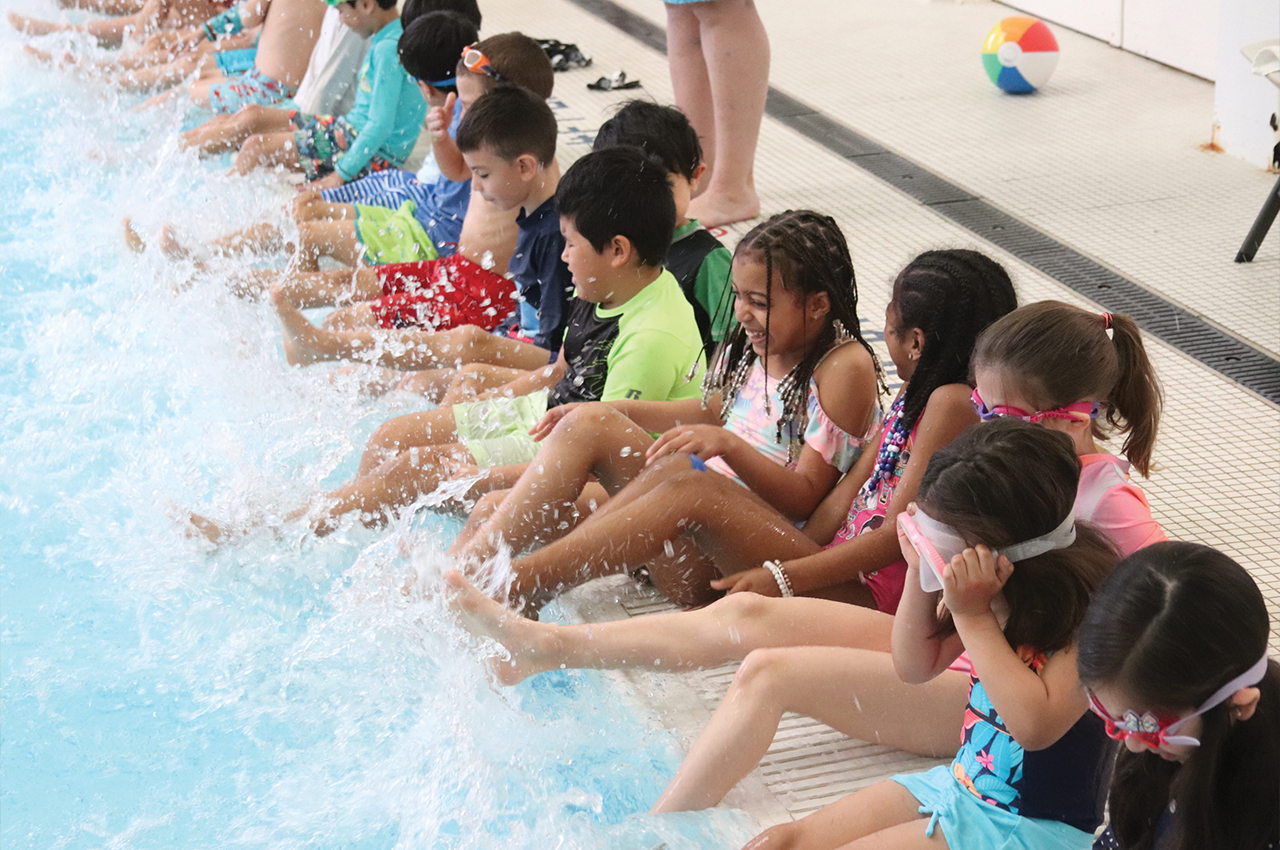
ARE DROWNINGS PREVENTABLE?
Drowning is silent and 100-percent preventable, according to the ZAC Foundation, which emphasizes the A, B, C and Ds of drowning prevention.
A: ADULT SUPERVISION
Always have an adult present with children around any body of water. Always keep your eyes on children with zero distractions from cell phones, chores or other disturbances.
Have a phone nearby, and be sure everyone knows how to call 911. Karen suggests that when hosting a home pool party, either hire a lifeguard or set up shifts of 15 minutes with adults so there is always someone watching the children and teens.
B: BARRIERS
Install a regularly inspected fence with a lock and key that goes around your pool. Keep the key out of reach of children. Install an alarm that beeps if doors or windows to the pool are open, and one that goes off when the surface of the water is disrupted by movement.
Teach children not to enter a pool area until an adult has opened the pool gate.
C: CLASSES
Families should take safety classes, including swimming and water safety for children and CPR and First Aid for adults. You can also hold safety lessons at home for the family.
D: DRAINS AND DEVICES
Teach all swimmers to stay away from all pool and spa drains.
Wear a U.S. Coast Guard-approved life jacket if you’re on open water.
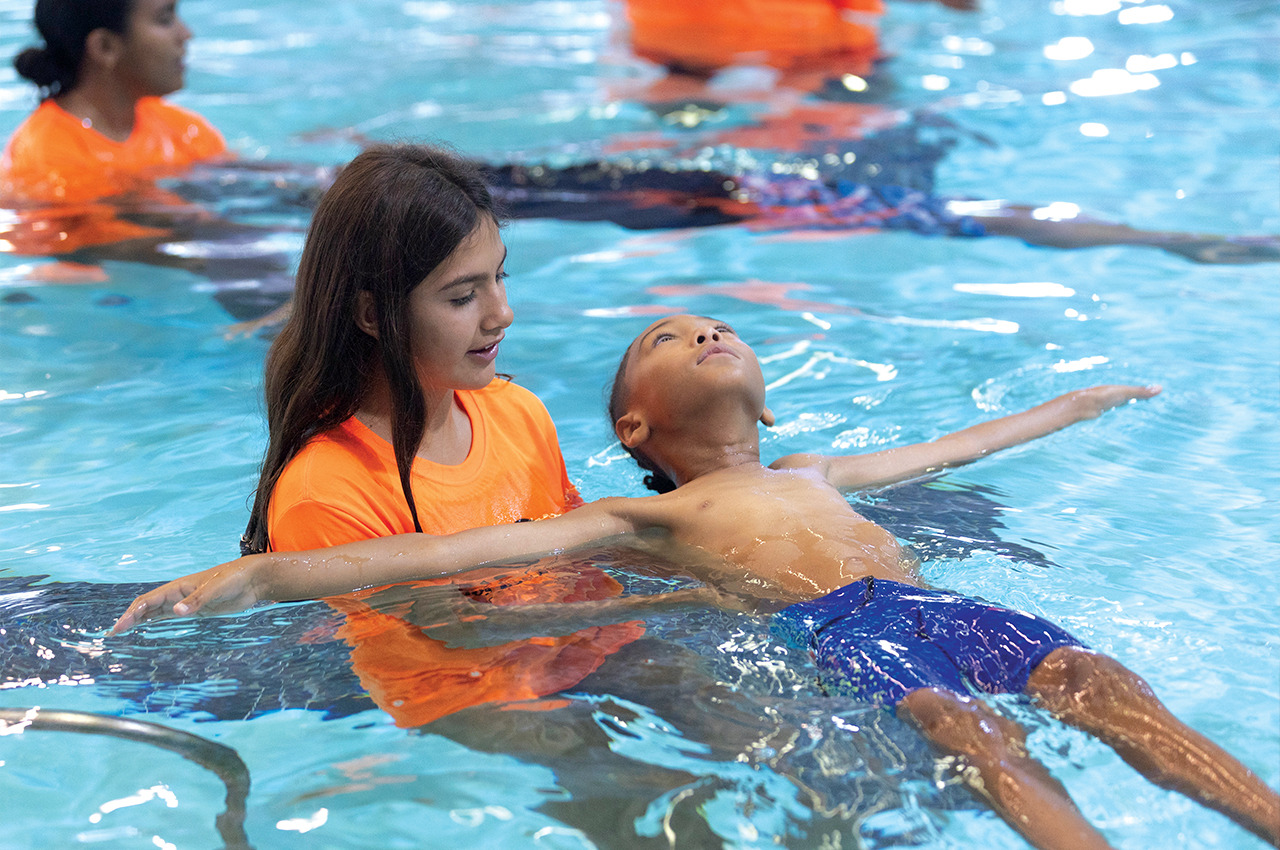
WHAT SHOULD YOU DO WHEN YOU SEE SOMEONE DROWNING?
If there’s a lifeguard on duty, alert them immediately.
Only enter the water if you have the strength and skill to do so, as attempting a rescue can put you in danger of drowning.
If the person is conscious, throw a life ring, rope or other flotation device to assist them.
When pulling a near-drowning victim from the water, immediately call 911, and begin CPR, if necessary.