



above: Petite Rosé is a sparkling alcohol-free beverage also made from pressing unripe grapes into a uniquely refreshing drink.
Photographs: images Courtesy of Wölffer Estate Vineyard
In the rolling hills of the Hamptons, where rows of vines stretch toward the Atlantic light, and the rhythm of the seasons defines both wine and life, Wölffer Estate has long stood as a symbol of elegance, heritage and modern sensibility. For decades, it has been synonymous with summer, rosé in hand, sunsets over the vineyard and a lifestyle that feels both aspirational and grounded.
To be fair, I know it quite well. Formerly the editor-in-chief of Hamptons Magazine, prior to moving to Connecticut and helming Westport, Weston & Wilton Magazine, I worked for years with the team at Wölffer, collaborating closely with Joey Wölffer and her husband, Max Rohn, and watching them evolve a beloved vineyard into a global brand. The journey continues for them, and now, under Joey’s vision, the estate is entering a new chapter, one that reflects not just how we drink, but how we live.
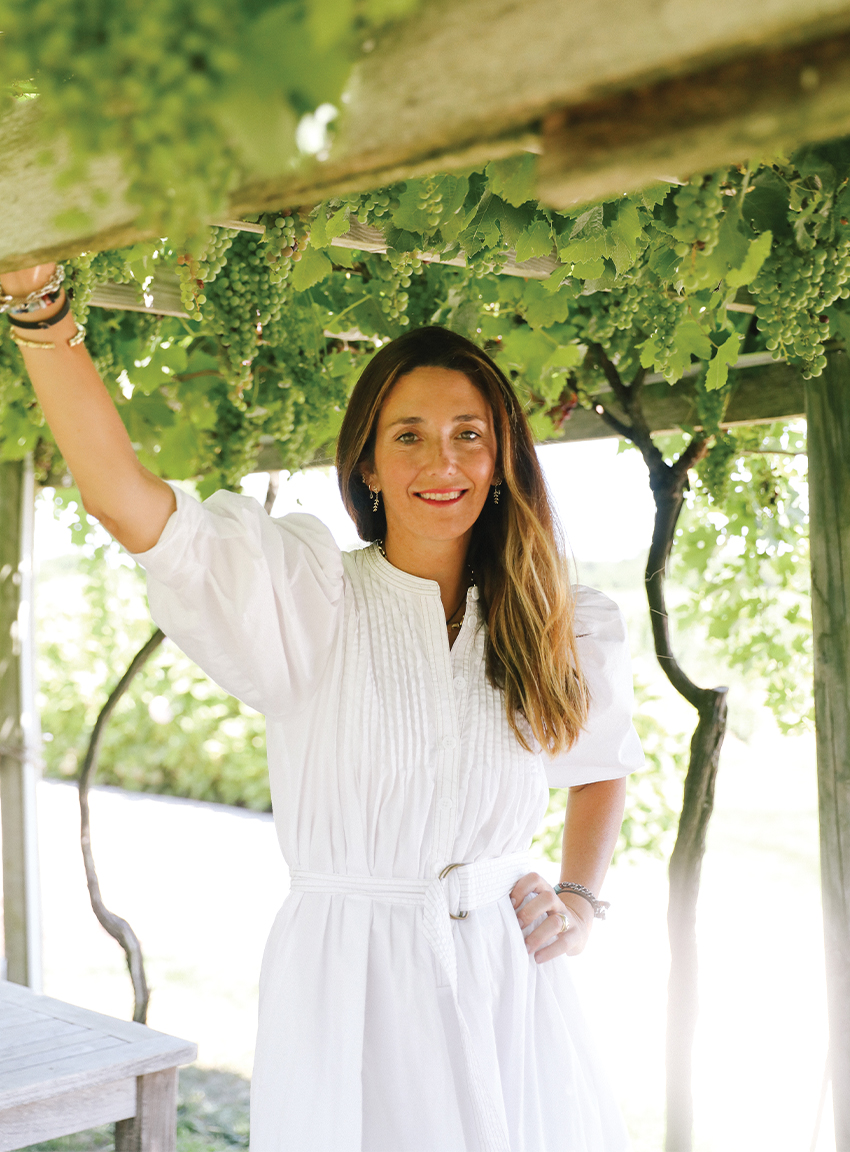
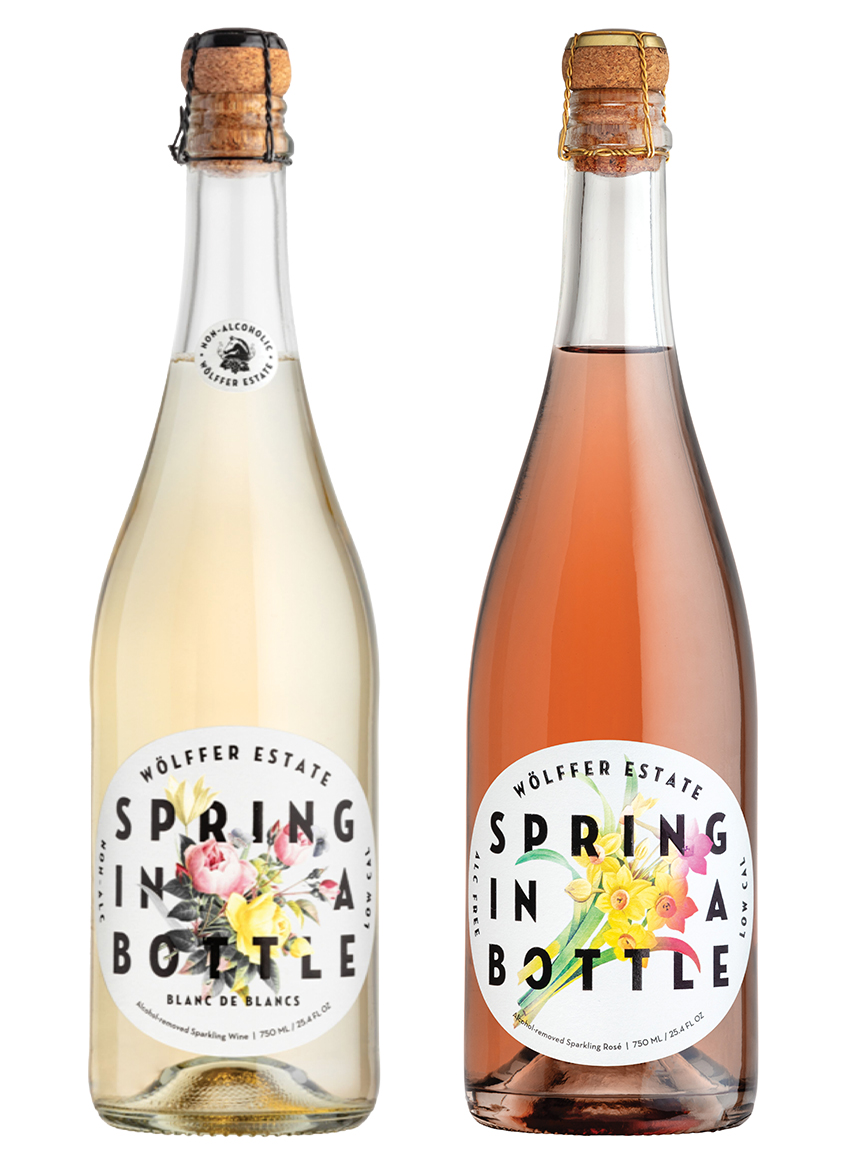
With the unveiling of Spring in a Bottle Blanc de Blancs, an alcohol-removed sparkling white wine, Wölffer Estate is embracing a cultural shift that has been quietly, and then suddenly, reshaping the wine world. This is not a departure from tradition, but rather an evolution from that heritage: an acknowledgment that balance, the very principle at the heart of great winemaking, extends far beyond the glass.
“For us, balance has always been everything,” Wölffer says. “It’s in the vineyard, it’s in the wine, and it’s in the way we approach life. This felt like a natural next step.”
THE NEW BLANC DE BLANCS joins the estate’s alcohol-removed rosé, expanding a category that until recently struggled to gain legitimacy among serious wine producers. But times have changed. Today’s consumer is more intentional, more health-conscious, and more interested in moderation without sacrificing experience. Wölffer Estate’s answer is not to dilute its identity, but to reinterpret it.
That philosophy feels particularly resonant now. The non-alcoholic market for wine, spirits and beer has expanded at a remarkable pace, driven by a growing emphasis on health, mindfulness and well-being. Industry projections estimate North America will become the most important market globally, with growth rates exceeding 8 percent. But beyond the numbers lies a cultural shift: choosing not to drink no longer means opting out. From concerts to dinners to vineyard visits, the experience remains, just redefined.
FOR WÖLFFER ESTATE, THIS MOMENT HAS BEEN DECADES IN THE MAKING.
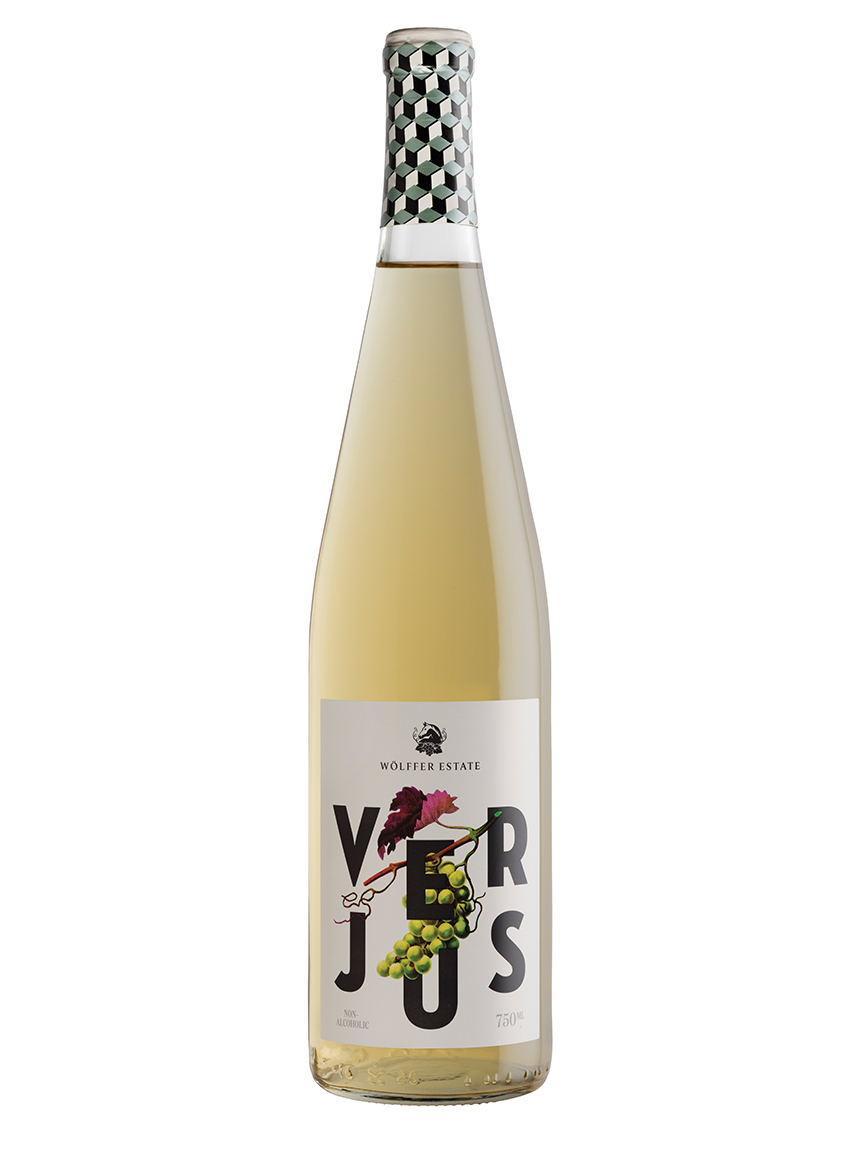
Long before “non-alcoholic” became a fixture on wine lists and at dinner tables, the vineyard was already quietly ahead of the curve. In 1996, Wölffer introduced its Verjus, crafted by pressing unripe grapes and quickly chilling the juice to preserve its natural acidity and complexity. Bright, layered and remarkably versatile, it set a precedent for what non-alcoholic offerings could be: intentional, sophisticated and rooted in the same care as traditional wines.
From there came Petite Rosé, a sparkling, alcohol-free beverage that reimagined Verjus in a more casual, ready-to-enjoy format. Packaged in individual bottles, it brought a sense of playfulness to the category without sacrificing elegance. As writer Hannah Selinger described it, the wine is “lively, refreshing, ruthlessly charming”—a drink that invites indulgence without consequence.
THESE EARLY INNOVATIONS NOW READ AS PRESCIENT.
While many wineries are only beginning to explore non-alcoholic options, Wölffer Estate has spent nearly three decades refining its approach, developing a portfolio that now includes Spring in a Bottle, Petite Rosé and Verjus, each tapping into a different expression of the same idea: that abstaining from alcohol should never mean sacrificing taste, ritual or beauty.
That experience is evident in Spring in a Bottle, first introduced as a rosé in 2021 after extensive research by co-owner and Chief Strategy Officer Marc Wölffer. Inspired by the rapid growth of non-alcoholic wines in Europe during the pandemic, he and his team sampled dozens of options before partnering with a small, family-owned vineyard in Germany to achieve the quality they sought. The result was a breakthrough. The rosé earned praise from critics, including Florence Fabricant of The New York Times, who called it “a winner in its category,” noting its delicate floral bouquet and white peach notes, proof that complexity and balance could exist without alcohol.
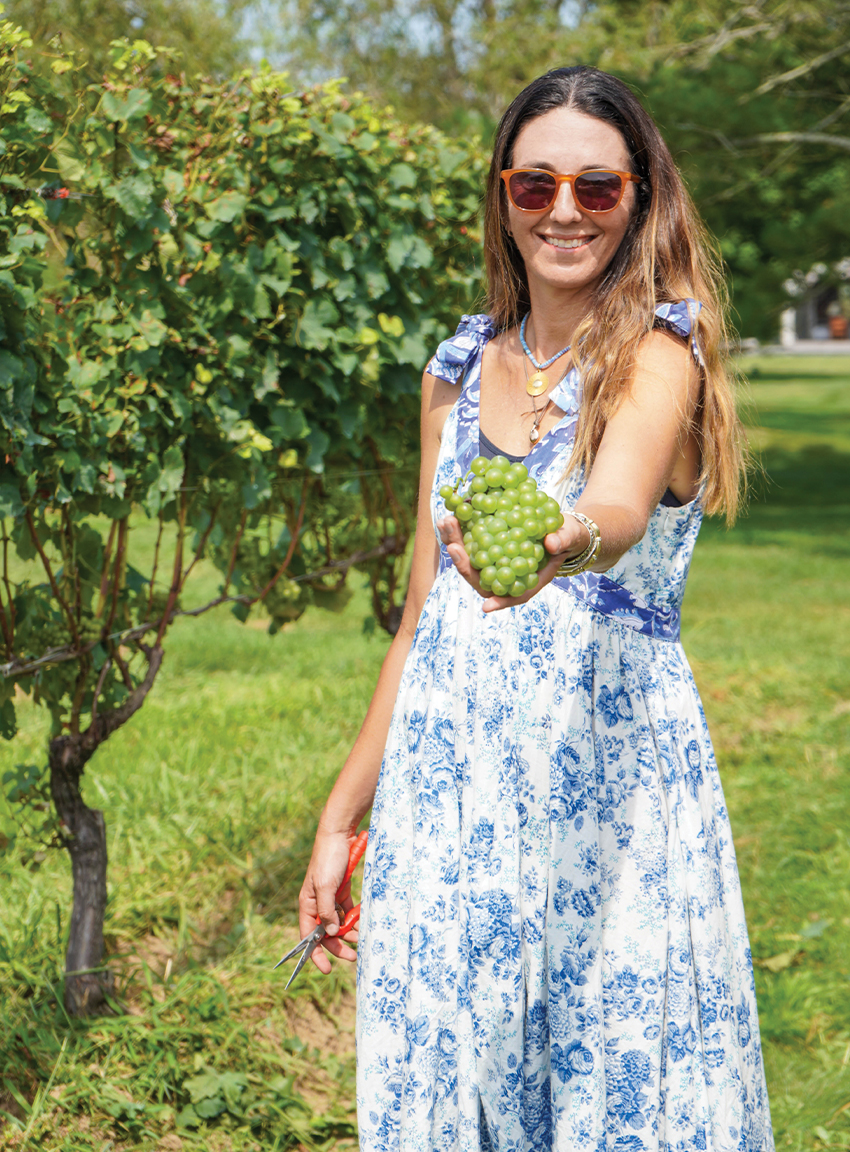
NOW, WITH THE DEBUT OF THE BLANC DE BLANCS, THAT VISION EXPANDS.
Crafted from Airén grapes sourced from Spain, one of the most resilient and widely planted varietals in the world, the wine begins its life like any other carefully considered vintage. Known for its fresh, fruit-forward profile, Airén offers subtle notes of apple, citrus and soft tropical fruit, creating a clean and vibrant base. From there, the wine undergoes a meticulous process of vacuum distillation in the Moselle Valley, where alcohol is gently removed while preserving the wine’s structure, aroma and integrity.
The result is a sparkling white that feels anything but compromised. Pale yellow in hue, it opens with delicate floral notes, white peach and cantaloupe. On the palate, a fine, lively mousse carries pure fruit flavors balanced by a touch of residual sweetness. It is crisp, refreshing and unmistakably Wölffer, elegant, expressive and designed for pleasure.
Yet what makes this launch particularly meaningful is not just the product itself, but where it comes from.
Wölffer Estate has long been a cornerstone of Long Island’s wine identity, helping to elevate the region into a globally recognized destination. Its success has been built not only on quality, but on a deep sense of place—sunlit vineyards, ocean breezes and a commitment to craftsmanship that honors both tradition and innovation. To see a winery with such a legacy step confidently into the non-alcoholic space signals something larger: a validation of the category from within the heart of tradition.
“The world of non-alcoholic beverages has grown vastly,” notes winemaker Roman Roth. “What’s different now is the approach, this idea of everything in moderation, without sacrificing taste.”
That distinction matters. For years, non-alcoholic wines struggled with a negative perception, often dismissed as overly sweet or lacking depth. Today, producers like Wölffer are redefining expectations, proving that the same principles that guide great winemaking, balance, structure, nuance, can exist in this space as well.
“This isn’t about replacing anything,” Wölffer explains. “It’s about adding to the experience. There are moments when you want a full glass of wine, and there are moments when you don’t, but you still want something beautiful, something celebratory.”
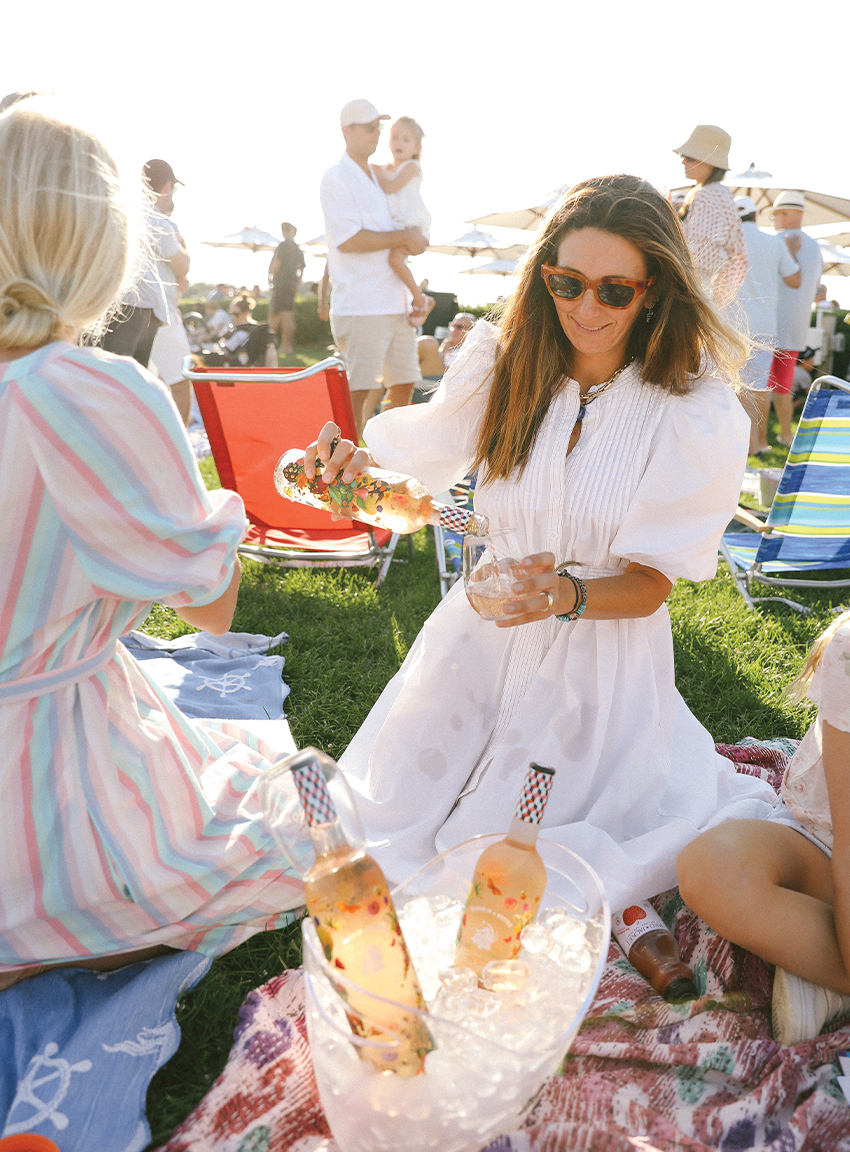
That philosophy resonates far beyond the vineyard. The modern definition of luxury has shifted, becoming less about excess and more about intention. It’s found in the long, unhurried lunch, the golden hour gathering, the afternoon by the pool, the multicourse dinner that unfolds over hours. These are the moments where Spring in a Bottle Blanc de Blancs finds its place. It pairs effortlessly with seafood, spicy dishes and passed hors d’oeuvres, but its true appeal lies in its versatility, equally suited to a celebration, a casual afternoon, or as the base for a thoughtfully crafted alcohol-free cocktail.
There is also something quietly radical about producing a non-alcoholic wine at a brand so steeped in tradition. It challenges the notion that innovation and heritage must exist in opposition. At Wölffer Estate, they are intertwined, each informing the other, each pushing the boundaries of what wine can be.
For Joey Wölffer, this is not just about meeting a trend; it is about shaping the future of the industry while honoring its past. About recognizing that the next generation of wine drinkers is not abandoning wine, but redefining their relationship with it.
And so, as the vines prepare for another season, and the Hamptons, just a ferry ride away, once again become a backdrop for summer rituals, Wölffer Estate offers something new. Not reinvention, but refinement. Not compromise, but balance.
In a world that increasingly asks us to choose between pleasure and wellness, Joey Wölffer is making a compelling case that we don’t have to.
Sometimes, the most elegant solution is simply to pour another glass—just a different kind.
SIP AND SHOP
A SAMPLING OF WHERE WÖLFFER’S LINEUP IS AVAILABLE LOCALLY.
Take a Sip:
Felice
38 Main St,
Westport, CT 06880
475-363-4750
Grab a Tote and Shop:
Ancona’s Wines & Liquors
5 River Rd,
Wilton, CT 06897
203-210-7399
Black Bear Wines and Spirits
221 Post Rd W Ste 2,
Westport, CT 06880
203-227-2468
Castle Wine & Spirit
1439 Post Rd E,
Westport, CT 06880
203-259-5948
Greens Farms Spirit Shop
1250 Post Rd E,
Westport, CT 06880
203-227-7889
Kindred Spirits and Wine
1790 Post Rd E,
estport, CT 06880
203-259-3939
Sipstirs
203 Danbury Rd,
Wilton, CT 06897
203-210-7725
The Grapevine
345 Main St,
Westport, CT 06880
203-557-8811