







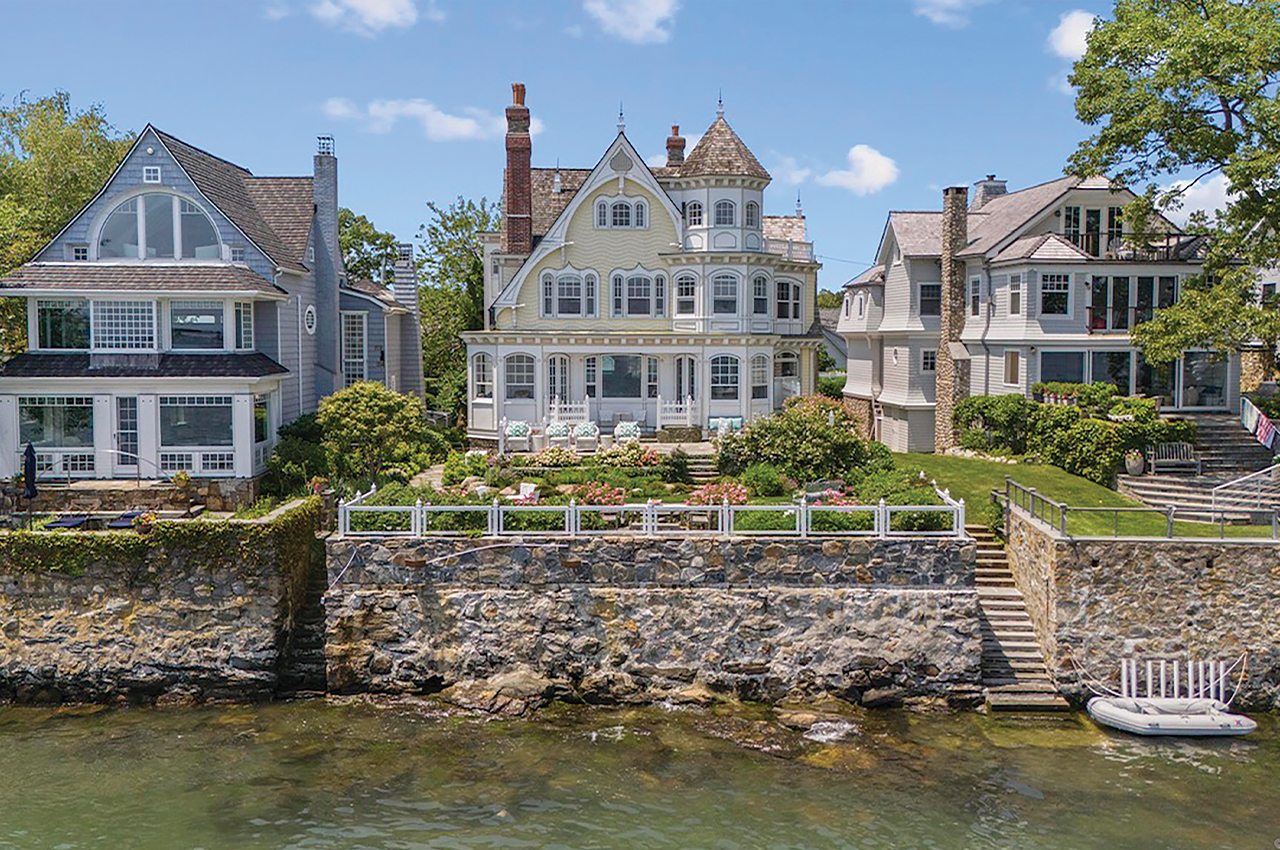
This stunning Bell Island residence a(center), listed by Candace Blackwood of Berkshire Hathaway, drew competitive offers and ultimately sold by Liz Beinfield of Compass for $6.605M, well above its asking price.

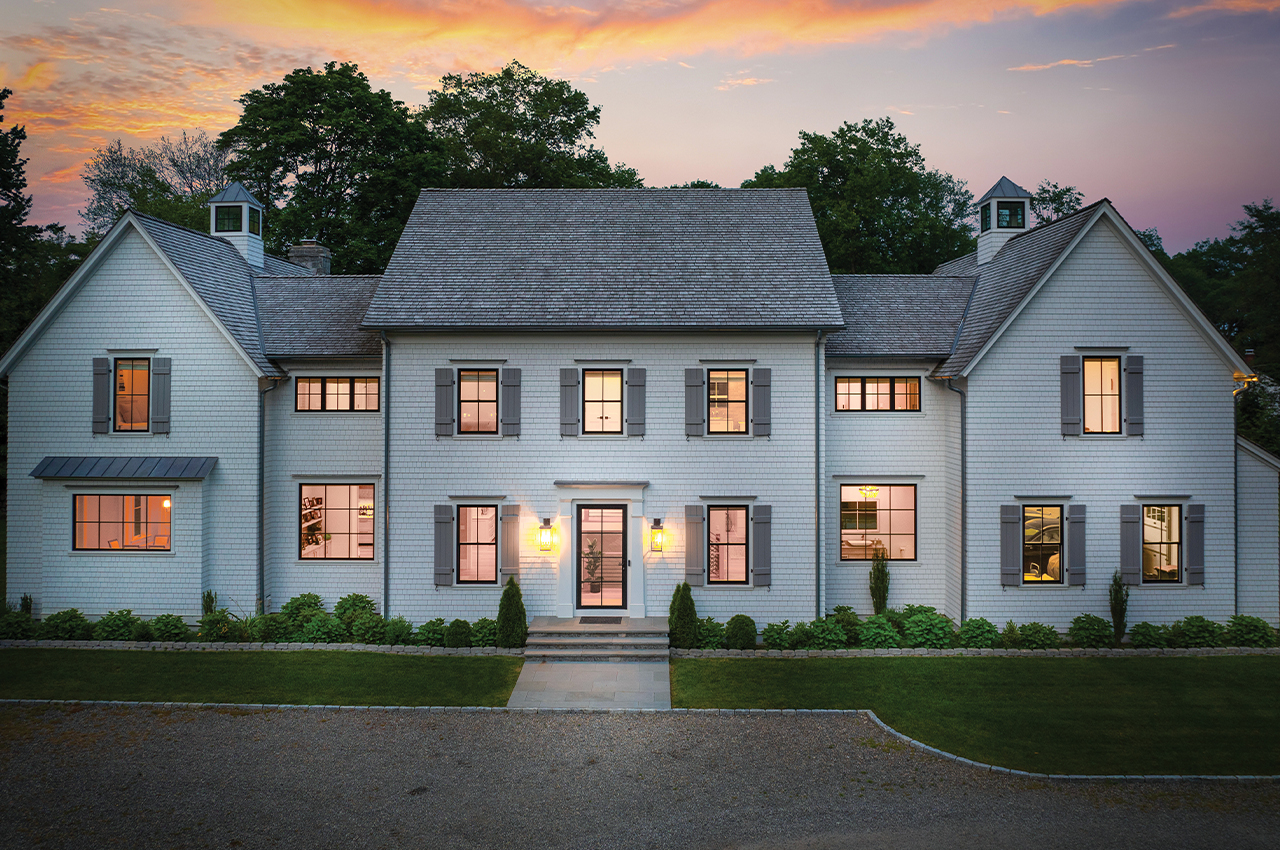
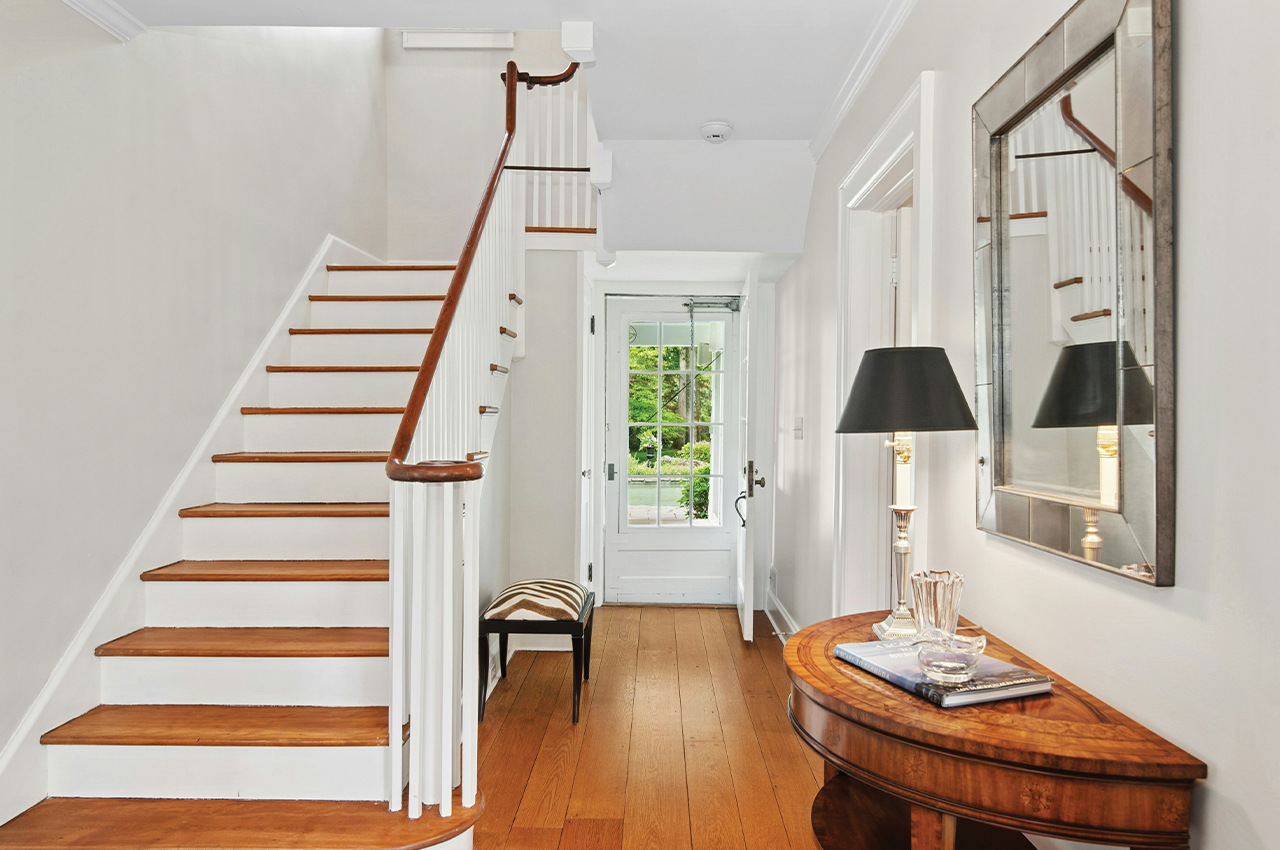
Darien’s real estate blends beauty, style and strong market performance—with this landscaped pool on Old Oak Road (listed by Kristin Nemec, William Pitt Sotheby; sold by Janine Tienken at Houlihan Lawrence for $4.425M; to this classic exterior on Hollow Tree Ridge Road (listed by Carla Kupiec, William Raveis; sold by Amy Barsanti, William Pitt for $4.9M; to the bright, airy entryway on Sunset Road (listed by Amy Barsanti, William Pitt Sotheby’s International; sold by Pam Pokorny, Compass for $3.4M).
New Canaan, Darien and Rowayton have long been coveted by those seeking a home in a close-knit community, near the water and just a short trip from New York City. The desire for suburban living in these quaint towns, with top-ranking schools and exceptional athletic programs, continued to draw record numbers of buyers throughout 2025. “This year’s market followed the previous year’s trend. Right now, the Fairfield County market still leans in favor of sellers, but the pace has shifted from the turbocharged days of the pandemic. No more 12 offers in 12 minutes while someone FaceTimes from baggage claim at LaGuardia—although it could still happen.” says Meg Schwanhausser of Compass Real Estate.
High demand and low inventory strained buyers and escalated competition for the limited homes available. New listings saw immediate interest and sold quickly. Home values increased significantly, especially for homes priced above $1.5 million.
“One notable surprise this year has been the rise in off-market transactions occurring before homes ever reach the MLS. Off-market listings can only be shared within a brokerage; once another firm is informed, the property must be listed publicly,” says Cindy Cash of William Raveis. “However, in markets dominated by a few large brokerages, agents can introduce in-house exclusives to buyers before the broader market sees them. Given how competitive the landscape remains, many buyers are willing to pay a premium to secure a property off-market, allowing sellers to complete transactions quickly and discreetly.”
BUYERS
Trends and Motivations
Potential buyers from both near and far continue to value lower Fairfield County, driving competition and interest.
“Buyers this year were taking a little breath before making decisions and moving with more intention. It’s not just about beds, baths and square footage anymore; buyers are choosing homes that reflect the lifestyle they want—walkability, community, privacy, outdoor space and functional spaces. At the end of the day, they’re buying the way they want their lives to feel, not simply the walls around them,” says Schwanhausser.
Mike Krahn, who recently relocated from Arkansas with his family, says he was drawn to New Canaan because of the pride their friends who already lived here expressed about the town. “Everyone we talked to about even looking for a home lit up, almost like they had a secret they couldn’t hold in anymore,” he says.
Local moves—from families seeking larger homes to couples downsizing—were a common trend, adding pressure to an already constrained market. “Apart from the schools, we wanted to be by the water, have easy access to our jobs in Stamford and New York, and live somewhere with a small-town feel and strong sense of community. Darien checked all those boxes for us,” says Torey Saager, who relocated from Rowayton to Darien.
Expectations vs. Experience
“We knew it was going to be hyper-competitive. We prepared ourselves for bidding wars and losing out on homes, but it was still more intense than anticipated,” says Krahn. Multiple offers and bids far above asking were common. Buyers found creative ways to win, from all-cash offers to waiving mortgage contingencies and inspections.
“We were prepared for the worst, hoping for the best. We were surprised by how many people didn’t want to do any work on a home and how much of a premium buyers were willing to pay for turnkey homes,” says Saager, who purchased a home needing mprovements and chose to take on a project with a vision.
“While the American Dream of homeownership is still alive, Fairfield County’s inventory squeeze is giving many buyers a bout of insomnia,” says Gillian DePalo of William Raveis. Low inventory is driving rising home prices and a lucrative seller’s market that can frustrate unprepared buyers.
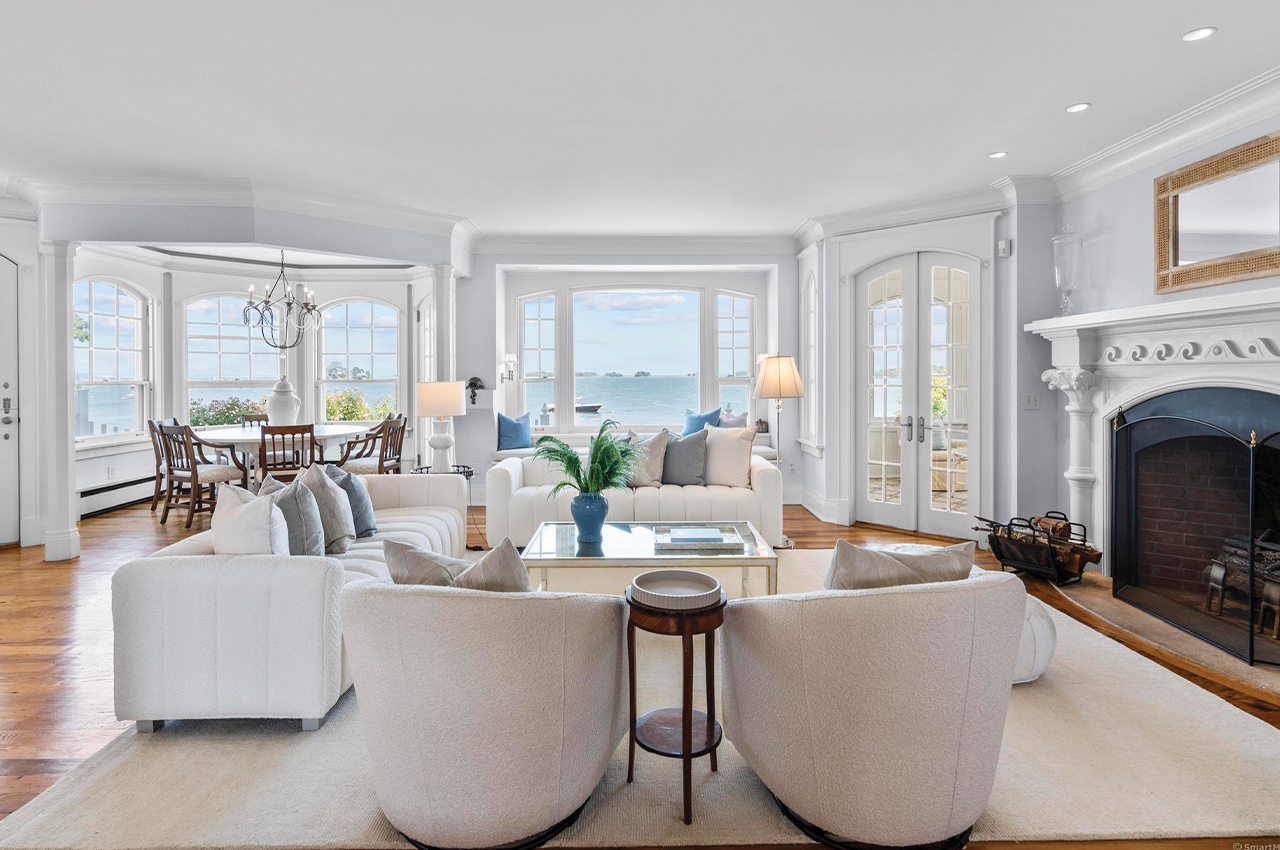
This house on Bell Island in Rowayton sold for more that $1.5 million over asking and it’s easy to see why. This iconic waterfront Victorian boasts spectacular gardens, a spa-topped stone patio and four floors of beautifully designed living spaces. From turret rooms to open entertaining areas, it’s pure coastal luxury. (Listed by Candace Blackwood of Berkshire Hathaway.)
What Mattered Most
“Buyer expectations have risen across the board. In the $1.5–$3 million range, move-in ready homes command the strongest interest and pricing. Above $4 million, buyers focus on architectural quality, privacy, and lifestyle features rather than sheer size. Today’s buyers are far less willing to compromise,” says Lynley Middleberg of William Pitt.
“In our price range, we knew we would have to sacrifice on some things, so we focused on what made us happy, and what didn’t, in our previous four home purchases,” says Krahn. They decided an open layout was most important, with the kitchen serving as the heart of the home.
Buyers willing to renovate had more purchasing power. The Saagers wanted a home they could improve and make their own. “Good bones and future potential mattered, as did a large, flat yard—which proved more challenging than expected,” says Saager. You can change aspects of a home, but not the neighborhood or land.”
NEGOTIATIONS
“Transparency has been one of the biggest challenges. With more off-market activity, buyers and agents often compete for information before competing on price. Deals can move quickly or stall unexpectedly, making strong relationships critical. Coordinating with a client’s broader advisory team has become essential.”
—Stacy Book, William Raveis
“We realized there wasn’t going to be a steal. We stayed ready to make aggressive offers within 24 hours, tried not to get overly attached and had a number to stick to.”
—Mike Krahn, homeowner
“We were disciplined with bids, taking emotion out and sticking to a number. This helped us avoid disappointment if we lost
a house.”
— Torey Saager, homeowner
ADVICE FOR BUYERS
“Buyers should act when the right opportunity arises and understand their financial comfort level in advance.”
—Stacy Book, William Raveis
“My advice: Focus on preparation, not prediction. Understand your buying power and be ready to act when the right property comes along. Inventory still represents less than four months of supply, favoring sellers.”
—Lynley Middleberg, William Pitt
“Be patient. It takes time and some frustration, but you’ll wind up where you are supposed to.”
— Torrey Saager, homeowner
SELLERS
Expectations vs. Experience
The gap between seller expectations and real-world experience narrowed in 2025, as a still-strong market demanded greater strategy and precision. “One key metric is Months of Supply—measuring how long it would take to sell all homes at the current pace. One to three months indicates a seller’s market; three to six months, neutral; above six months, a buyer’s market,” says Cindy Cash of William Raveis.
In 2025, sellers could confidently list homes knowing they’d attract buyers immediately but listing required strategy. “Sellers are more strategic now. ‘Price high and see what happens’ is fading, replaced by pricing with purpose,” noted Schwanhausser.
Prep work—decluttering, staging, touch-ups—mattered as buyers respond to the immediate impression upon entering. Sellers wanted more control over presentation, off-market windows, selective showings and timing flexibility.
Homes continued to sell well above asking price, often with multiple offers. “We expected our house to sell, but not so quickly. Our realtor brought buyers through off-market, and we were happy accepting the first offer,” remembers Saager.
“One unusual mantra: it’s nearly impossible to underprice a home. Buyers are savvy; if a home lingers for two weeks, it’s usually priced too high,” says Candace Blackwood of Berkshire Hathaway.
The sunroom at Round Meadows in Darien features a stylish bar and French doors opening to terraces and gardens, creating serene indoor-outdoor living. The estate is located in the Tokeneke Association, surrounded by protected land trust property. It’s listed by Robin Stineman of William Pitt Sotheby’s International for $9.35 million.
What Mattered Most
Location and home condition remained top priorities. Closing dates, price and contingencies favored sellers.
“There were a few factors motivating our sale, but the main one was outgrowing our house. We loved our neighborhood and considered renovating or rebuilding, but financially it didn’t make sense with the strong market,” says Saager.
ADVICE FOR SELLERS
“Buyers were cautious and tired. Having options for where to go if they sold is key. The takeaway: Avoid market fatigue with a solid strategy for winning bids efficiently.”
— Gillian DePalo, William Raveis
“Preparation is power: present your home thoughtfully and give buyers a reason to picture their future there. Set the table. Fresh greens. Playlist. You’re selling belonging, not square footage.”
—Meg Schwanhausser, Compass
“Timing never feels perfect, so if you’re thinking about it, it’s probably time. Make a list and prioritize—price, convenience, timing.”
— Torrey Saager, homeowner
NEW BUILDS & RENOVATIONS
Client Trends
Tight inventory led buyers to rethink what their ideal home looks like—and how to achieve it. “Because inventory has been so sparse, many homebuyers have been desperate to find anything that comes close to suiting their needs,” says Neil Hauck of Neil Hauck Architects. “This often means that they buy a house with obvious shortcomings and then hire us to turn that house into their dream house by renovating and adding on.” Hauck also found fewer clients wanting to tear down existing houses, opting instead for renovations or add-ons.
Since 2020, architectural trends have evolved, but one constant is people spending more time at home. High-end entertainment spaces—with gyms, saunas, pools, etc.—remain high priorities.
Hobbs adds that another trend gaining momentum is smaller main houses paired with outbuildings such as barns, pool-houses and wellness centers. “This makes for a more intimate primary home without compromising on flexibility.” Outbuildings are also ideal for high-end entertainment features. “Everyone wants a golf simulator right now. Older houses often don’t have the ceiling height required, so we house them in outbuildings as adult playhouses and entertaining retreats,” says Ryan Salvatore of Burr Salvatore Architects.
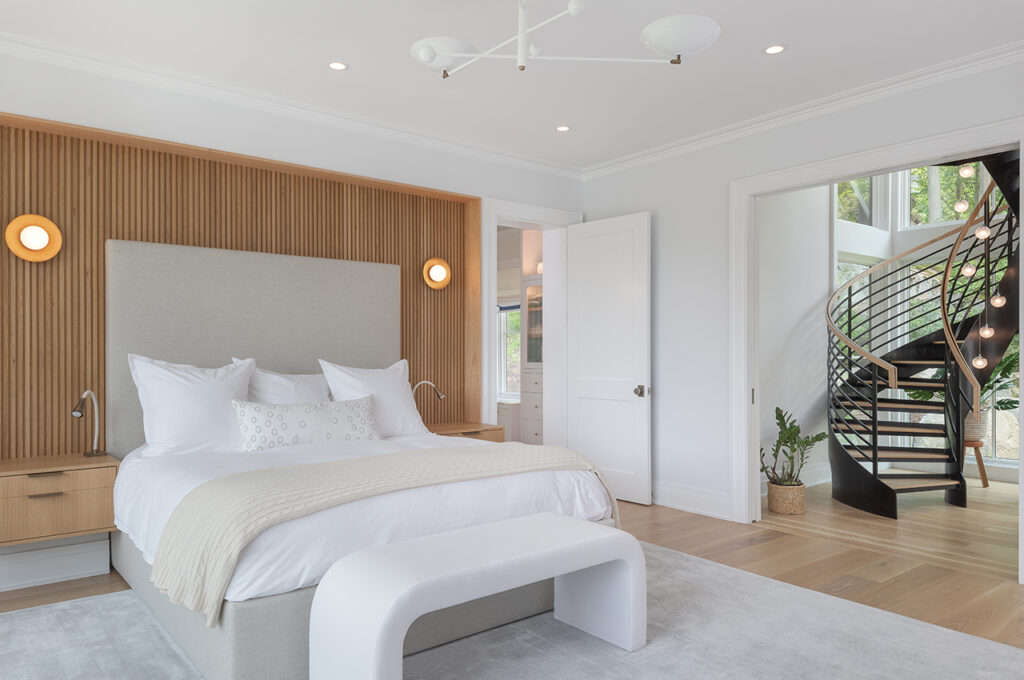
Designed by Neil Hauck Architects, this sunlit Gorham’s Pond bedroom features sleek pocket doors and a striking spiral staircase framed by soaring windows, blending modern design with light-filled elegance.
Design Trends
The 2025 design trends emphasize functionality, energy efficiency, open spaces and fewer unused small rooms. Modern kitchens, European cabinetry and minimal wood trim stood out this year.
Erin Shairzay, architectural product specialist at Ring’s End, has found that common projects included traditional front façades, light, airy additions in the back, large windows and unexpected material changes. Ian Hobbs of Hobbs, Inc. has also seen a demand for mixing materials, both on the interior and exteriors of homes. He also notes that while transitional interiors remain strong, “formal powder rooms have evolved into jewel boxes,” featuring custom vanities, lacquer, hand-painted wallpaper and exotic stone.
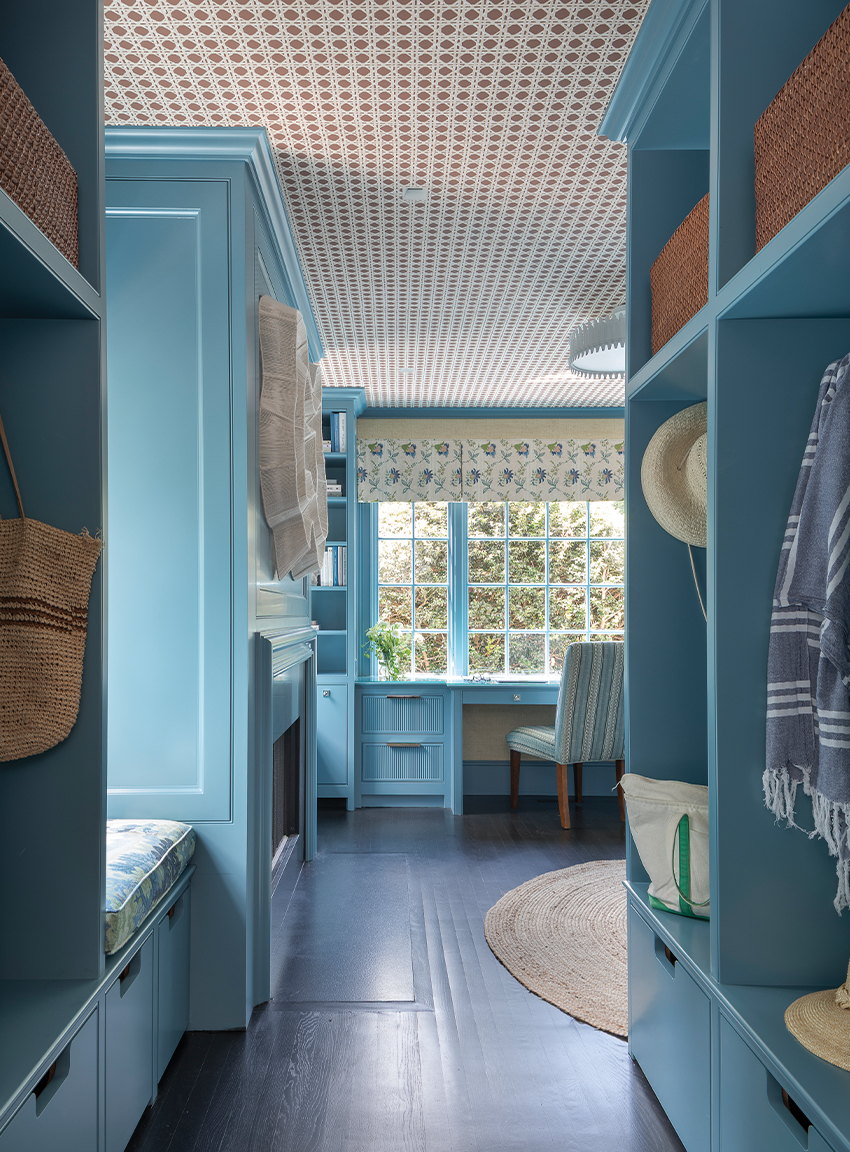
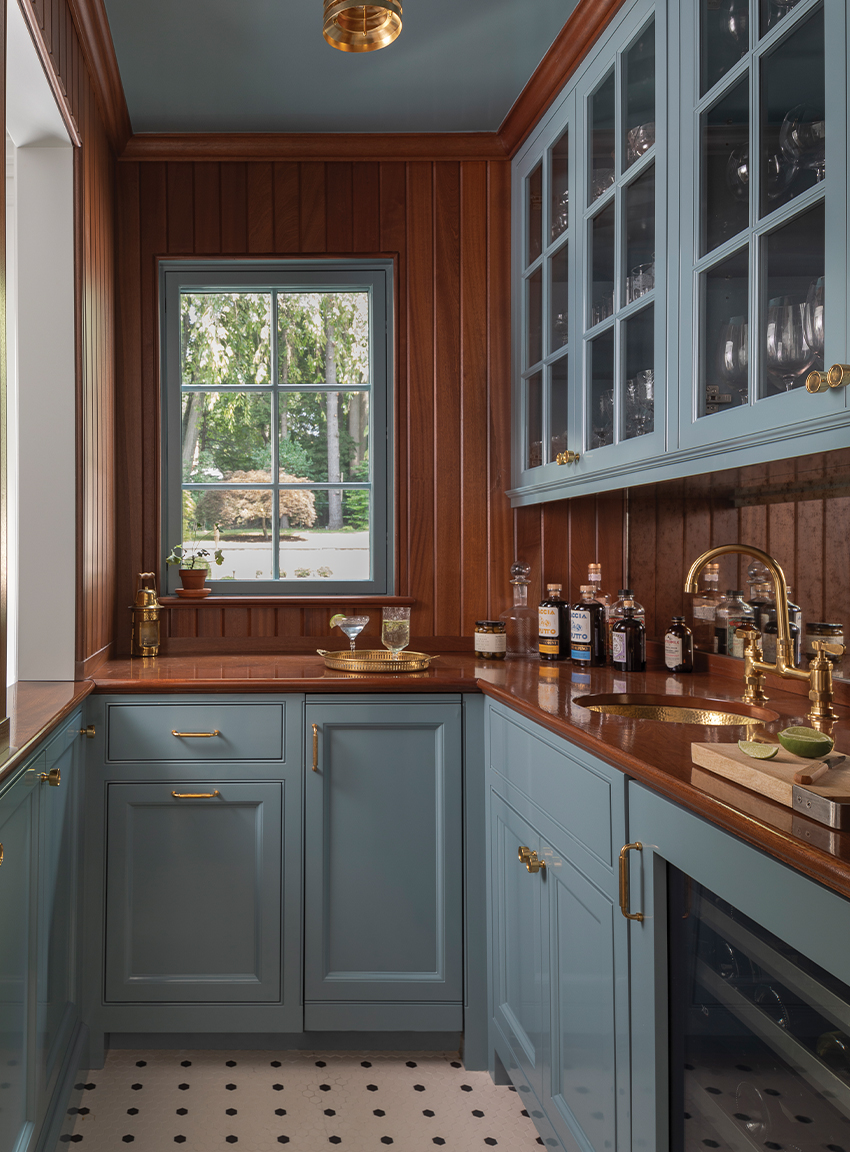
Multi-purpose spaces and chic entertaining spaces, like this mud room/office and wet bar designed by Burr Salvatore Architects.
Popular Features
Open layouts remain in high demand, with multipurpose spaces and large windows that merge indoor and outdoor living. “Strategically located pocket doors can prevent noise from carrying across an open space,” says Hobbs, noting that they offer both flow and flexibility.
Hauck has noticed a growing interest in sustainability, with more homeowners investing in geothermal systems, photovoltaics, and other energy-efficient solutions. Joe Schinella of Arena Development agrees: “In one of the homes I recently built, the owner wanted Tesla solar panels—an added upfront cost that will be repaid over time.”
Market Challenges
Securing materials was an obstacle in 2025. “Everyone on a project needs to pay attention to the supply chain and tariffs when making material selections,” warns Hobbs. Early approvals can help keep projects on schedule and on budget.
Changes in technology have been a blessing and a challenge. Clients are increasingly using AI-generated renderings to share their visions, and while “this can be a useful tool in communicating their aesthetic goals, AI often yields pastiches of different styles and details,” says Salvatore, “our role is increasingly to translate the essence of those images into something that is architecturally consistent and correct.”
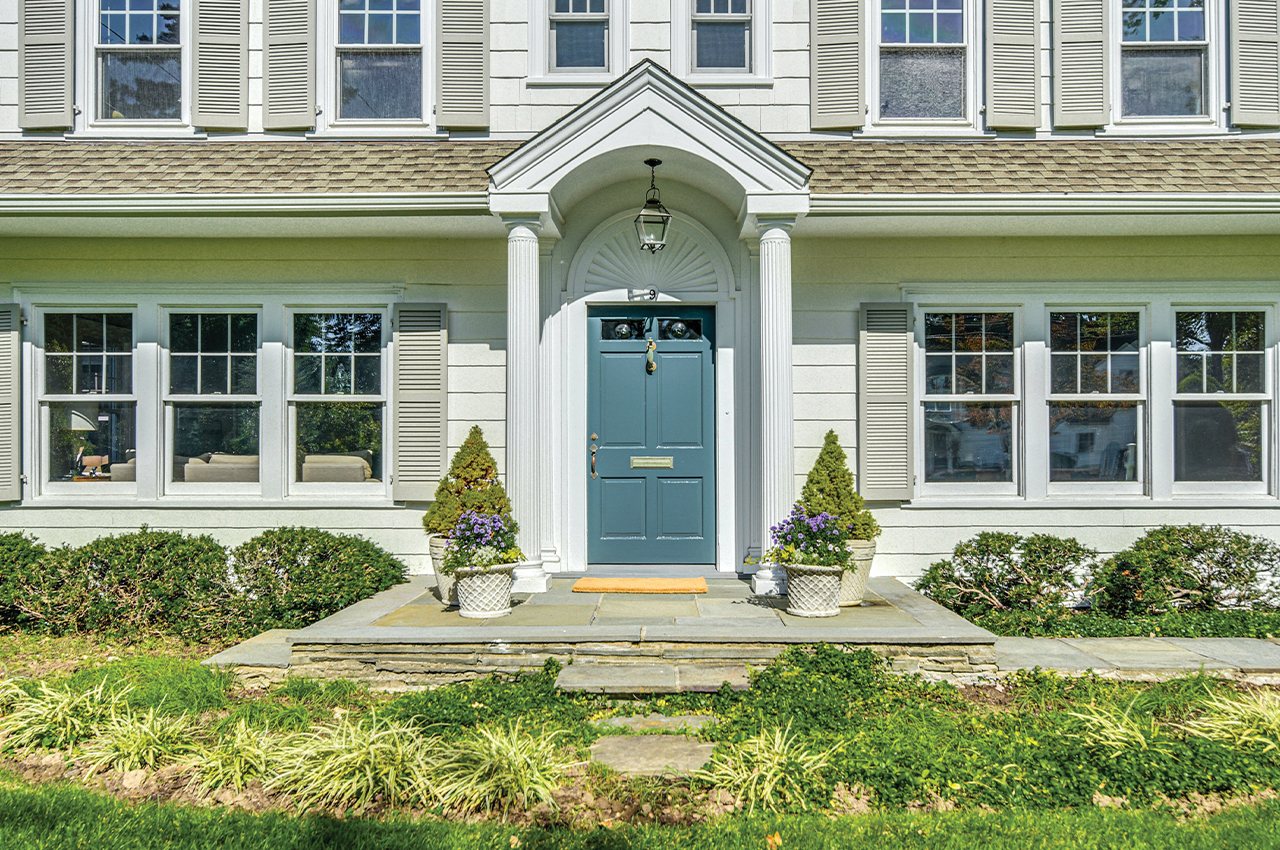
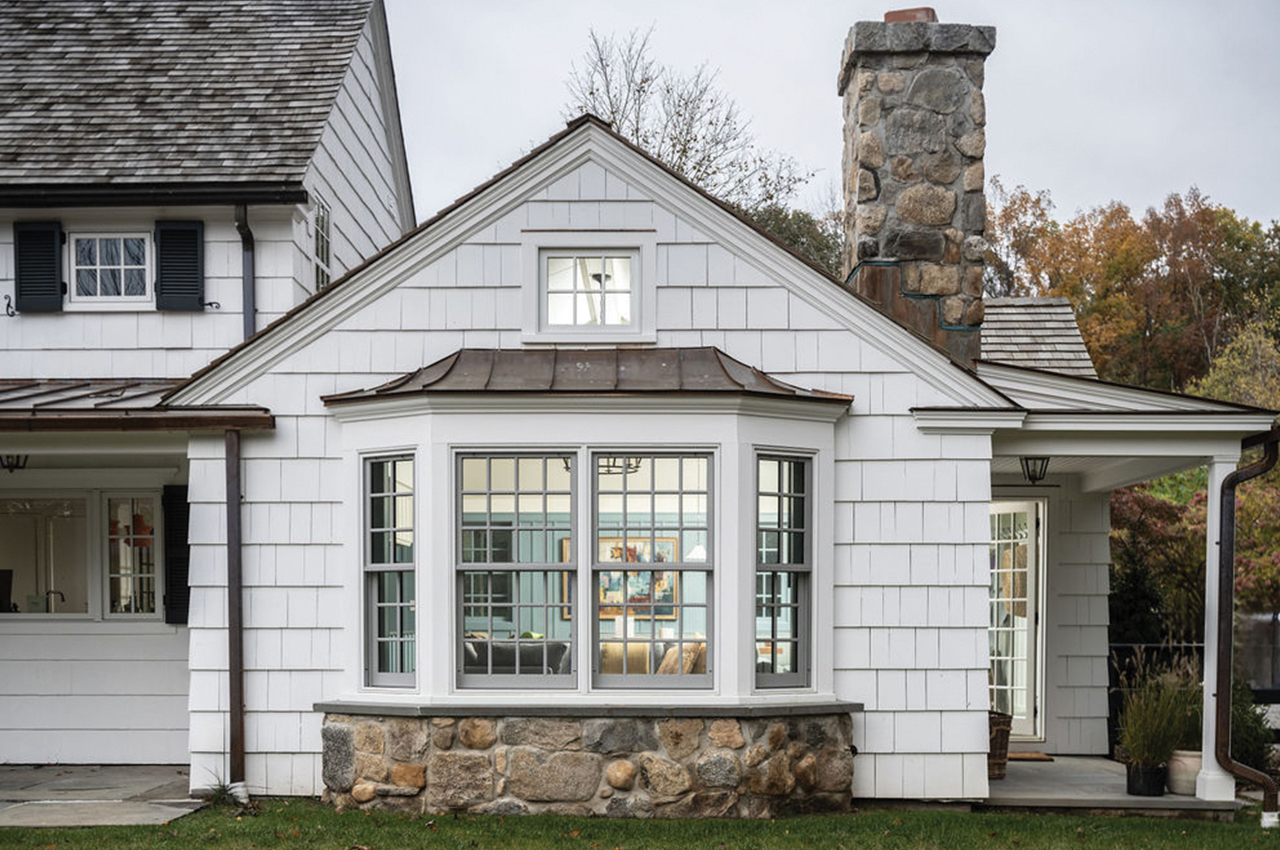
From classic façades, like the one on Darien’s Sunset Road, to this Burr Salvatore–designed rear exterior, these homes reflect a trend of honoring tradition in front while embracing airy, modern living in the back.
MORTGAGES
The current lending environment is competitive, but still constrained,” says Andrew Texeira of U.S. Bank. Looking ahead to 2026, while mortgage rates have dropped since the beginning of last year, the decline hasn’t been enough to move many buyers and sellers toward market readiness, keeping inventory low and financing critical.
In 2025, competing with multiple offers often meant waiving mortgage contingencies. “The most prepared buyer/borrower typically wins the deal on properties with multiple bids,” says Texeira, adding that it is important to go a step further from simple quick pre-approval to getting fully underwritten so you can compete with the all-cash offers.
Highly priced homes and elevated rates further strained the market.According to Texeira, “low inventory meant offers could still face multiple bids,” requiring tighter pre-approvals and faster financing timelines. Larger down payments and adjustable-rate mortgages, with plans to refinance, helped buyers.
Looking ahead to 2026, Texeira advises early preparation: get fully pre-approved and find an experienced local team.