





above: Now that Connecticut made low-speed vehicles street legal, you are starting to see them buzzing around marinas, beaches and local neighborhoods.
Photographs by Venera Alexandrova
Fior Lostumbo didn’t set out to change laws in Connecticut. It started innocently enough in 2022, when he was vacationing in Florida and noticed people zipping around in electric carts. Intrigued, he thought they’d be perfect for Norwalk, so he bought one, shipped it home, and took it for a spin. The reaction was immediate—neighbors flagged him down during grocery runs at Stew Leonard’s or on quiet streets, asking: What’s that and how do I get one? That’s when he realized this could be more than just a fun joyride.
By March 2023, he’d teamed up with his cousin Phil Dacunto to launch CT Custom Carts. “Phil was retiring as a fireman and looking for something new,” Lostumbo recalls. Lostumbo shared his idea and together, they began importing the Low-Speed Vehicles (LSVs)—electric carts equipped with seatbelts, DOT windshields and a 25-mph top speed.
The trouble was, Connecticut wouldn’t allow them to be driven on the roads and Norwalk turned down their proposal for a local trial. But the cousins didn’t give up. Encouraged by a friend to think bigger, they brought the idea to Hartford. A supportive state legislator got them on the agenda, and momentum grew from there. According to Lostumbo, Hartford embraced the inexpensive EVs because of their ability to calm traffic and save on parking space.
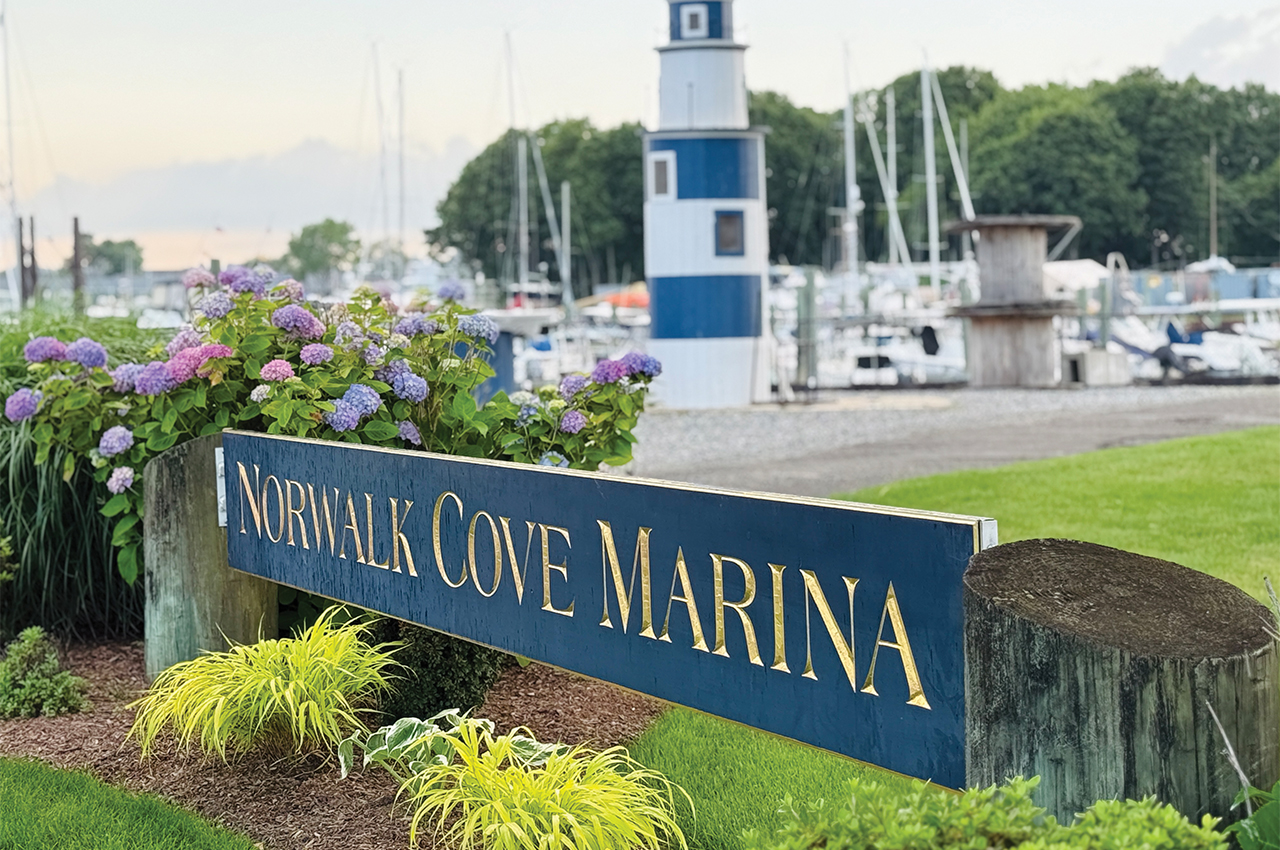
Their persistence helped usher in Public Act 24-70, which was passed in May 2024 and became effective on October 1. The act allows LSVs on roads with speed limits of 25 mph or less—about 60% of the state’s streets—but it also lets local traffic authorities prohibit or limit LSVs on roads in their jurisdiction. Norwalk is one of those municipalities, and LSVs remain prohibited there. Despite that, demand has skyrocketed at their base at Cove Marina. “We can’t get products fast enough,” Lostumbo says.
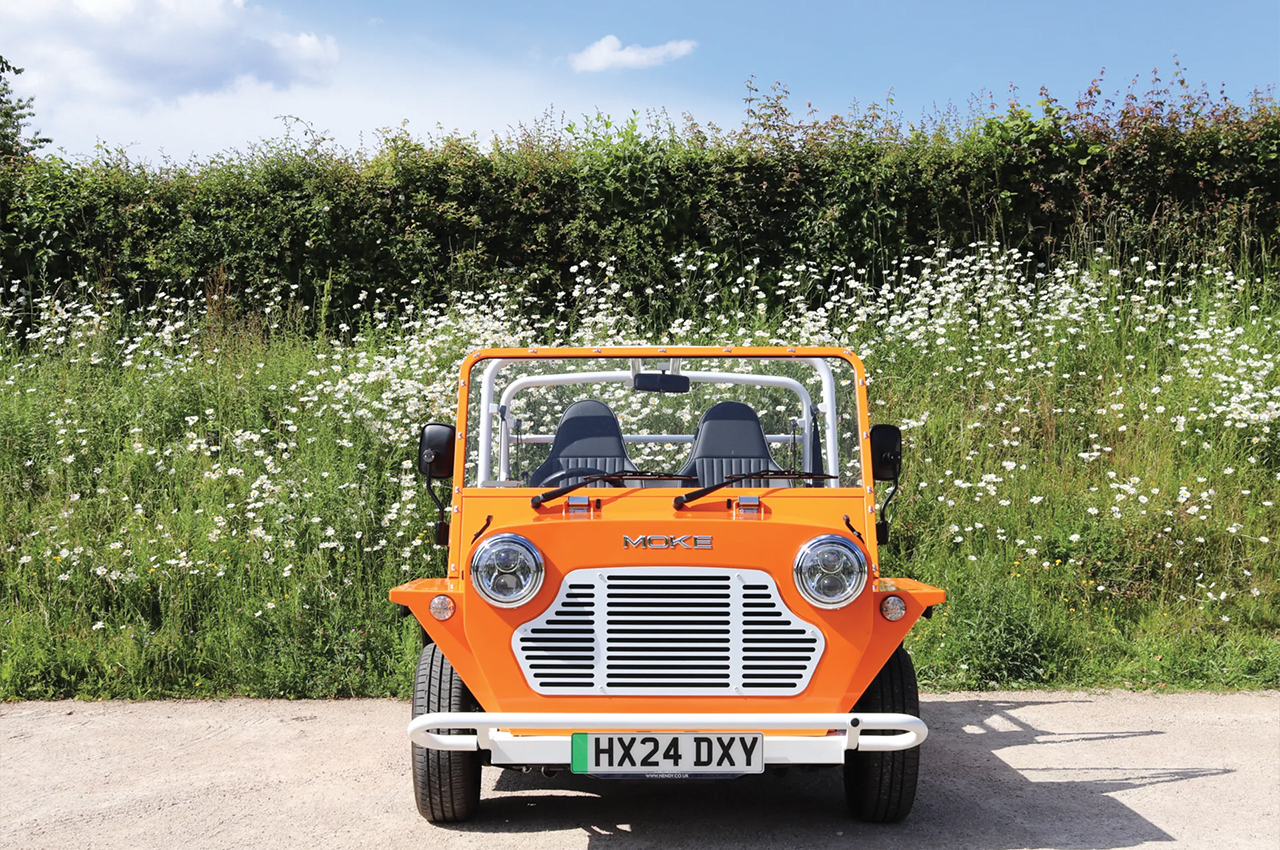
Their clients include families, seniors, boaters and more. In Darien, they’re a casual ride to Weed Beach. New Canaan residents take them around their neighborhood or up to the bus stop. Buyers gravitate toward three main models: the more affordable Evolution ($6,695), the mid-range Tomberlin, and the high-end Moke (which can get up to a price point of up to $27,000). “Moke is the Ferrari of LSVs—not for speed, but for luxury and comfort,” Lostumbo explains.
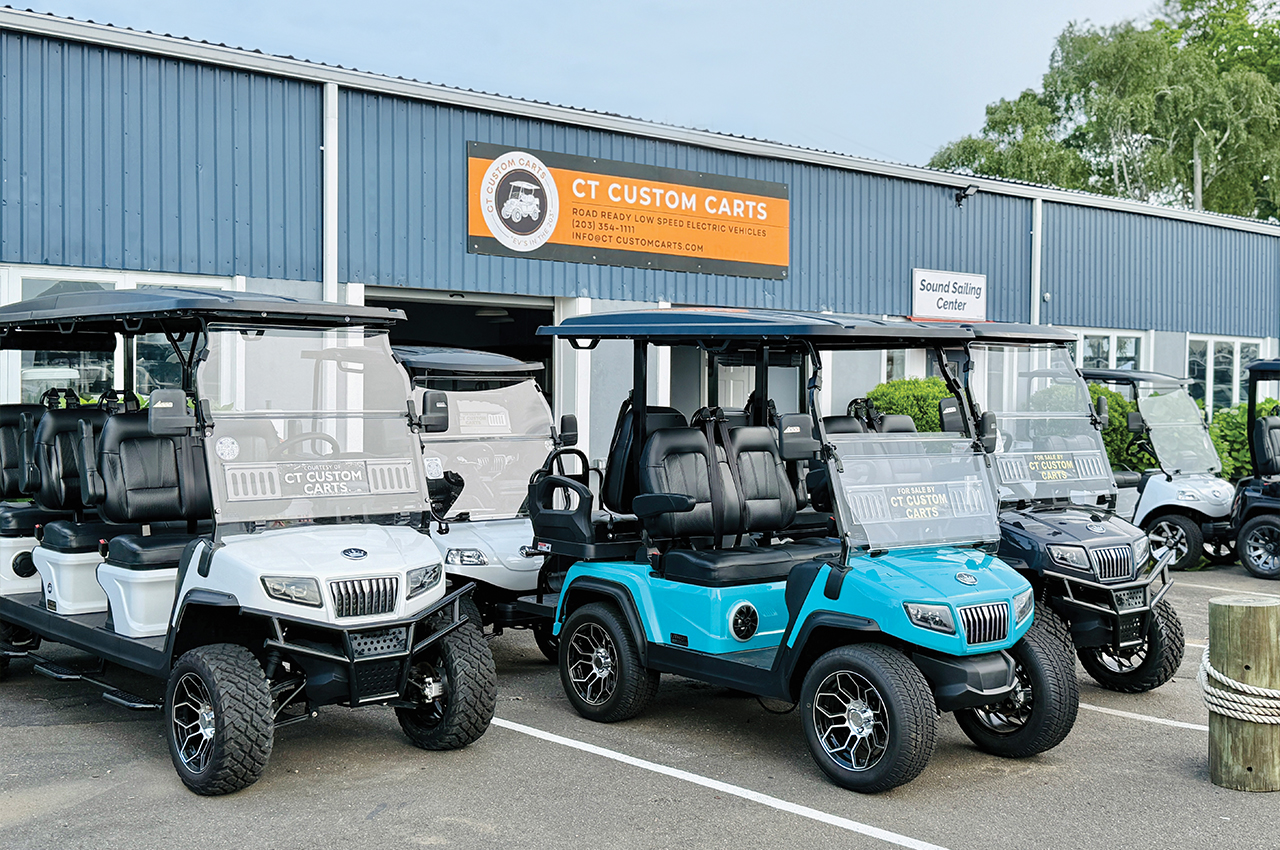
People are drawn to their convenience and charm. “It’s easy—out of the garage in ten seconds, no need for a big car,” he says. Parents love the forward-facing or rear-facing seats for kids; riders love the Bluetooth sound systems and backup cameras. And because all models are electric, they’re as eco-conscious as they are practical.
The carts are also changing the tone of neighborhood life. “They slow down traffic, and neighborhoods embrace that,” says Lostumbo. “We’ve had no accidents, no injuries—it’s been very positive.” Whether it’s for a quick grocery run, a beach day, or a wedding venue shuttle, the carts are proving to be more than a novelty. They’re a new mode of connection—and Connecticut’s streets are finally catching up.