






PHOTOGRAPHS BY GARVIN BURKE
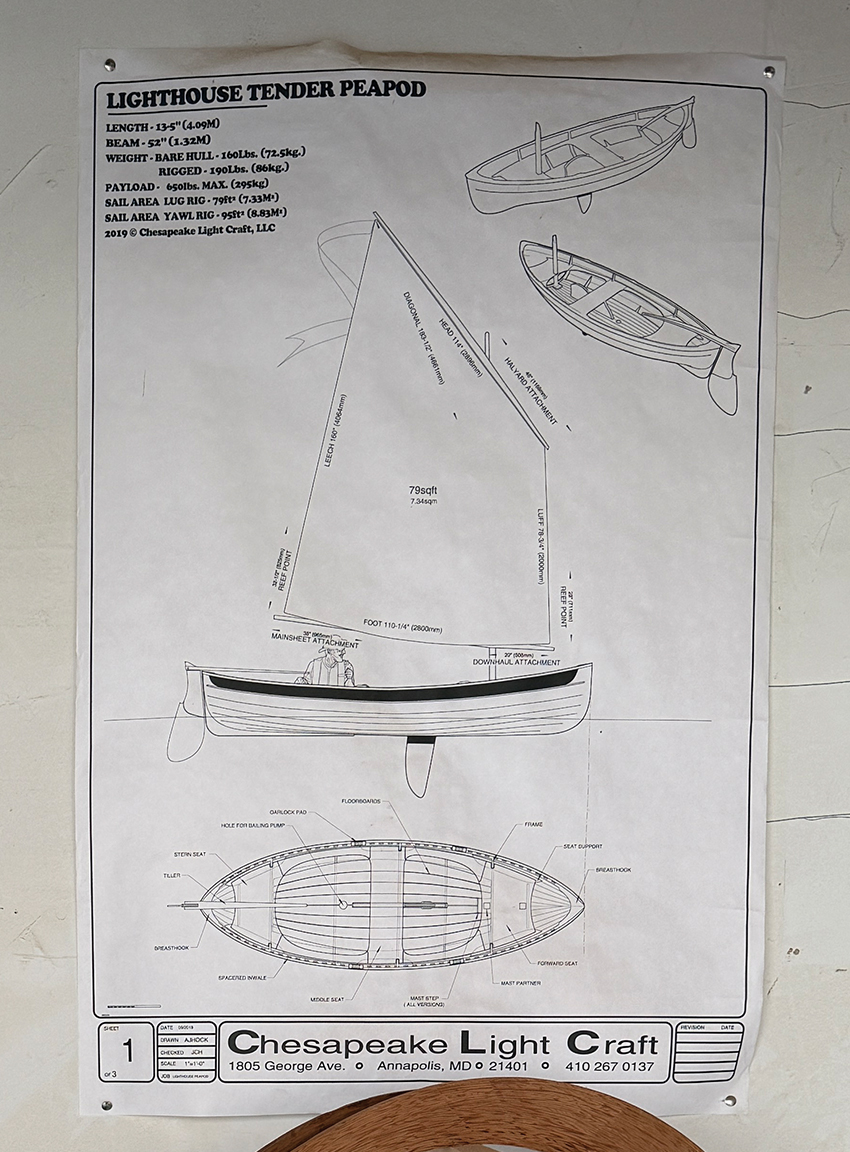
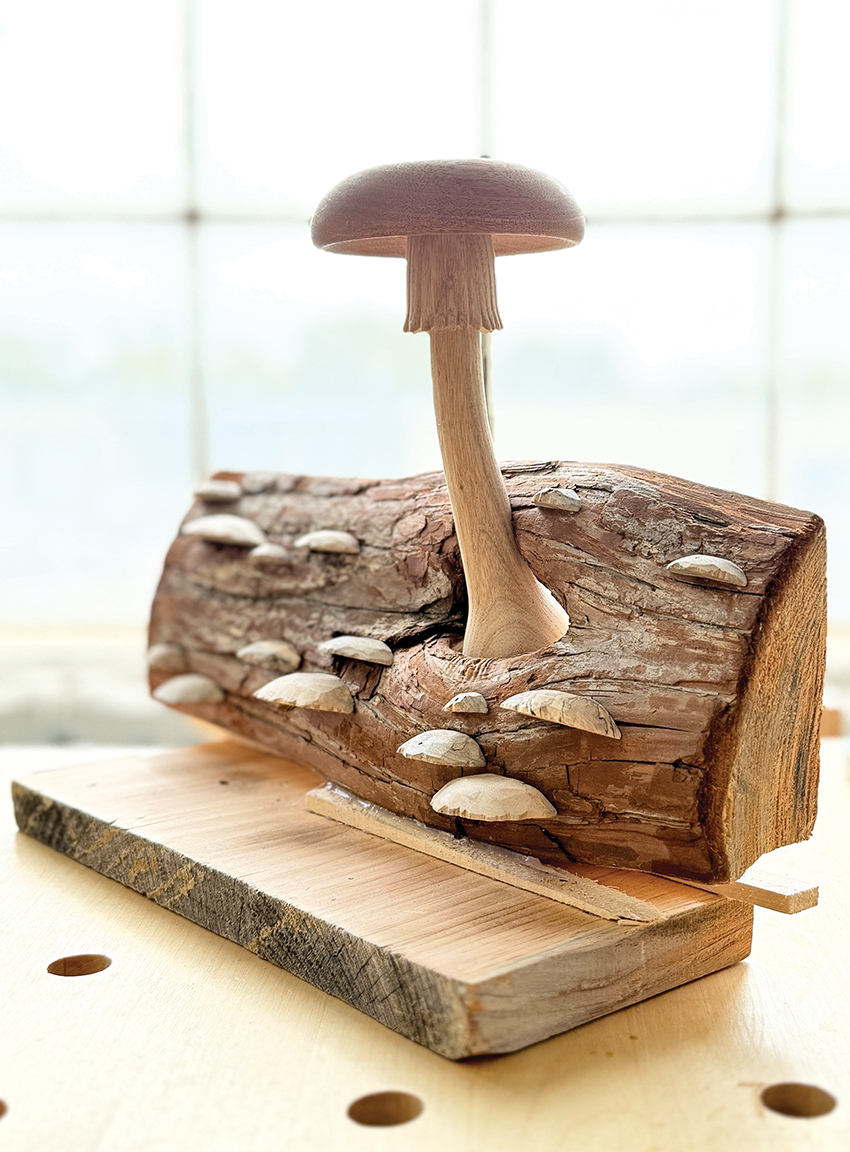
When visitors walk into Studio Andreas inside an old factory building in Glenbrook, they’re greeted by the shop dog, a tan rescue named Mika, along with the comforting scent of wood. Suspended from the ceiling is a wooden lighthouse tender boat, with ropes and pulleys that lower it down when its creator, a teen named Kit, comes in to work on it. Students of different ages stand at their woodworking tables, the buzz of saws and sanders mixing with the music playlist. An 18-year-old named Louise is tending to a mushroom-themed sculpture while a Billy, a tech industry professional, is sanding his hickory and walnut George Nakashima-inspired bench and Bill, a retiree who has studied with Mark Andreas for 10 years, is preparing to work on the mid-century-style wooden base for a leather ottoman that will be a gift for his daughter. These are not projects (or skills)
that can be tackled quickly or easily, and that is by design.
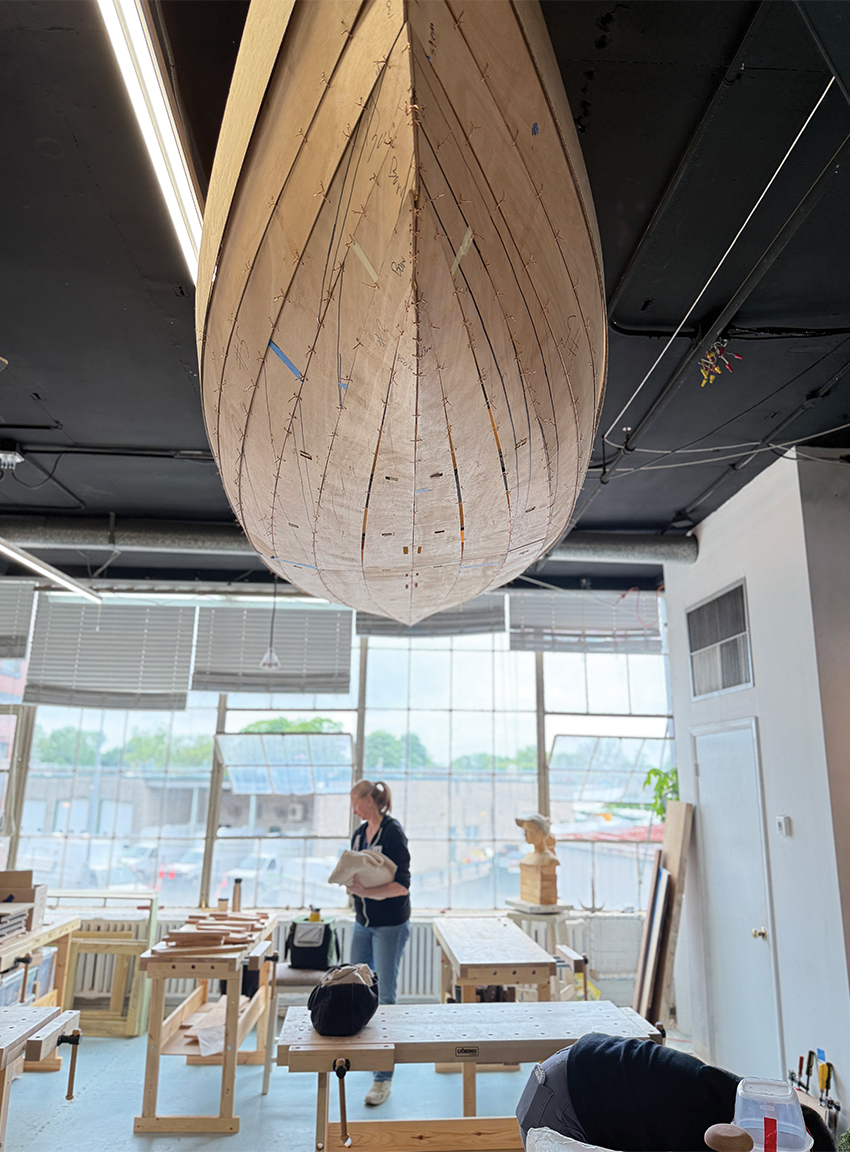
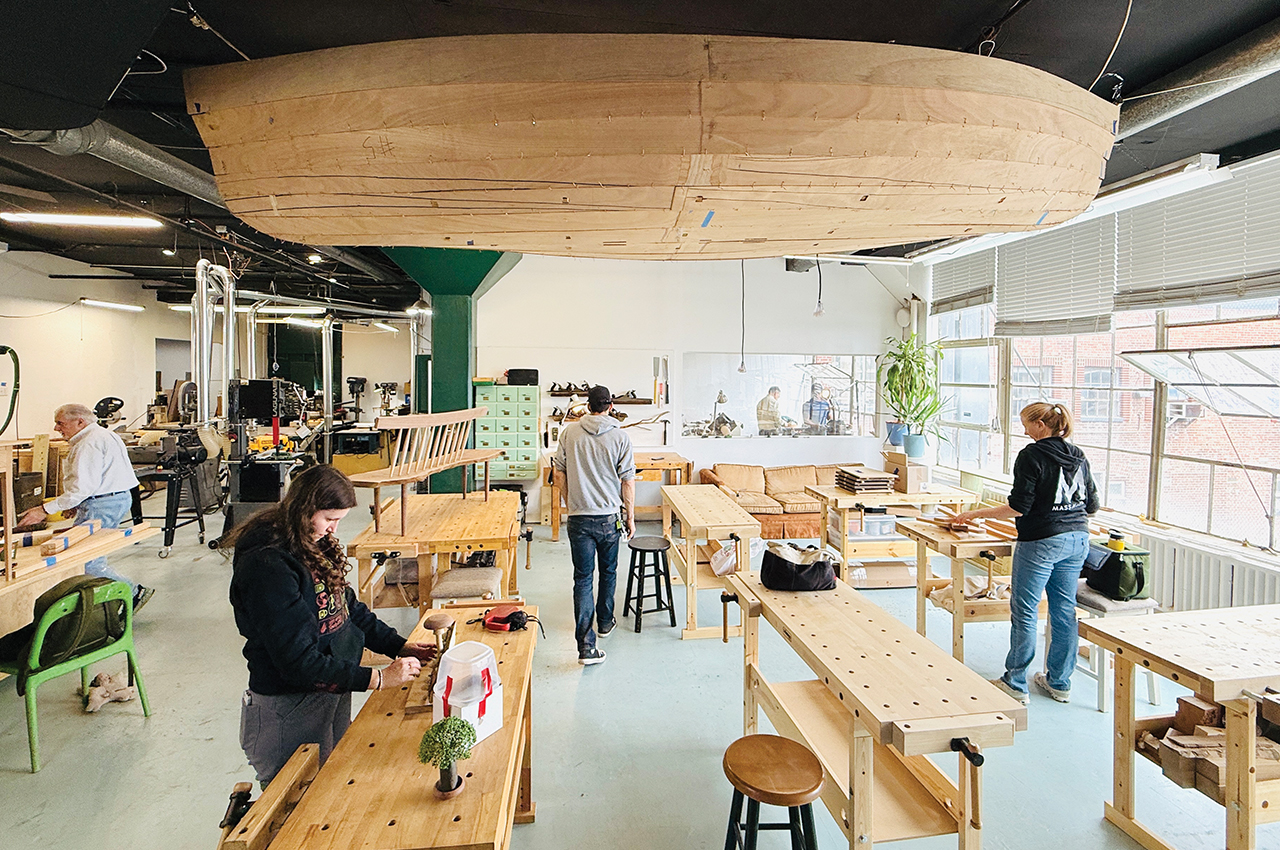
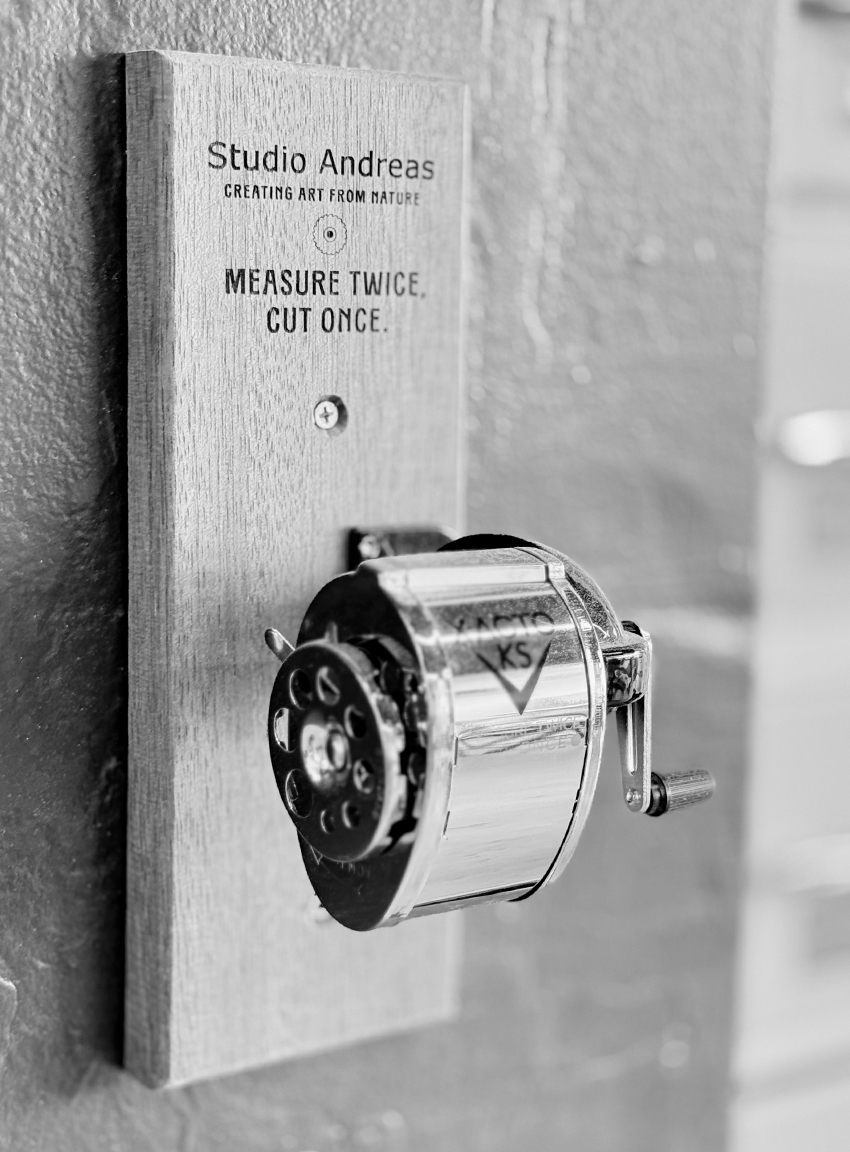
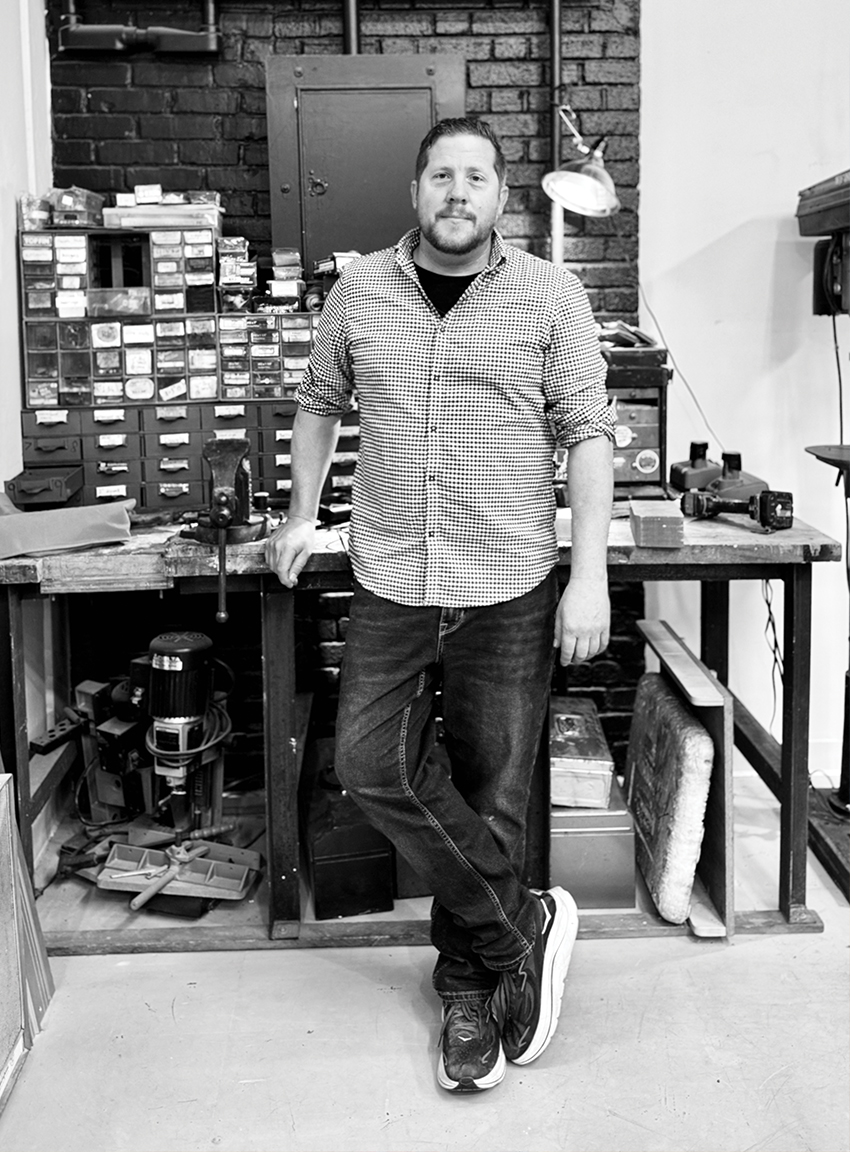
Living in an age where screens, stress and distractions are constant, sculptor and artist Mark Andreas is teaching his students at Studio Andreas to turn their attention—and their hands—to something more creative and fulfilling. Though he has taught woodworking for more than a decade, he opened his own teaching studio four years ago, recently expanding to include textile art with plans for a ceramics studio and gallery in the next month. More than 100 students attend classes here each week, ranging in age from 13 to 85; kids ages five to 13 can participate over the summer. About the hand crafts, Andreas says, “It slows you down, connects you to the material, connects you to the time and quiets the mind. That’s a beautiful thing. It’s a really great antidote, working in this sort of manner, to the day and age we live in.”
The crafts that students learn here are not only about the art of creation. “Woodworking is a craft, and it is a chance to create something, but really more profoundly, it’s an opportunity to discover nature,” says Andreas. He references the oldest sugar maple in the state, a circa-1570 tree found on a property in North Stamford, which one of his students turned into a wooden box, and wool from a sheep at the Stamford Nature Center that’s being spun into yarn in the textiles room. Think farm-to-table, but this is sheep-to-scarf. The studio is also a place where people who might never meet otherwise to bond around shared pursuits. “People come to take a class, but end up really enjoying the community we have here.”
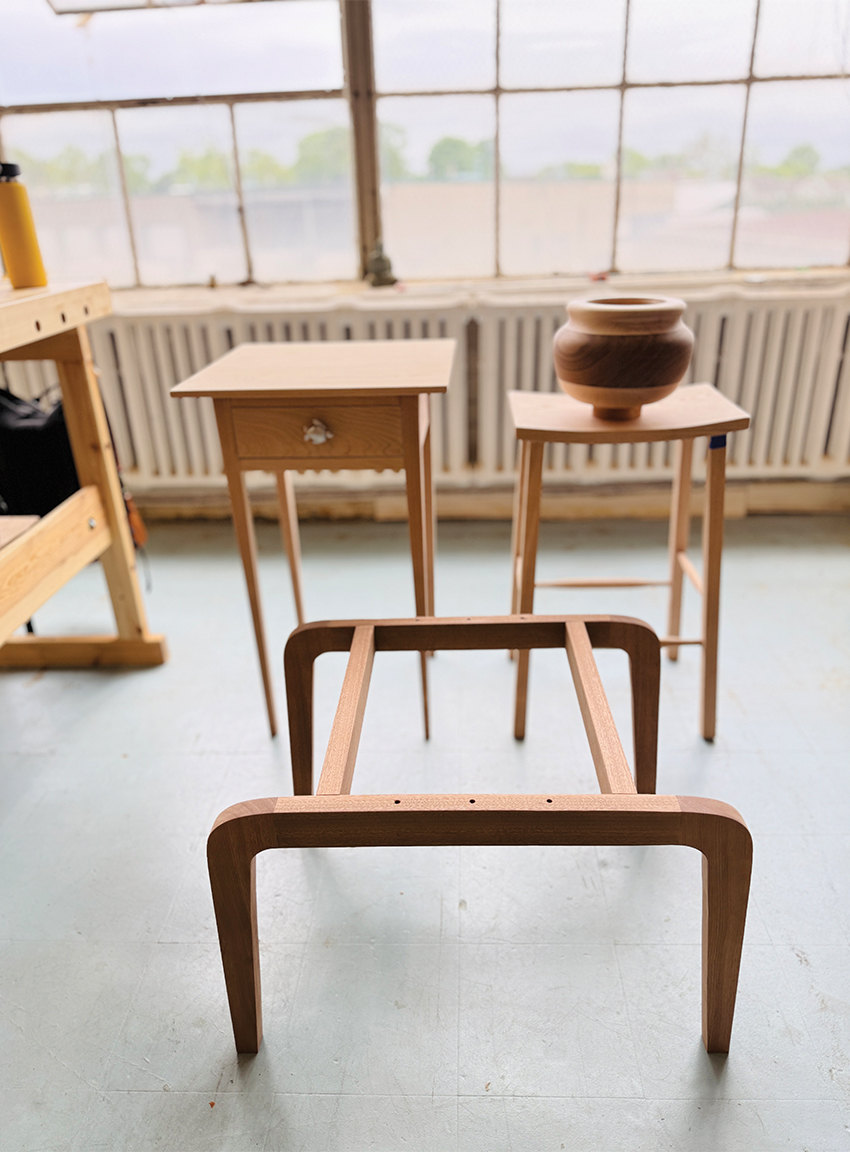
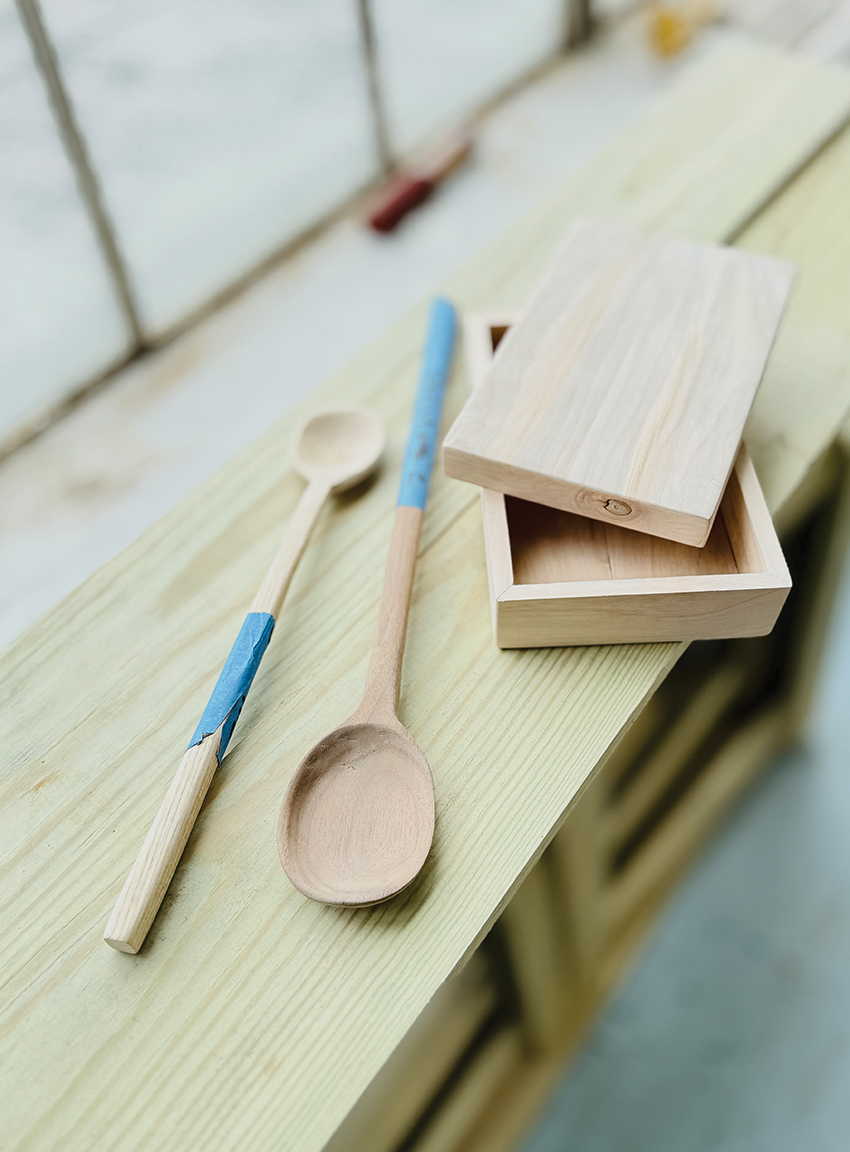
The first projects for all students are wooden spoons and boxes; then they progress to making stools and bowls.
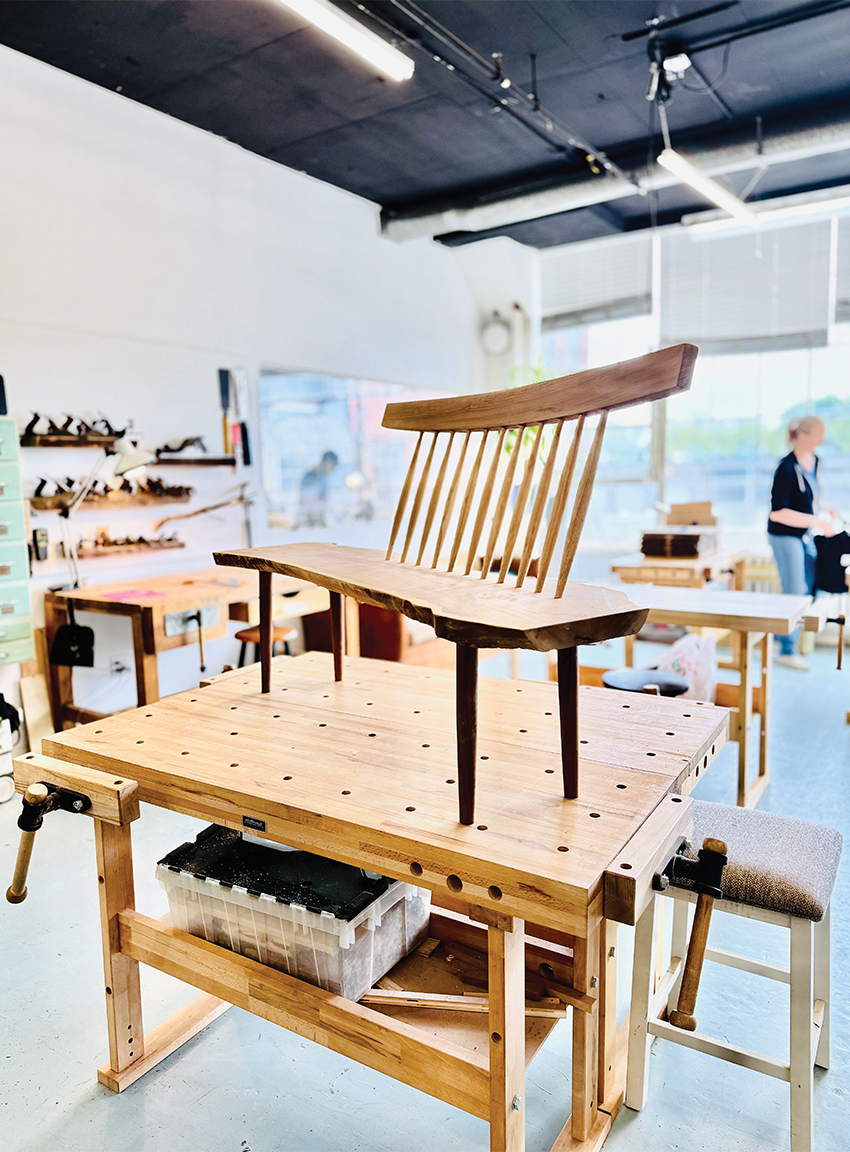
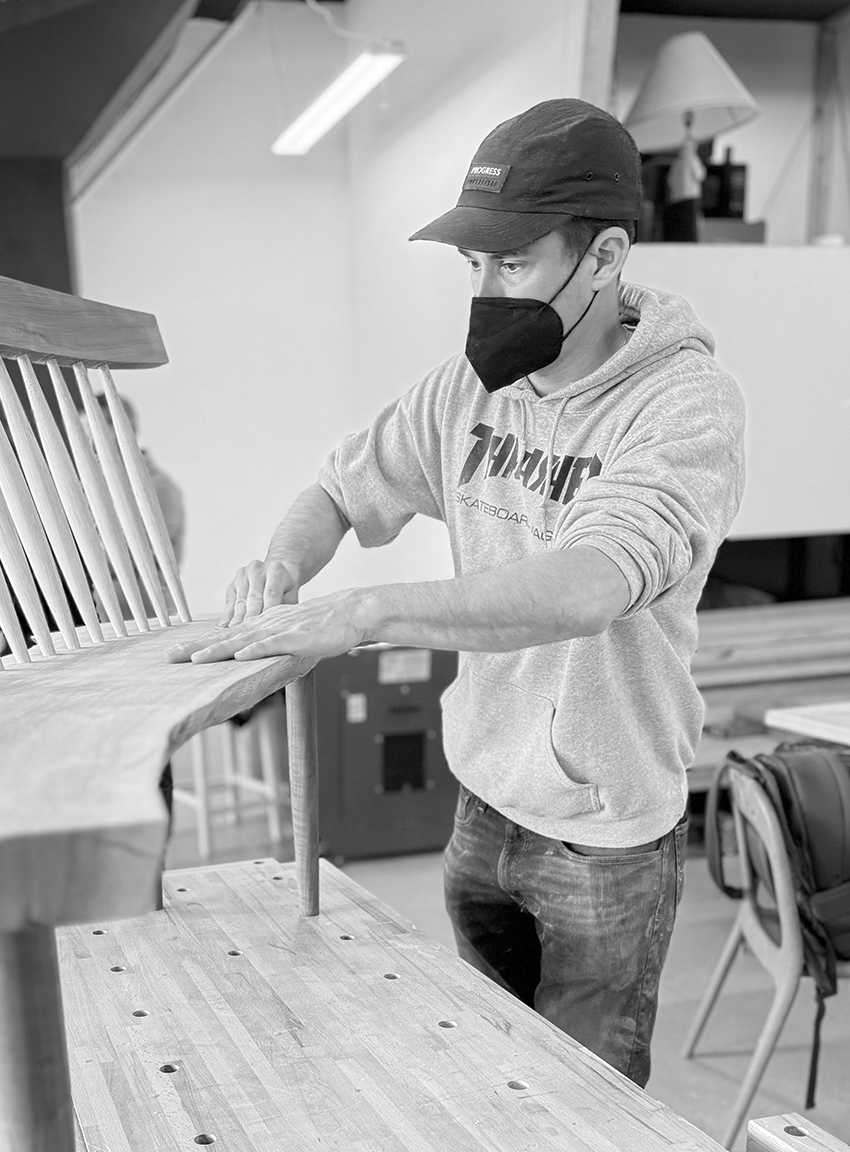
This bench inspired by Nakashima is the brainchild of long-time woodworking student Billy.

DEEP ROOTS
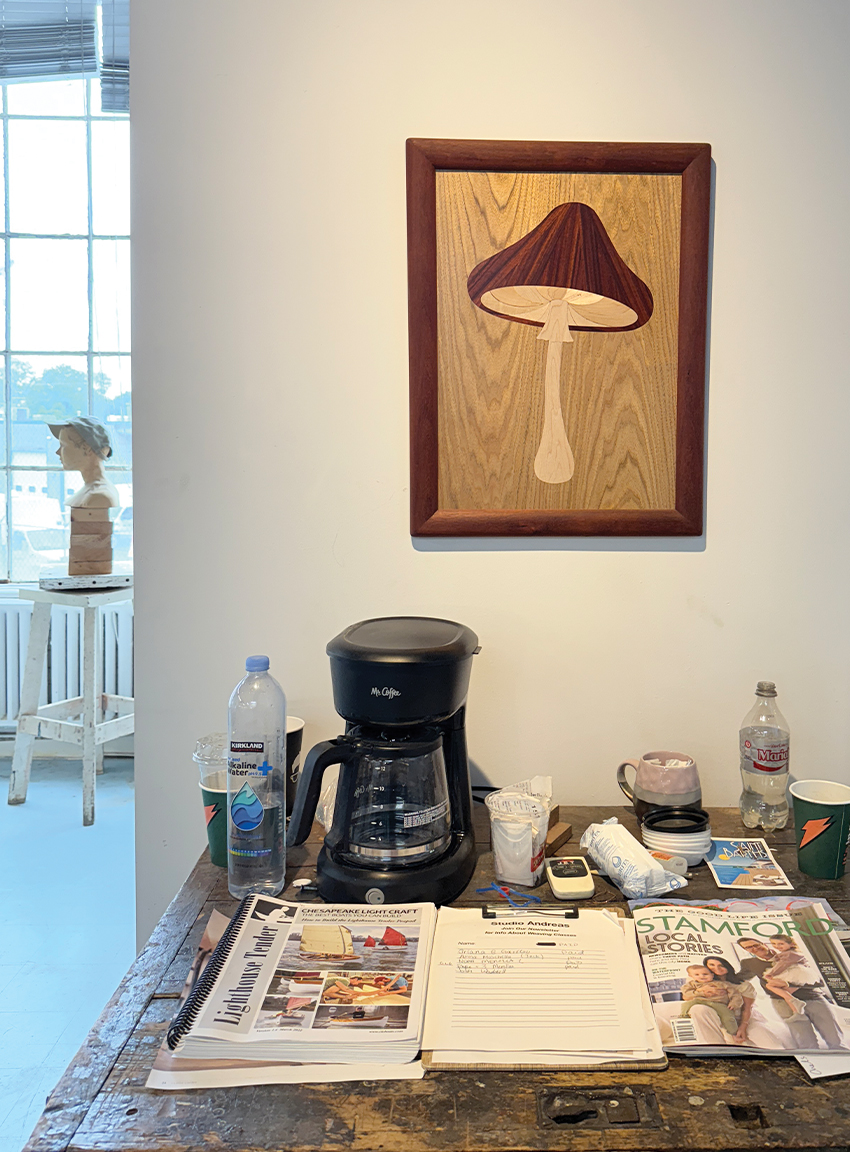
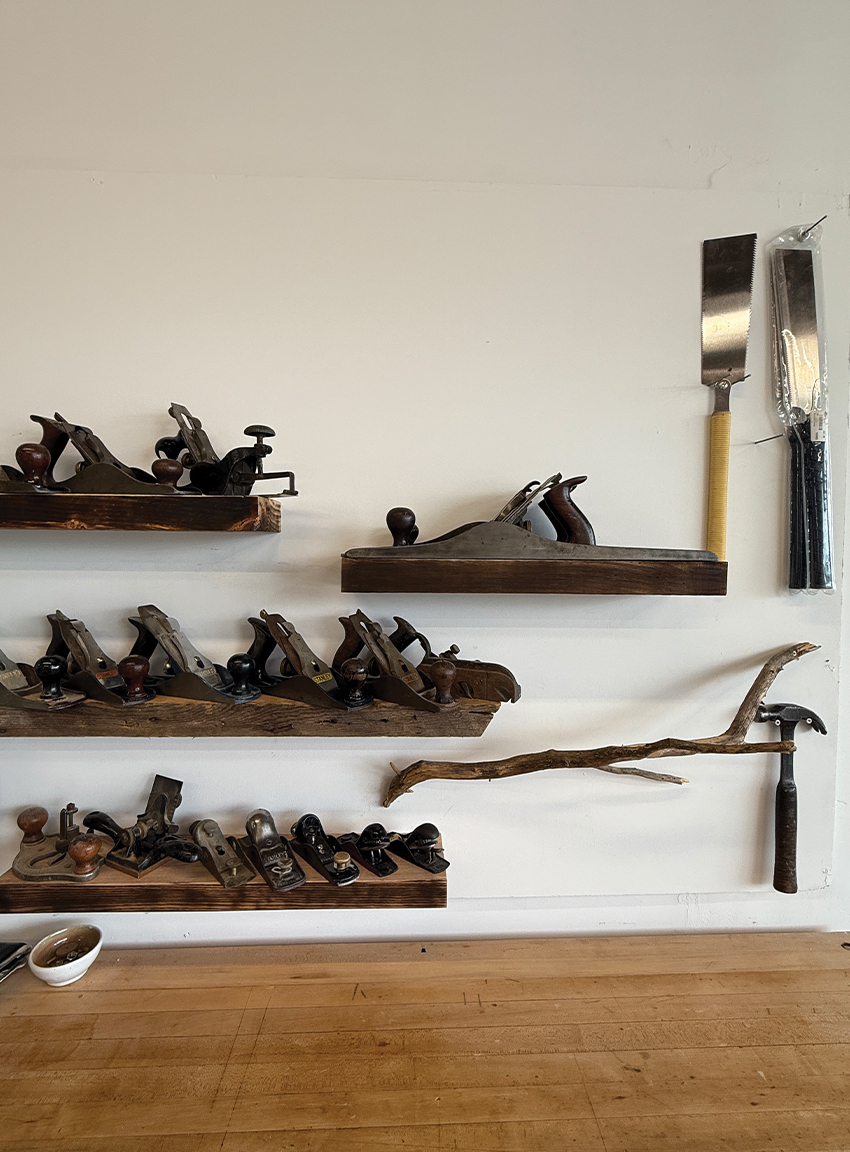
It was through his own close relationships that Andreas first learned woodworking. His grandfather was a woodworker and engineer, and his father, also an engineer, was skilled at wood crafts; both shared their hands-on knowledge with him as a young boy. Today many of the same antique tools he learned on, from chisels to planers, are hanging in the studio and his great grandfather’s 1887 wooden worktable sits at the entry. He grew up in Shelton with the Far Mill River in his backyard and spent most afternoons outside and in his family’s wood shop building things, in particular boats and docks for the water. “I was always drawn to it, and I kept trying to build things to interact with it and engage with it,” he says. “I think that really developed my passion for making and creating things, boats and ways of navigating on the river.” Andreas, who is partially dyslexic, found that working with his hands and brainstorming projects gave him a sense of accomplishment and satisfaction.
“My 3D thinking was always really strong.” When Andreas was 14, he was sent to Northern Germany, where his father is from, to attend a summer boat-building and furniture-making program. He continued for several summers, developing his skills and ultimately heading to the Art Institute of Boston, where he was drawn to the wood shop and decided to become a sculptor.
Over the years Andreas has worked as a boat builder, house builder, furniture designer, art director and set designer, but his main focus for the last three decades has been pursuing his career as artist and craftsperson. He has exhibited his work internationally, showing in Europe and Asia. And he has also been commissioned to create public sculptures that are on display in Finland and Sweden and, closer to home, in Peekskill and Stamford, at The Wheel Restaurant. He has lectured and taught at Yale University. And after teaching for a number of years at Silvermine Arts Center, he decided to start his own space to work with students and pass along the skills that were handed down to him.
PURE IMAGINATION
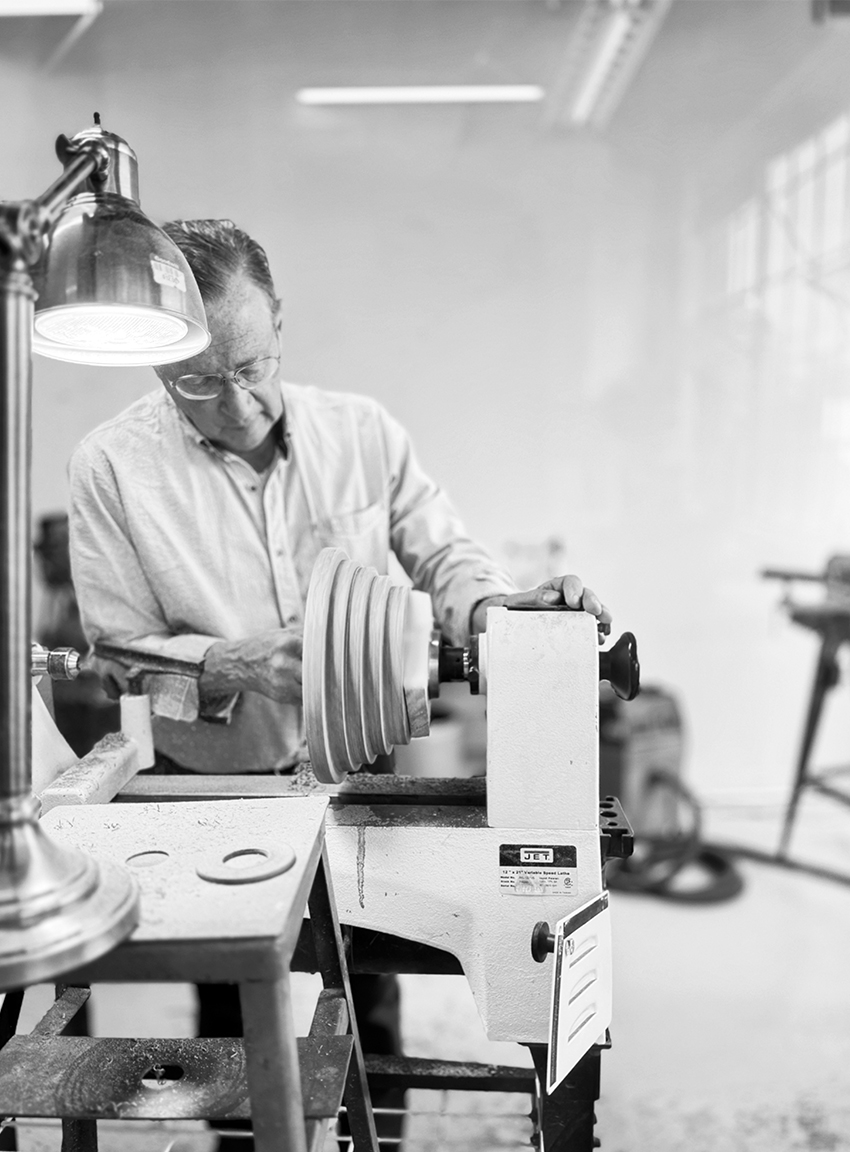
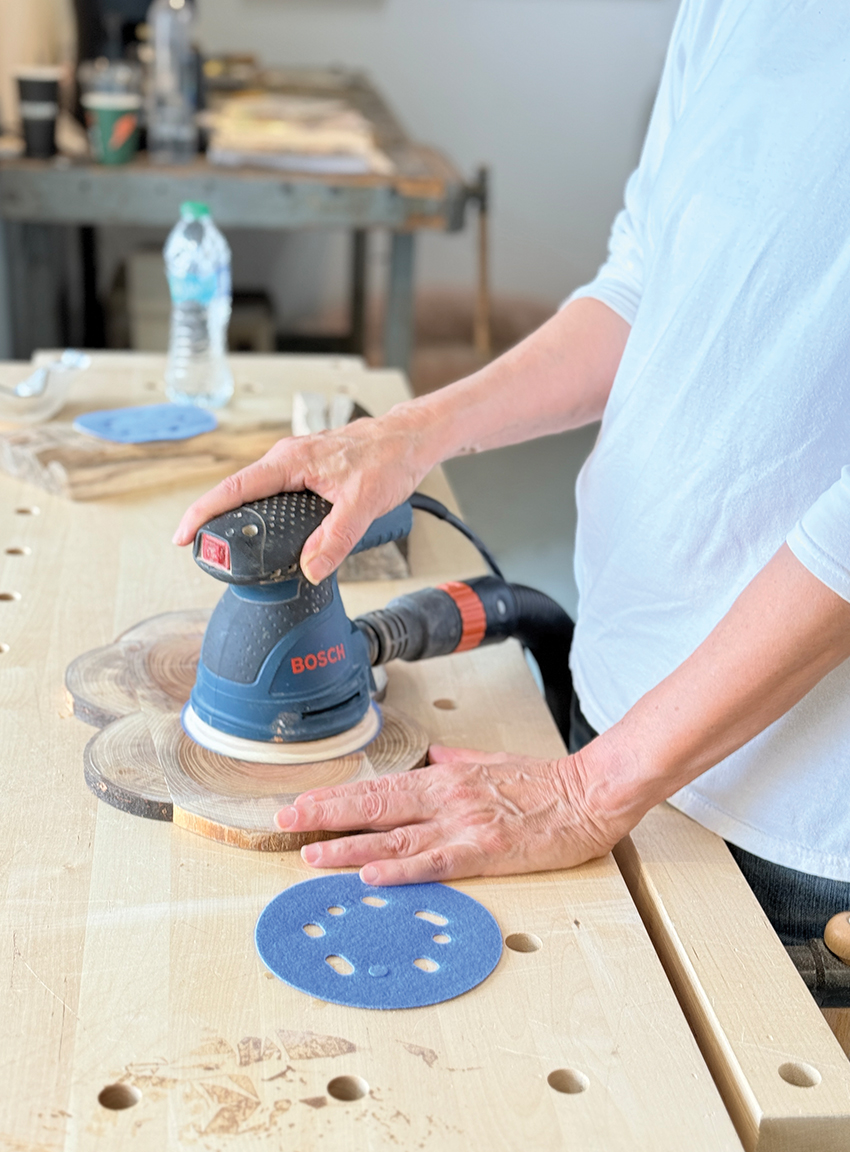
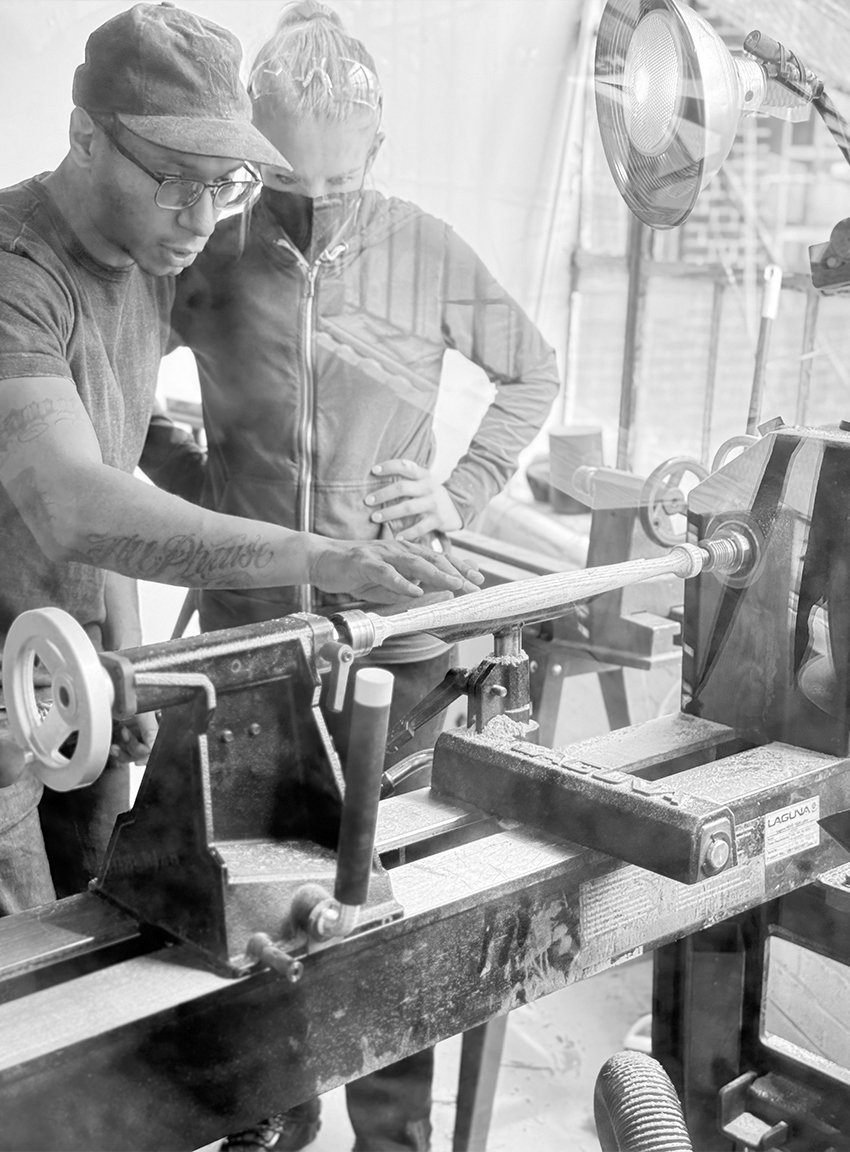
Though some of the students at Studio Andreas have an artistic flair, many are not from an art background, he explains. Especially among the evening classes, there are people from the financial or programming worlds who spend all day working with digital technology and really need a break from it. His goal is to help students master the technique and also engage with the material. Though it’s possible to take one seven-week class, most students get hooked and continue to attend class for five semesters a year or even longer. They begin by learning the fundamentals, especially safe practices for operating the tools and equipment. The first project is to carve a spoon and then a wooden box and, eventually a project of the student’s choice.
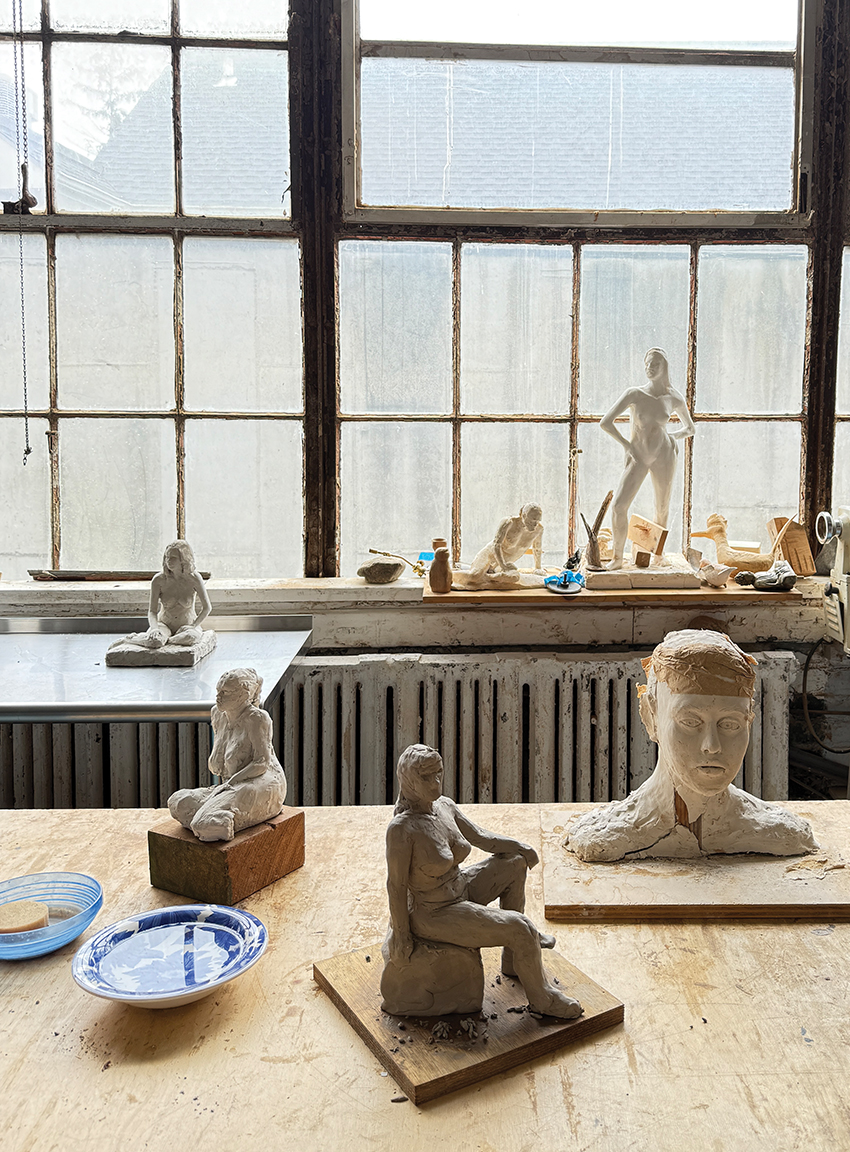
“My grandfather taught me that the human mind is not capable of imagining something you cannot make,” Andreas says. So he is open to any ideas his students can dream up. It’s part of the process of expanding their abilities. Student projects vary in scope and size, from an intricate carved mole maker with traditional motifs, made by a woman whose Mexican grandmother taught her to make mole sauce, to a large garden trellis that’s being built by a Yale infectious-disease scientist. “We’re focusing on long-term development of mastery of a craft and whether that’s in textiles, ceramics of woodworking, it’s a rare thing these days.”
TREES OF LIFE
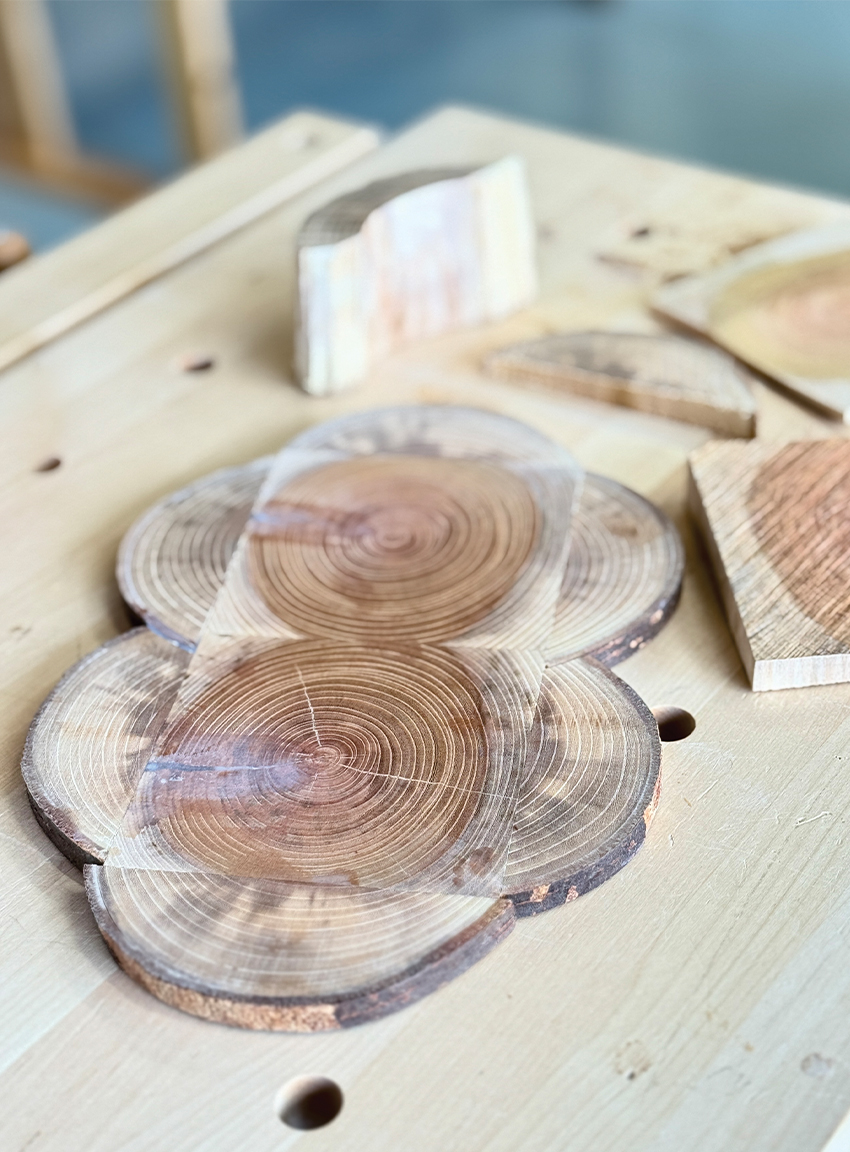
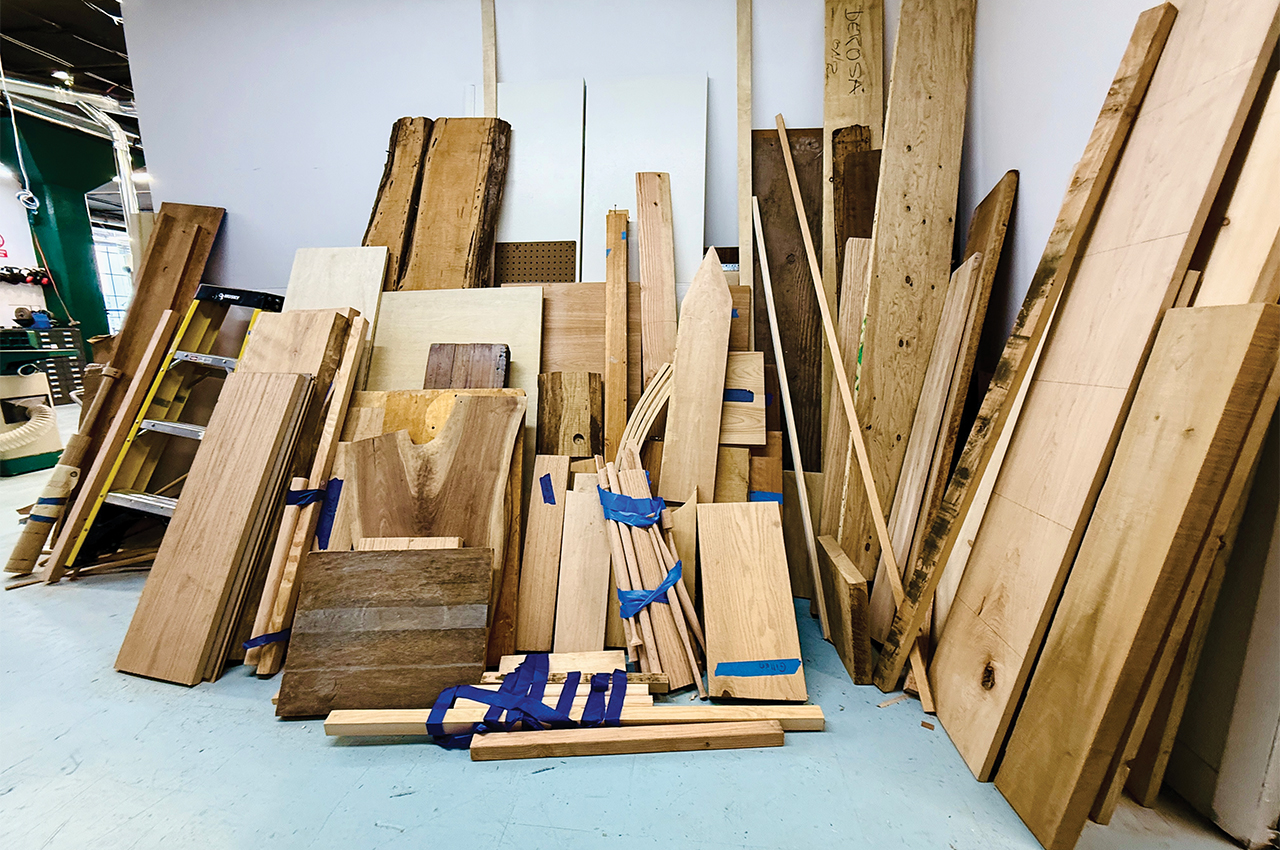
The materials used are equally important and for Andreas, his love of trees and nature is reflected in everything he does. He encourages students to source wood from their own backyard or even gather something they find along the road. They also work with local yards to find wood that’s locally sourced as well as lumber from around the world. With approximately 70,000 species of trees on earth, each with its own superlatives and characteristics, woodworkers can find the perfect material for a particular project, he says. He also explains that the wood is a living material, and its cells will “tell” you if you’re planing it in the wrong direction—the grain will resist the tool. One of his favorites among the forests in our area is the Connecticut state tree, the white oak.
“Oaks are amazing because they’re sort of the queens of the forest around here. They tend to be some of the oldest and grandest trees,” he says, noting that a single oak can support up to 300 caterpillars that play a role in our ecology. “Every piece of wood you’ve ever worked with is a unique individual that you’ve never met before. As a woodworker, you get to peer into this magical, nonhuman living world inside of every tree. Something most people don’t get to see.” Through their work at Studio Andreas, students get a better understanding of nature around them.
UNCOMMON THREADS
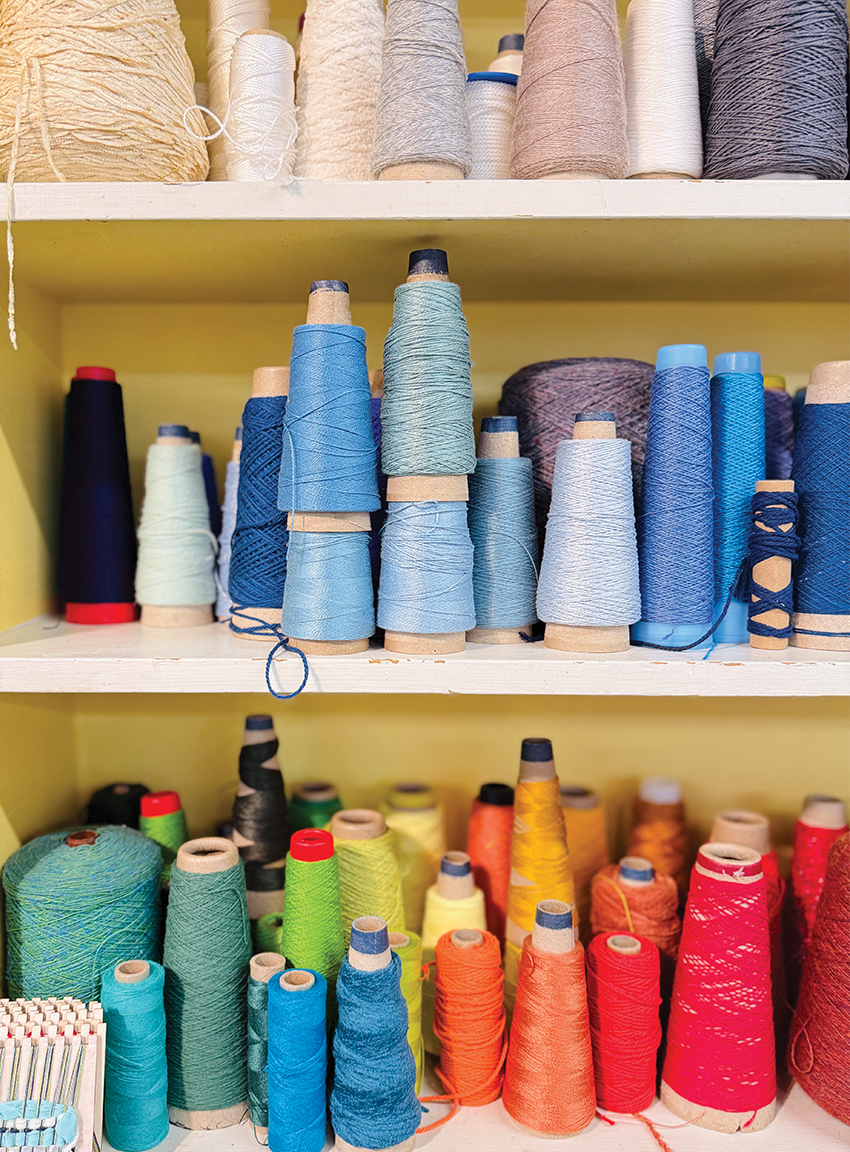
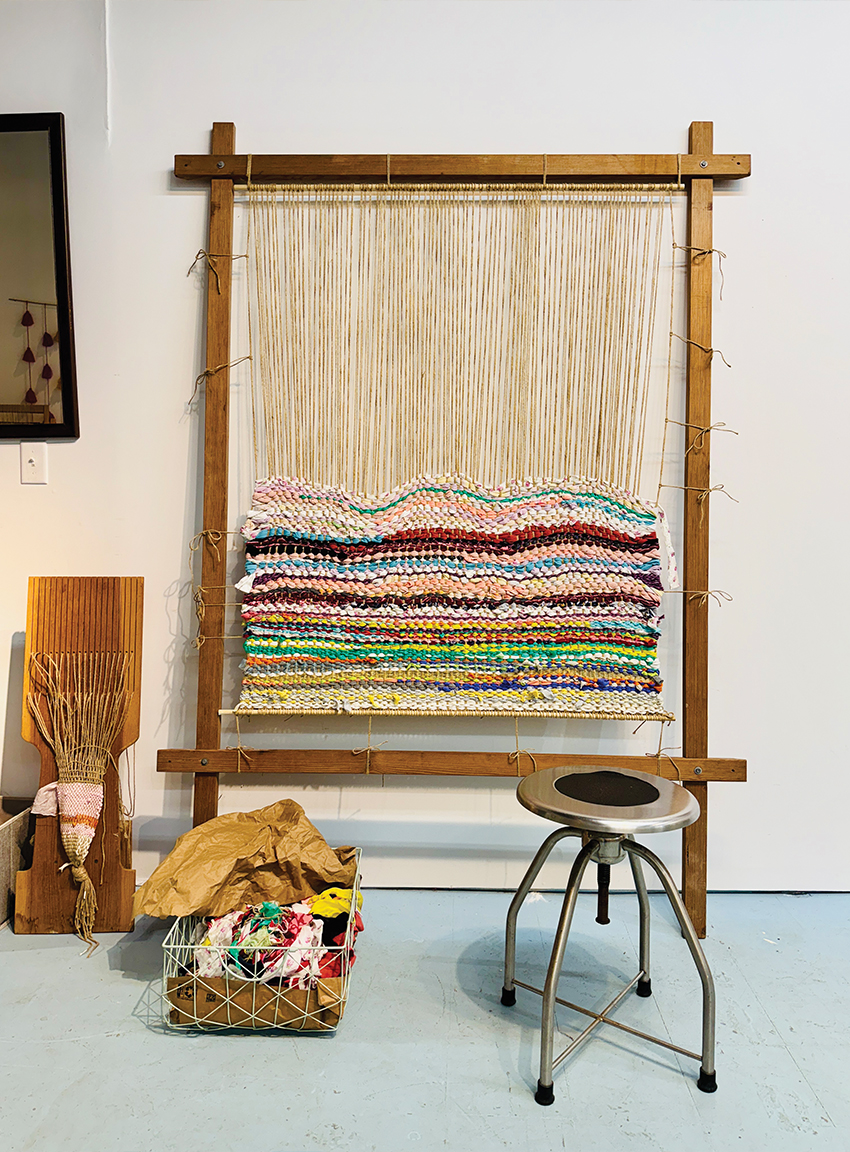
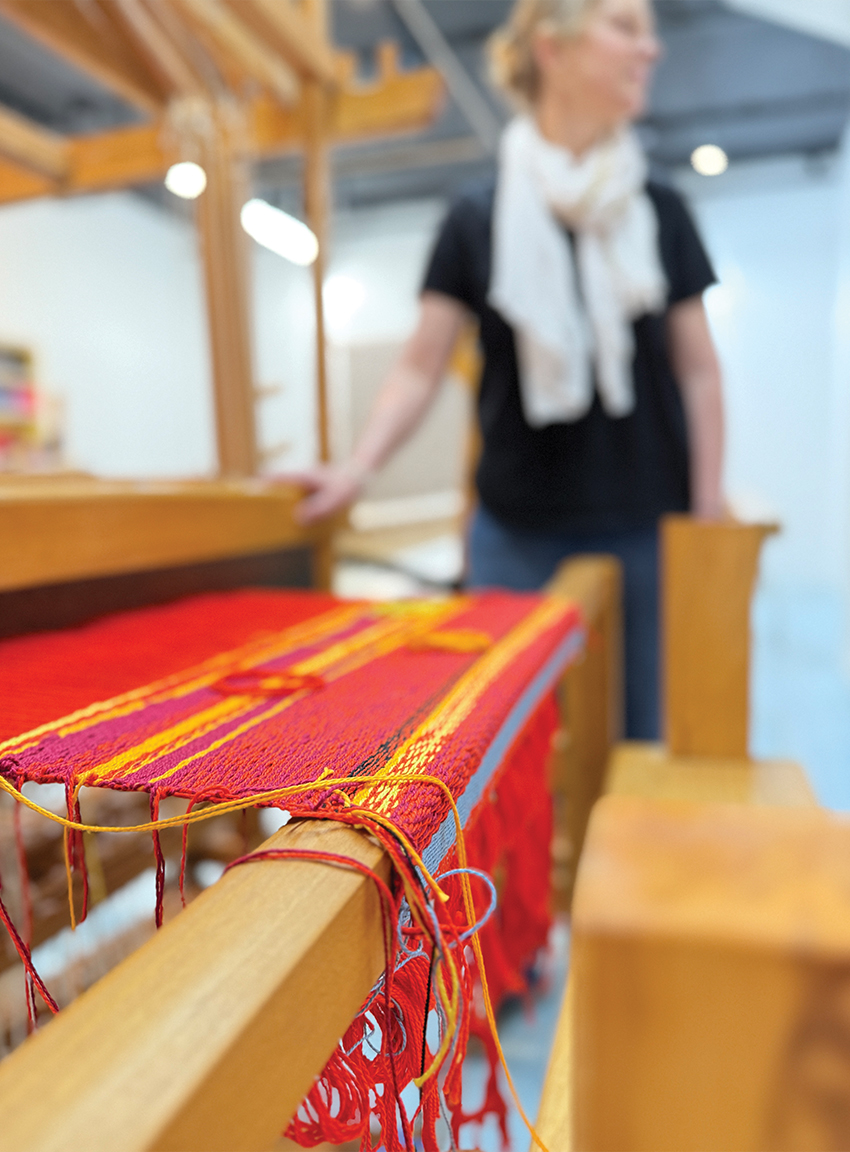
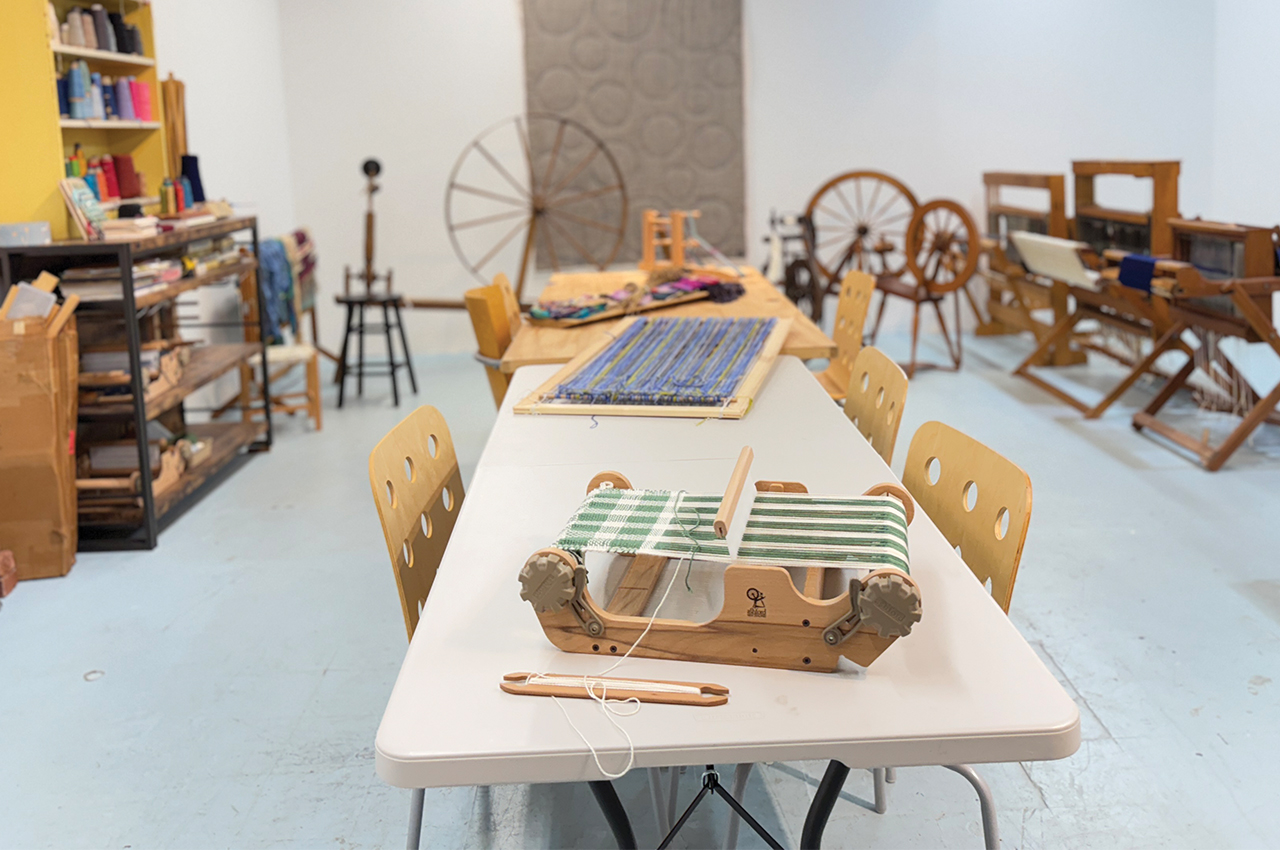
Some of the same appreciation for nature and lessons in patience are gained through the other art taught at the studio: weaving (and soon, ceramics). Chelsea Danburg, the weaving instructor who is a graduate of Rhode Island School of Design, teaches students to work the looms, some of which are antiques. Before any actual weaving takes place, the set-up process of winding the warp board and threading it takes weeks, she explains, a counter to current times when everything is instant. “Let me issue a disclaimer,” she says with a laugh, “this does take time,” noting it’s part of her job to manage expectations. Students can use the spinning wheel on the premises to create their own yarn and thread. One 13-year-old student gathered clothes that no longer fit and repurposed them into material to weave into a rag rug.
The studio owns a portable loom that it brings to public places, such as the Greenwich Library and the Stamford Art and Nature Center, to give people a chance to try it. Danburg calls weaving a “rhythmic, tactile” process. “Your loom bench is a place to come home to,” she says. “Crafts used to be a way to connect with others, like with old-fashioned quilting bees.”
While students are relating and learning, they are also developing mental fortitude that’s needed to complete a grand project such as the sloop that young Kit has been building over the past two years. “Failure is a huge part of it and overcoming that and moving forward from having things not turn out the way you expected,” Andreas says, adding that it’s important to stay away from perfectionism and focus on creativity. Another huge benefit of woodworking and hand crafts is stress relief. “Spending time with a beautiful piece of wood and working it, that time doesn’t go fast but it is healing,” he says. “We’re not a self-help place, but many people have told me how this is cheaper than therapy and it serves a purpose.”