







Understanding your risk, asking the right questions and becoming an informed advocate can make all the difference.
Dr. Elisa Port is reshaping the conversation around breast cancer, sharing what she’s learned over the last two and a half decades about navigating breast health in her newly released book, The Breast Advice.
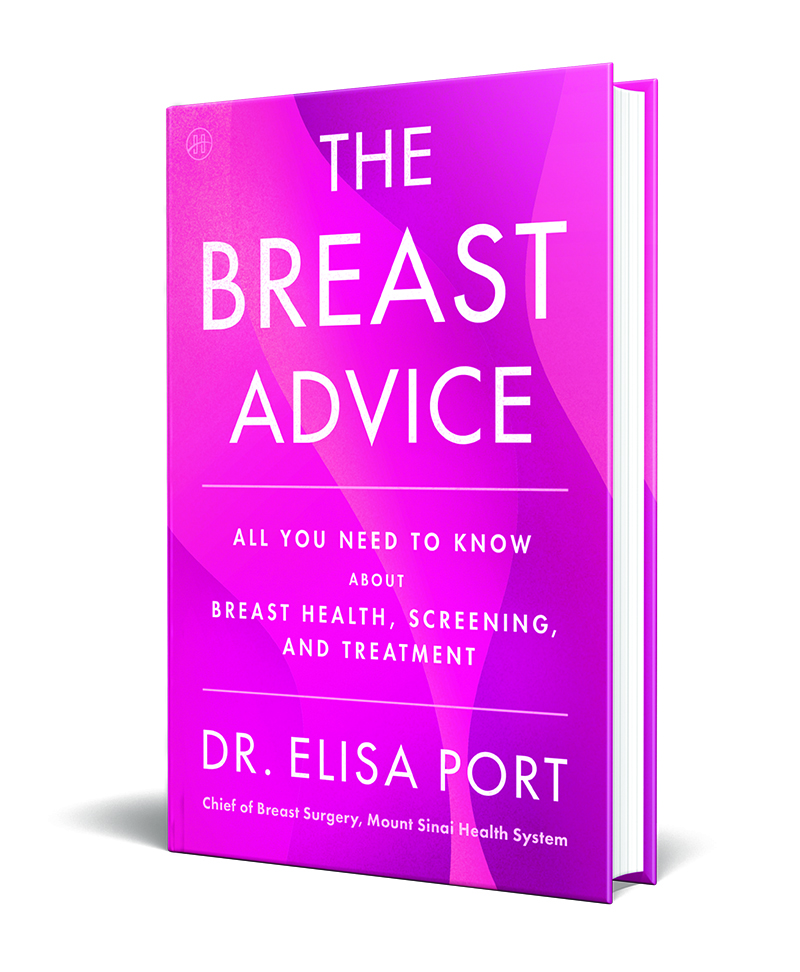
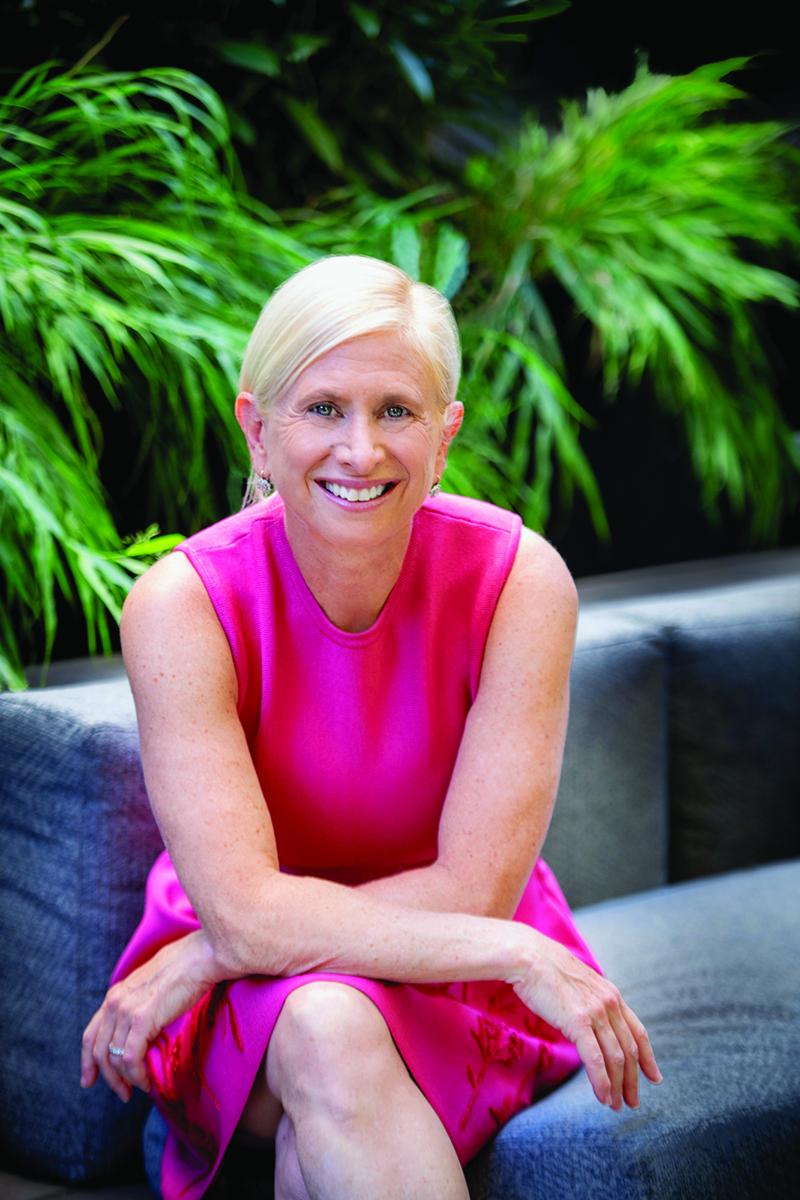
Breast cancer is the most common cancer among women in the United States, so when faced with a new diagnosis, it’s natural to compare experiences with others who have traveled a seemingly similar road. But “no two cancers are ever identical,” says Dr. Port, Chief of Breast Surgery at Mount Sinai Health System and member of the Medical Advisory Board of the Breast Cancer Alliance in Greenwich. “I have so many women sit down in my office and tell me that they were referred by a friend or family member whom I took care of that ‘had the exact same thing,’” says Dr. Port. “But there’s no one-size-fits-all approach when it comes to cancer and there is so much personalization involved in treatment,” she adds. “Factors like disease stage, genetic mutations, age and lifestyle make every diagnosis unique,” Dr. Port adds. The Breast Advice combines more than 25 years of surgical experience with a much-needed roadmap for navigating a landscape flooded with conflicting information and anxiety, as well as real-world insights from patients. “I’ve learned so much along the way from my patients. The choices they make are so personal and the decision to have a lumpectomy versus a mastectomy is so individualized,” says Dr. Port. “I always say that I am the expert in cancer, but you are the expert in you,” adds Dr. Port.
Misconceptions
In an era dominated by wellness trends, Dr. Port emphasizes that there are no quick fixes, miracle diets or magic immune boosters. “While whole foods are a wonderful foundation for a healthy diet, simply eating blueberries and broccoli will not lower your breast cancer risk,” explains Dr. Port. The only controllable factors that meaningfully reduce risk are consistent lifestyle habits—specifically, maintaining a healthy weight and minimizing or eliminating alcohol intake,” she adds.
Assessing Risk and Taking Control
The two main factors that impact a woman’s risk of developing breast cancer over her lifetime are family history and biopsy history. Knowing if cancer runs in the family, even on the father’s side, and whether there are certain genes that may have been passed down, helps with calculating hereditary risk. Having had biopsies that have revealed borderline cells also significantly elevates a patient’s baseline risk. Additional factors like the age a woman had her first child, not having had any children and breast density can also shift risk but only by a few percentage points. Understanding these factors can help cut through some of the anxiety and noise, allowing women to feel empowered rather than scared.
Dr. Port urges every woman to understand her personal risk profile by age 25. While online assessment models exist and are great tools, they can be confusing and lead to falsely inflated numbers. “I regularly see women who have been referred to me from other providers and labeled as ‘high-risk’ but when we re-evaluate their history together, the actual number is often much lower,” says Dr. Port. Self-advocacy is another crucial part of being proactive about women’s health. That means not only asking questions but also asking the right questions.
Some of Dr. Port’s suggestions include: “How do I know if I’m at an increased risk?” “Should I consider genetic testing?” and “What is the best screening protocol for my specific density and history?”
Screenings, Peace of Mind and Unexpected Results
Keeping up with screening guidelines can often feel like a moving target, but the current advice for average-risk women is annual mammograms starting at the age of 40. For women with a strong family history, the rule of thumb is to start screening 10 years before their youngest first-degree relative was diagnosed. Women with high-risk and dense breast tissue are often advised to use additional imaging like ultrasounds or MRIs. Arming yourself with knowledge can help women to move forward with more confidence and hope.
AI has become a useful tool in serving as a second reader analyzing mammogram results. In addition to catching abnormalities, the pattern recognition can help play a vital role in reducing false alarms and ordering unneeded biopsies. But even if a woman does need a biopsy, Dr. Port’s message is simple: “Don’t panic. Between
80 and 90 percent of callback results turn out to be completely normal. And even if a biopsy is required, the majority of results are benign. Don’t be afraid to get screened—be afraid not to.”
A Vision for the Future
In addition to her clinical practice, Dr. Port is helping to actively shape the future of breast cancer surgical care through her work with the Breast Cancer Alliance and training the next generation of surgeons. The organization works to improve quality of life and survival rates through early detection and treatment, while funding research and surgical fellowships and offering preventive screenings for underserved communities.
To learn more about the Breast Cancer Alliance or support their mission, visit breastcanceralliance.org. The Breast Advice is available at all major booksellers and Dr. Port strongly recommends it for all women—not just those who have been personally impacted by a breast cancer diagnosis.