




above: Students benefit from a range of programs, helping expand access, spark opportunity and empower every student to succeed—academically, personally and professionally.
While 30 to 50 percent of nonprofits become inactive or dissolve within 10 years, the Greenwich Alliance for Education has beaten the odds, celebrating its 20th year of advancing student success in Greenwich Public Schools.

Two decades ago, Nancy Kail, the organization’s founder and first board chair, was part of a group of residents concerned that the public school system was not meeting the needs of every student, particularly the roughly 20 percent who qualified for free or reduced-price lunch. “Education is the great equalizer, but a large group of students didn’t have access to what other children in the system were experiencing,” Kail says. The group also recognized that many nonprofits fail after only a few years. Determined to build an organization that would endure, they devoted countless hours to brainstorming, learning how successful nonprofits grow and seeking expertise where they lacked experience.
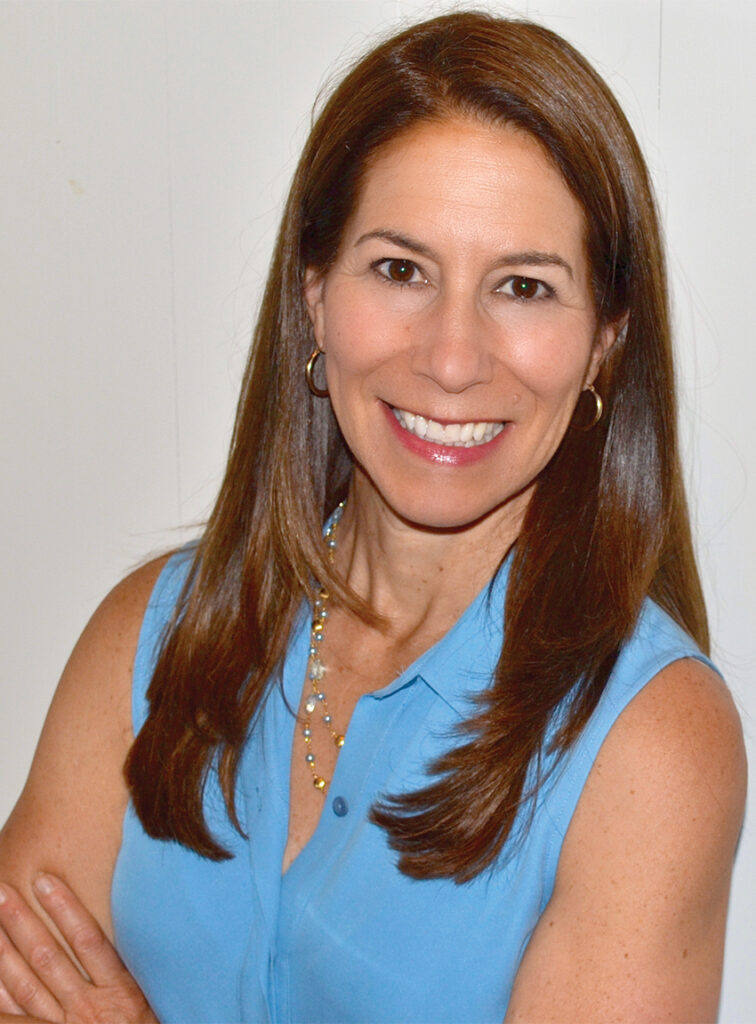
Today, Kail describes herself as a proud grandmother watching the organization evolve into a vital part of the Greenwich community, touching the lives of students across the district.
Julie Faryniarz, the Alliance’s executive director, points to a range of programs that have become essential to student achievement.
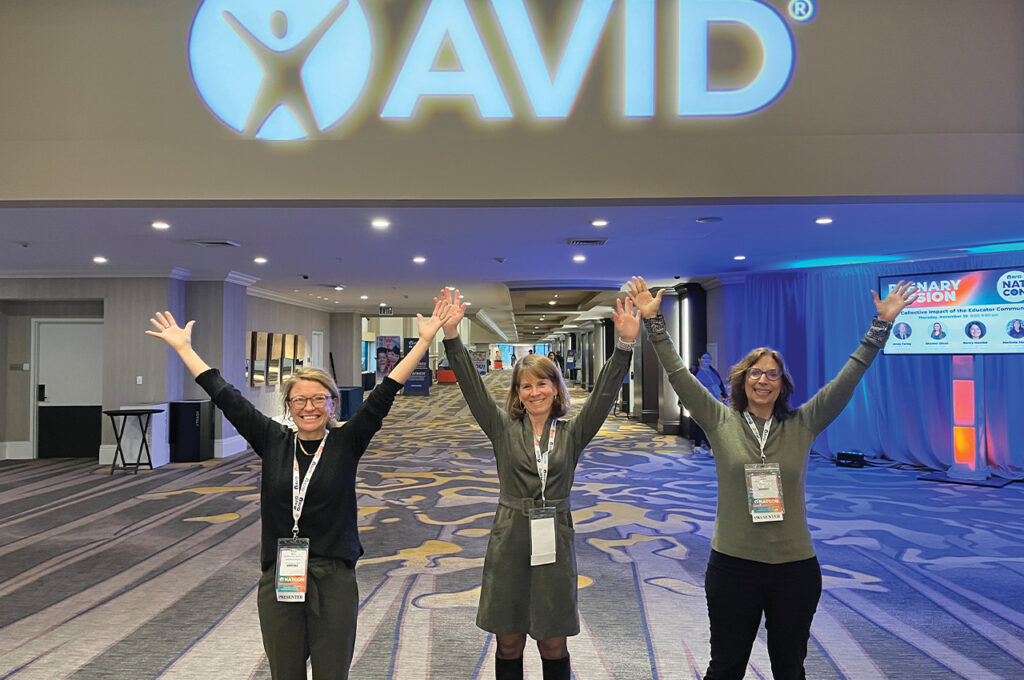
Then there is AVID, the Alliance’s largest and best-known program. It began in 2008 when a group of teachers received a $42,170 Reaching Out Grant to launch the national Advancement Via Individual Determination (AVID) program in Greenwich.
Now fully integrated into the school system, AVID provides a rigorous college-preparatory curriculum. The program launched at Greenwich High School in 2009, then expanded to Central Middle School in 2013, Western Middle School in 2015 and, most recently, Hamilton Avenue School.
Faryniarz notes that AVID’s impact extends far beyond participating students. Teachers throughout the district use instructional strategies learned through AVID professional development in classrooms across the school system.
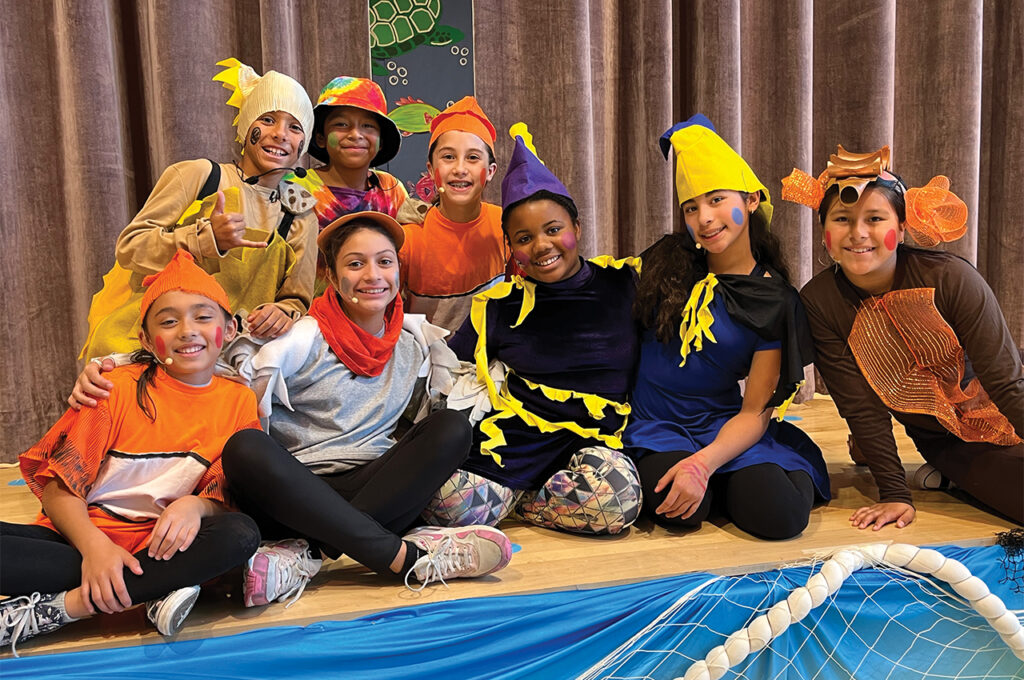
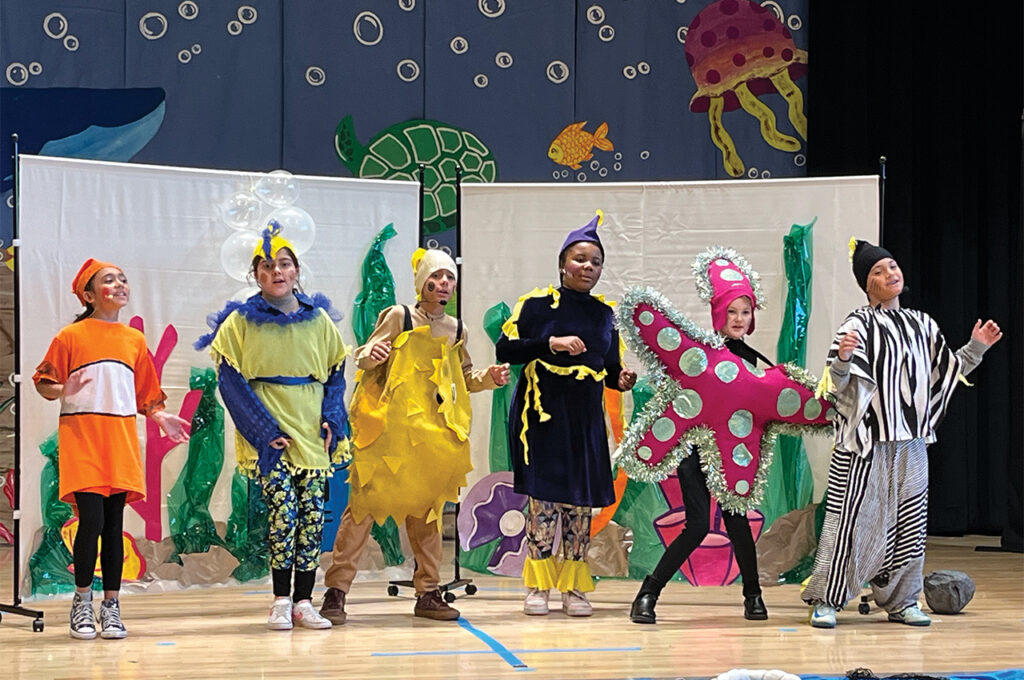
Onstage and off, theater students at New Lebanon and Julian Curtiss schools are finding their voices, building confidence and discovering the power of performance.
In 2024, the Alliance launched AVID’s Transition to College (T2C) program for first-generation college students. Developed by the Alliance, T2C includes a two-week summer workshop, peer mentoring, alumni networking, paid internships during students’ first year of college, Spanish-language parent workshops and access to bilingual resources. The goal is to help students enter college on more equal footing with peers whose families have already navigated higher education.
Nicole Chaudhri, the Alliance’s current board chair, says AVID first drew her to the organization.
“Many families get through eighth grade, and depending on where they live, have no idea that Greenwich is so diverse,” she says. “And then there is the other side of the Alliance, funding innovation and serving as an incubator for ideas, which I feel is critical. I am a believer that everyone benefits from lifting everyone up.”
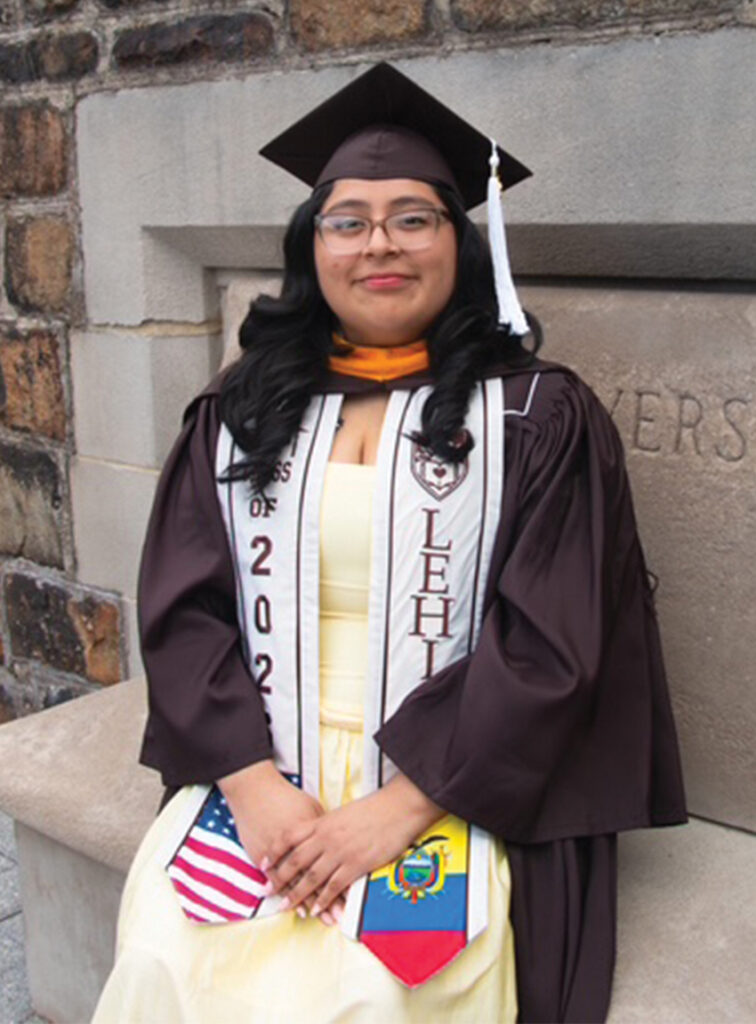
Domna Dali, a member of Greenwich’s first AVID graduating class in 2016, attended the University of Colorado Boulder on an AVID scholarship. Today, she serves as director of solutions engineering and an AI expert at a data company, volunteers with AVID and recently joined the Alliance’s board of directors. “Not being able to afford college is not a reflection of character, potential or ambition” Dali says, adding that her AVID teachers always believed in her while providing the skills and structure she needed to thrive. “I had drive. I had ambition. I had a plan. But I didn’t have the financial path to college. I made a promise to myself when I was 18 that money was not going to be the reason I didn’t follow my dreams. Transitioning to adult life is difficult, but it can be much easier if you have someone in your alley, supporting you in many ways.”
One of the Alliance’s greatest strengths has been its ability to retain leaders and supporters long after their formal roles have changed. Kail now serves on the Advisory Council, while former board chair Gia Burton remains an active board member.
Both believe that building a robust planned-giving program will be critical to the organization’s future. “The baby boomers are getting older, and money will be passing hands,” says Kail. That part of development is key to the health of a nonprofit.”
Burton agrees, noting that the program needs continued development and broader awareness among potential donors.
That extends to the Alliance’s mission as a whole. Organization leaders emphasize that their work benefits not only families within the public school system but the entire community, since strong public schools are fundamental to Greenwich’s long-term vitality.
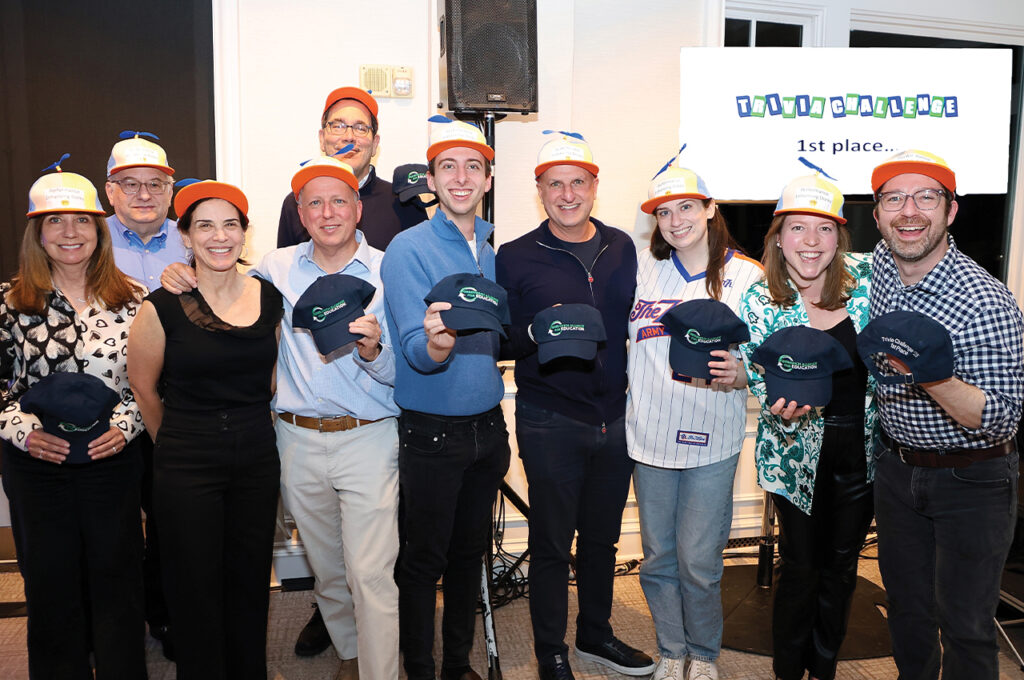
Faryniarz points to two annual fundraisers—the Turkey Trot in November and the Trivia Challenge in February—as enjoyable ways for residents to learn more about the Alliance’s impact.
Burton hopes the 20th anniversary will help more people understand what Alliance staff and volunteers witness every day. “Teachers pouring their hearts into ideas and programs that make a real difference. Students discover things in themselves they didn’t know were there. That is the joy we talk about as a core value at the Greenwich Alliance for Education, and it is very real.”
“I hope this year becomes a moment of genuine awareness of what the Alliance has contributed over twenty years, and of where we are headed. We want to grow our grants program, expand our scholarships and launch new pathways for students whose future does not follow a traditional route,” she adds. “My biggest hope is that people leave this year not just knowing our past, but genuinely excited about what we are going to do for the next generation of Greenwich students.”
BEYOND THE CLASSROOM
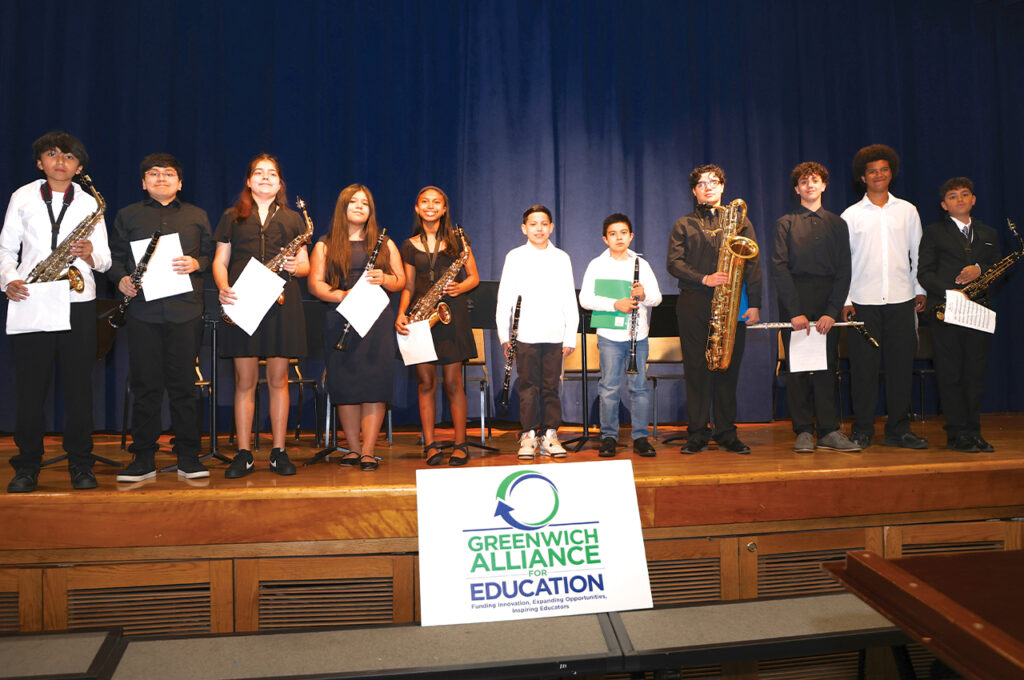
1 Tuning in to Music provides private lessons to students receiving free or reduced-price lunch and funds master classes with professional musicians.
2 Reaching Out Grants support educators who want to enhance existing programs or launch new initiatives that enrich students’ educational experiences. Successful pilot programs often become part of future school budgets. Grant funding has supported academic achievement, arts education, college and career readiness, health and wellness, professional development and STEM initiatives.
3 The Washington, D.C., Trip Scholarship Fund ensures that every eighth grader can participate in the annual class trip, regardless of financial circumstances.
4 Theater Arts at New Lebanon and Julian Curtiss schools allows students to explore their passion for theater while building confidence and strengthening communication skills. Programs include fifth-grade productions, theater clubs, live theater experiences and Declamation Contests, in which students memorize and deliver speeches before a panel of judges—without a microphone. “The theater arts program offers opportunities that are transformative,” says Carol Pugliano-Martin, a teacher at New Lebanon School. She has seen shy students, children with special needs and those lacking confidence become stars onstage, often bringing audience members—and teachers—to tears. “Many students tell us that they didn’t think they could do it, that they were really afraid, but at the end, felt really good about themselves. This year, the program is expanding through a collaboration between New Lebanon and Western Middle School. Elementary students will write original plays, while middle school students will perform them.
GET INVOLVED, MAKE AN IMPACT
Julie Faryniarz, the Greenwich Alliance for Education’s executive director, says there are many ways to get involved with the nonprofit.
1 Become a committee member or attend a fundraising event, such as the Turkey Trot or Trivia Challenge.
2 Individuals who have skills in communications and marketing, fundraising, grant writing, strategic planning, data base and website management are always needed.
3 The AVID program needs:
• Mentors to meet one-on-one with AVID students on a flexible, regular basis beginning in 11th or 12th grade and continuing through college.
• Bench experts who work on an as-needed basis to answer students’ college and career questions, such as how to pursue a career in a specific field, learn about a college of interest or apply for a certain scholarship.
• Professionals to provide students with jobs and talk to students about their careers.
• Sponsors who provide financial support via scholarships and college savings account matches and meet with groups of students.
For more information, contact Trish Rohr at trish@greenwichalliance.org or visit greenwichalliance.org.