




above: Hamilton College Credit: Courtesy of Hamilton College
First things first: breathe. There are over 5,000 colleges and universities in the U.S. alone. Your kid will land at one. They’ll probably like it. If not, they can transfer—and in the process cultivate the grit that we all hear so much about. Not quite ready? The gap year—so popular overseas and gaining traction here—is an option.

Our goal is to help you be so informed and prepared that you and young Magnus or Eloise breathe like meditating yogis all the way through the application process. Okay, perhaps we are aiming high here, but what is a college admissions article without a little dreaming?
Some local college prep gurus are here to give you an overview of the current admissions landscape. Students also chimed in on mapping out the journey that is just right for you (and by “you,” we mean the applicant; remember, parents, this is, after all, their journey!).
Credit: Photo by Glenn Asakawa
College List, Curriculum, Early Decision
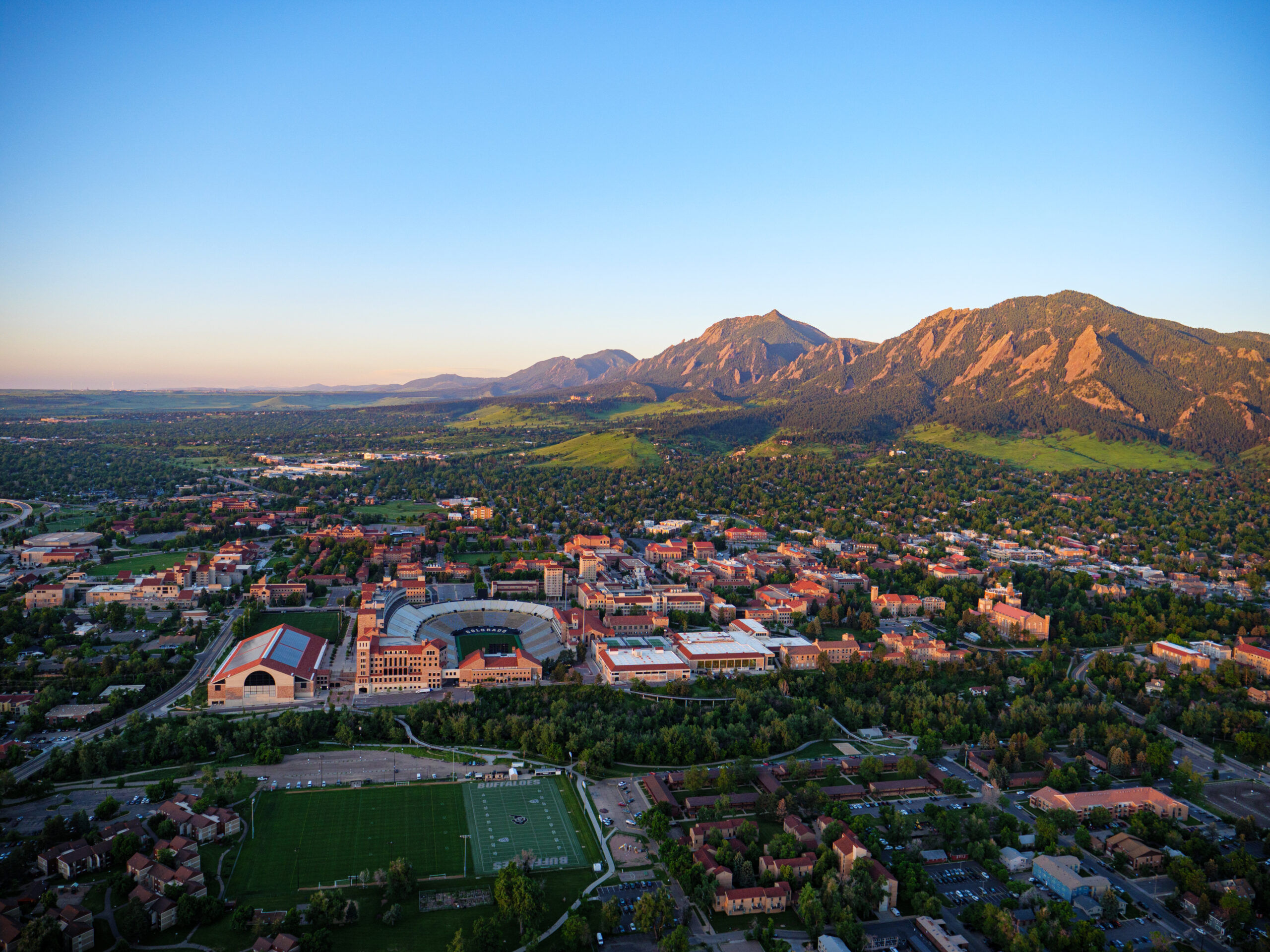
Kim Freudigman, at Freudigman & Billings (“F&B”) in Westport, has been accruing college admissions expertise for over 25 years. She has seen a lot of trends and what stands out now is students predominantly wanting “larger ‘brand’ universities.” Freudigman says, “Those universities have gotten so crazy competitive, even places like Boulder, certainly places like Wisconsin, never mind Michigan.”
Freudigman encourages families to consider the small, “great liberal arts colleges—the Hamiltons and Middleburys”—but finds most clamoring for big sports schools or city access, like they’ll find at Tulane, Vanderbilt or University of Miami. With so many qualified candidates causing a bottleneck in admissions, it’s especially important to consider whether a student’s high school curriculum is up to snuff for the program or major they are considering.
“The most popular majors like Business, Computer Science and Engineering at certain schools are harder to get into as a freshman admit. You need a certain curriculum to be competitive, especially coming out of areas like ours,” explains Freudigman. “It’s not like you can apply finance into a business school if you haven’t taken calculus, or pre-med if you haven’t taken AP Bio, or Computer Science if you haven’t taken AP Computer Science and have no related extracurriculars.” She adds, “Of course there are exceptions. Small liberal arts schools, like Colgate, they’re not judging kids by what major they want to do.”
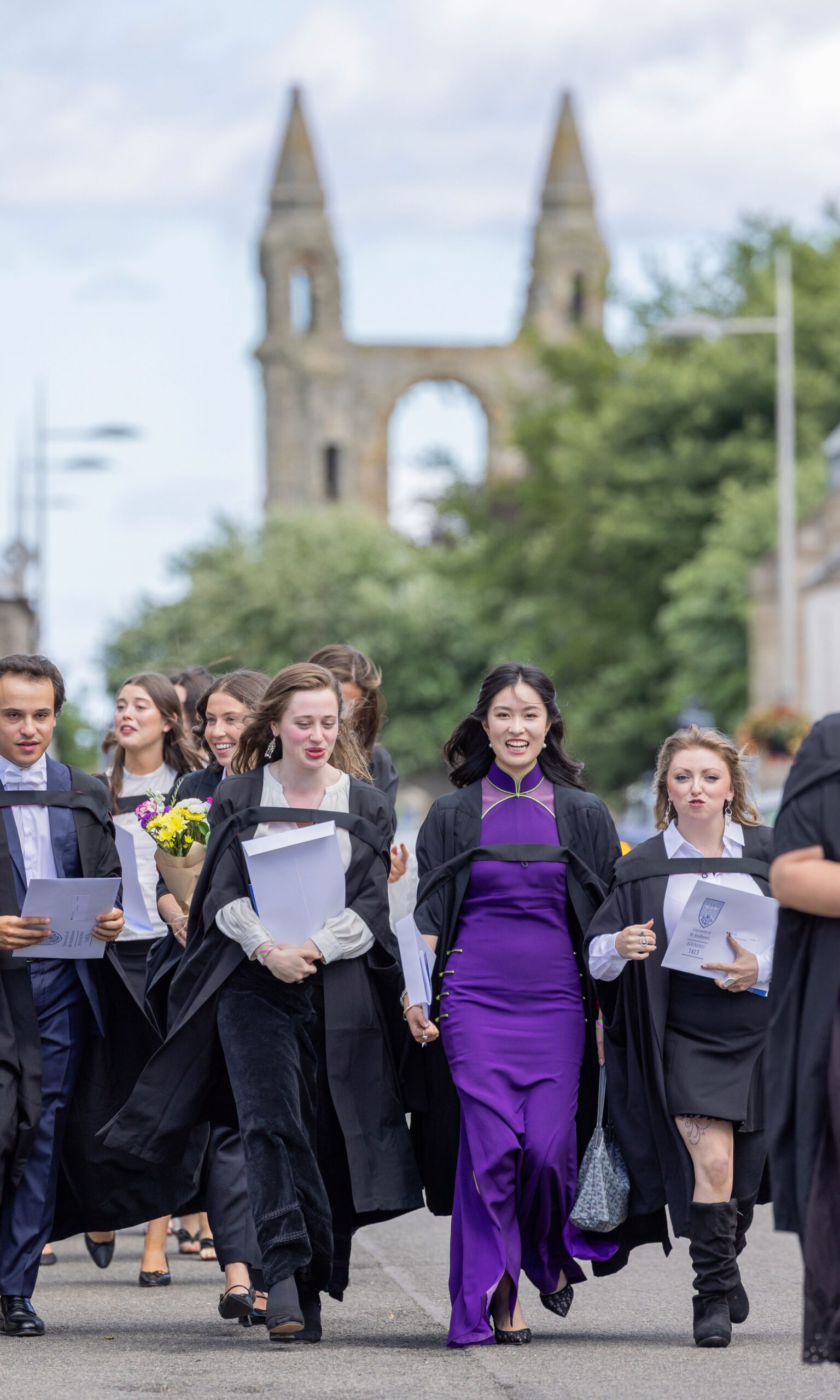
Students are also venturing overseas, where tuition is lower and the international experience is alluring. No doubt you’ve heard of someone heading to McGill in Canada or St. Andrews in Scotland. (Visit UCAS.com to explore university options in the U.K.) Stateside, Freudigman encourages families to look at William & Mary, Elon, Ohio State, University of Georgia, University of Tennessee and Auburn, to name a few great schools that aren’t landing on every kid’s list . . . yet.
Freudigman suggests sitting down with a college advisor, even just for one session, to assess if a student’s college list is balanced and makes sense with their curriculum. She advises a parent meeting as soon as eighth grade to get ahead of class registration, and then with the student, even if just annually, through high school to make sure they’re taking the right classes and engaged in the community. “The single biggest thing that people do wrong is they don’t get advice about kids’ course selection,” says Freudigman. She sees teacher recommendations being more of the determining factor for this in schools than college strategy. She also warns that AI won’t create realistic lists. “AI doesn’t know this area or who else is applying. If you are going to use it, use it to see what the graduation rates are, average salaries, what student happiness looks like.”
Freudigman notes a trend away from Early Decision, which is reducing the odds of nabbing a coveted spot at the in-demand colleges. “Kids will lean away from it because it’s like opening presents on their birthday,” says Freudigman. “They want to see what they’ll get. But really without early decisions, kids are not ending up with all the choices they want. There are very few ‘miracle’ or ‘lucky’ acceptances anymore, so this approach often leads to disappointment.”

Credit: Photo by TJ /University of Miami
How To Stand Out
Freudigman emphasizes a term that parents may remember from their youth: the well-rounded student. “Students need to focus on being well-rounded both in their curriculum and in their extracurriculars,” she says. “It’s important for students to follow their passions but not exclusively to obtain admissions to college. I think now colleges kind of roll their eyes at passion projects that appear to be curated by parents.”
David Browne, a Westport-based college advisor, founded his company, En*trance College and Career Advisory, in 2017. He puts a lot of thought into how students, especially those from our privileged area, can stand out in the applicant pool.
“People in admissions review an average of a thousand applications in each cycle. They spend six to eight minutes on each application,” explains Browne. “The way to break through is to emotionally appeal to them with the unique contributions you are likely to make to their community: on campus, in their extended city or regional environment and, ultimately, for the top 20 schools in the country, they’re thinking about national and world-stage impact. What is this kid going to do in the world? How are they going to put their ‘ripple in the universe,’ as Steve Jobs would say?”
Applicants from this area have a silver spoon in their mouth—or are perceived to—so “the bar is going to be even higher for you to demonstrate the probability that you are going to contribute in that way—and also play well in the sandbox with people from all over the world,” says Browne. With the end of affirmative action, colleges can’t consider race when looking for diversity so Browne says, “privilege, fancy zip codes and other signals of wealth and advantage are now more significant disadvantages than ever.”
Browne describes ideal applicants as “open-hearted, open-minded, other-centered teenagers.” Considering that teens are wired to be both self-centered and desperate to fit it, he understands the challenge of getting kids to lean into their individuality and to learn to self-promote. Browne suggest parents encourage their kids to “create healthy independence and forge a distinctive identity early.” He is a fan of camps that encourage empowerment, especially for girls, and fostering curiosity for boys, beyond their common obsession of sports.
Browne believes in letting ninth graders settle into high school before thinking about college. “What I do with ninth and tenth graders is get them exploring life and careers,” he says. “I try to get them thinking about what they’re curious about, what they care about in the world, what they’re angry about in the world, the things that piss them off in the world, and therefore the things they want to fix in the world. And I find that that’s incredibly fertile ground to engage young people.” The summers before junior and senior year, Browne views as “precious real-estate,” considering how over-scheduled students are during the year. “That’s the time to be making specific activities choices, building capabilities and demonstrating impact through your actions on those activities.” In his view, eleventh and twelfth grade are about “writing your best story” or really your “best emotionally stirring story” —and he doesn’t mean your essay, but the picture of who you are that will be conveyed by your application and transcript. (But essay tips are coming up!)
BFA applicants need to be prepared to stand out via their pre-screen videos, auditions or portfolios. For these students, the Common Application is usually necessary for admittance into the schools on their lists, but it is the artistic application to the program within the school, which is where the much of the work, effort and superhuman organizational skills must be applied. (From a mom who has overseen a musical theater, acting and fashion design applicant, let me just say: Buckle up!) With the odds of getting in a top musical theater program making Ivy Leagues look like a cinch, a list of twenty to thirty-plus schools is normal.
College Essays
Freudigman highly advises against over-polished essays. “Be yourself,” she stresses. “Don’t let adults over-edit your essay. Do not use AI, even for example essays. Stay positive in your themes and writing. Don’t push for a crazy idea. Genuinely tell a story—show them something about yourself.” She rarely sees “Hail Mary’s” anymore, where an essay can carry the day and propel a less-than-qualified student into a school.

While rumors swirl about college advisors writing essays for students, Freudigman responds, “We let our kids write their own essays, and then parents look at them and they’ll kind of stomp off because they wanted these really fancy, over-processed things. I don’t see that as what gets kids into colleges.”
Browne is seeing a shift away from the “Why Us” essays, due to AI. “Some schools have even fully dropped supplemental essays,” he says, “recognizing that authentic alignment and fit is something easily faked with AI.” He notes that letters of recommendation are going to matter more in our AI world and live interviews may make a comeback.
SATs and ACTs
The test-optional trend of recent years had many pupils giddy with relief. While the vast majority of colleges remain test optional or test free, some—especially large universities and elite colleges—are bringing back the requirement. “Many schools needed to bring back scores for a variety of reasons, including the sheer size of application pools,” says Freudigman. “I am encouraging students to return to working hard for their scores just in case they have schools on their lists that care about them.”

Browne comments, “Even the most progressive Ivies have reversed course since Covid. Brown, Yale and Dartmouth are now requiring standardized tests, with only Princeton and Columbia remaining test optional, and only for one more admissions cycle.” One tip Browne offers, which kids can get a jump on from any age, is reading books. “Your verbal SAT depends on it,” he says. So get off those phones, kiddos!
Tutor Me SOS, with offices in Stamford and Westport, offers private and semi-private test prep. Owner/Director Mona Mitri might not have seemed destined for this career as a kid. “I had ADHD and anxiety,” explains Mitri. “I was a student who struggled, and then I learned how to do really well in college. I needed information presented to me in a very clean, structured, organized way. If it’s not, I get overwhelmed.” This personal revelation helped her develop teaching methods that work, whether a student is a natural test taker or not.
“We have a system that is very structured,” she says, “so no matter the difficulty a student has, if they are willing, we can help them.” Students can commit to one lesson or packages that reduce the cost (ranging from $51 to $120 per hour). “If a student is aiming for a 35 or 36 on the ACT, on average students need 50 to 75 hours,” says Mitri, “but some need just 10.” A consultation and baseline testing are free.
Students Share What/Who Helped Most?
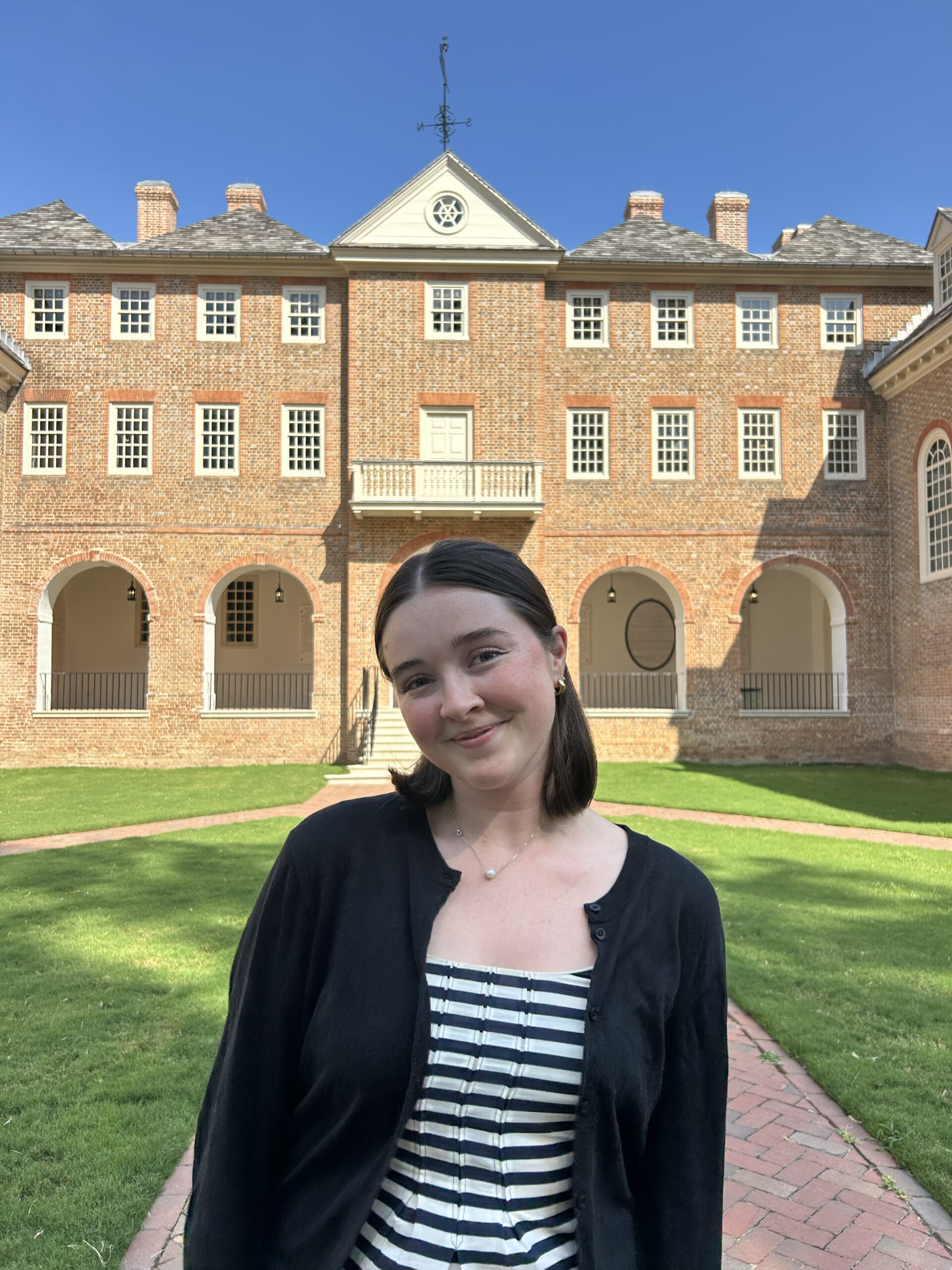
“Taking some time to look back on what I was involved in and reflecting on my passions. Looking at the big picture of your high school experience after the fact, your commitments often tell a better, more cohesive and more meaningful story of who you are and what you care about than you realize at first.”
—Adelia Purcell, William & Mary, Staples grad
Athletic Recruits:
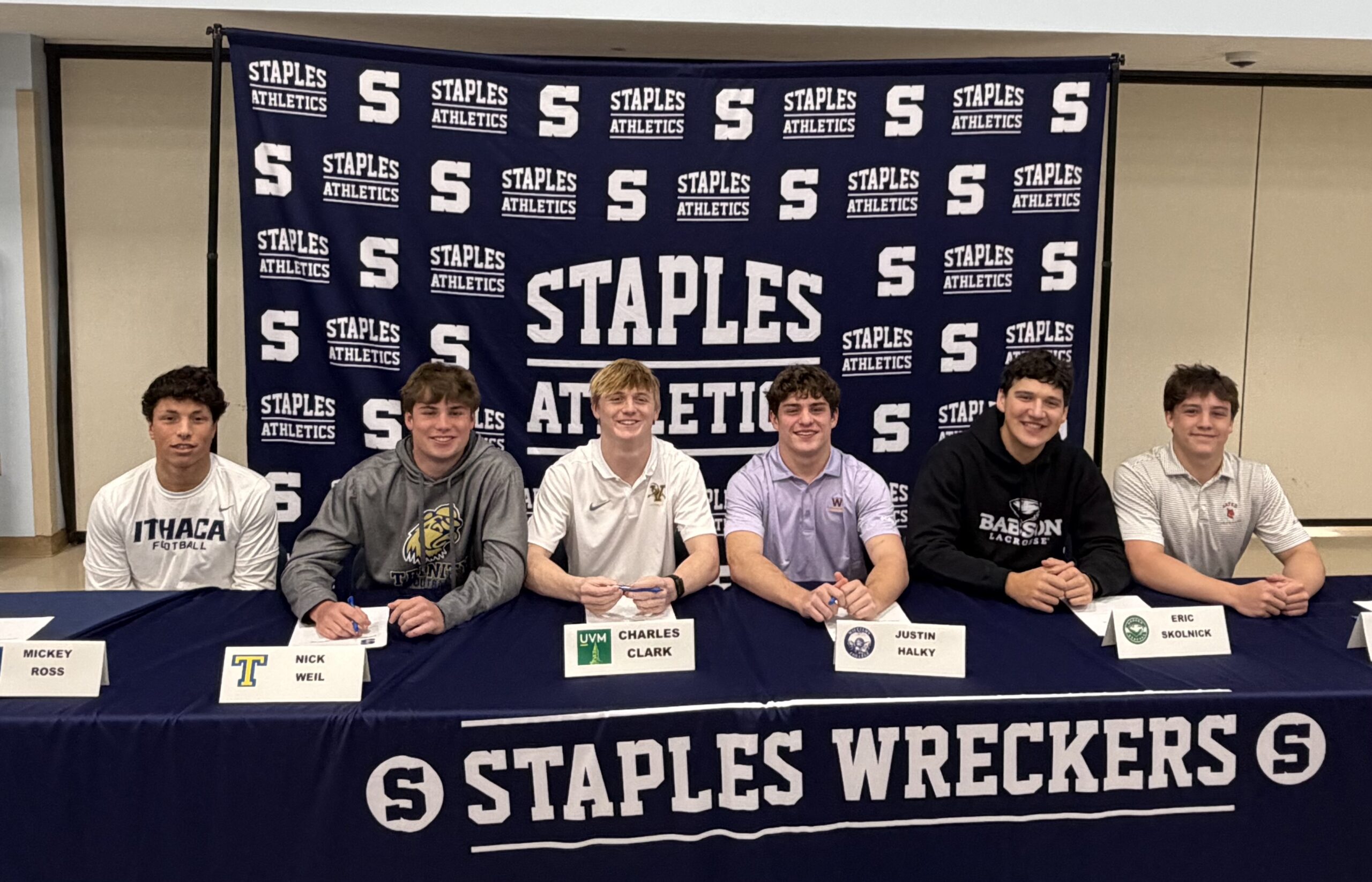
“Keeping my mind open. A lot of recruits get their mind set on one school or a few schools. Being patient and keeping my options open allowed me to truly consider every school that was interested in me.”
Perk: “By the time you are applying, you only have one application to send in. It’s a lot less stressful, because the work has already been done with your play throughout the years.”
—Justin Halky, Williams College, lacrosse, Staples grad
“Building strong, authentic relationships with teachers, administrators and coaches proved essential throughout the admissions process. Start early; relationships matter.”
—Rian Goertz, Connecticut College, soccer, Weston High School grad
“My high school guidance counselor. She was instrumental in helping me understand my options and formulate a plan to get me recruited.”
—Evelyn Chudowsky, Cornell, soccer, Staples grad
Wait List Success:
“Lissa Steele at Luminus Prep helped me a ton. My advice: Build a diverse list of schools. I applied to 20 schools and got into 12.”
Waitlist scoop: “I emailed Richmond, Miami and NYU each once during the waitlist period, with academic, extracurricular and interest related updates. I included that each school was a serious contender and that I would be thrilled to enroll. I got off UMiami’s waitlist April 13, Richmond’s April 29 and NYU’s May 15.”
—Charlie Lau, NYU, Business and Technology Management major, St. Luke’s grad
Gap Years:
“I knew I wanted a break between high school and college. I did conservation work in South Africa and then a customer service job here so I could travel to Europe. It was great to have the opportunity to work a job longer than just the summer and to experience the world. Traveling helped me feel more independent and made me more excited about heading to college.”
—Oscar Pollmann, Marist College, Staples grad

“The option of more time to figure out what was right for me felt right. I didn’t want to rush into anything that didn’t feel exciting. I hadn’t applied for the arts or to schools in the city and then realized that’s what I wanted. During my gap year, I took an acting class in the city and worked at a pre-school and two restaurants. In February I attended a Berridge arts program in France for three months; it was the best experience of my life. Triple Threat Academy in Westport helped me get signed, so I also started auditioning professionally.”
Samantha Edwards, Fordham, BFA Acting major, Staples grad